

Golf District co-CEO Kevin Kalner breaks down the StubHub-style tee time resale platform disrupting golf booking — prepaid rounds, weather guarantees, and a new "unsolicited offer" tool that lets golfers bid on sold-out tee times.

Kevin Kalner

46min


Golf has a perishability problem — no-shows, short shows, cancellations, and rain checks quietly bleed revenue from courses every single day. On this episode of Tech Caddie, host Mike Hendrix talks with Kevin Kalner, co-founder and co-CEO of Golf District, about how he and his team looked outside the golf industry — straight at the billion-dollar ticketing world — to fix it.
Kevin explains how Golf District applies a StubHub/SeatGeek-style secondary marketplace to tee times, but keeps everything B2B and fully white-labeled on the golf course's own website. Courses set the rules, keep the data, and split resale transaction fees with golfers who can no longer make their round — turning what used to be lost revenue into accretive income, with no cost to the course on the prepaid model.
The conversation covers how Golf District extends the typical seven-to-fourteen-day public booking window out to 60 days or even a full year, how its Group Bookings feature lets golfers reserve up to 16 players across back-to-back tee times in one prepaid checkout, and how a Sensible Weather integration is driving strong adoption of weather guarantees, especially in tourist markets like San Diego.
Kevin also gives an early look at Golf District's patent-pending "unsolicited offer" technology — a first-of-its-kind transaction that lets a golfer make a real-money offer on a tee time that isn't even listed for sale, with the course getting right of first refusal before any golfer is notified. It's a mechanic Kevin believes could bring true price discovery to golf for the first time.
Plus: how Golf District integrates with seven different tee sheet providers without competing against them, why the platform leans on modern checkout UX (Google, Apple, Facebook, and LinkedIn sign-in, plus Apple Pay and Google Pay), and what's next as the company eyes expansion beyond golf with sister platform Ticket District.
Guest: Kevin Kalner, Co-Founder & Co-CEO, Golf District
Host: Mike Hendrix, smbGOLF
Tell us about your course and we'll send the three vendors that fit, with the questions to ask each one.
Get my free shortlistTicket District — ticketdistrict.com (mentioned by Kevin Kalner at 33:17 as Golf District's sister platform expanding beyond golf)

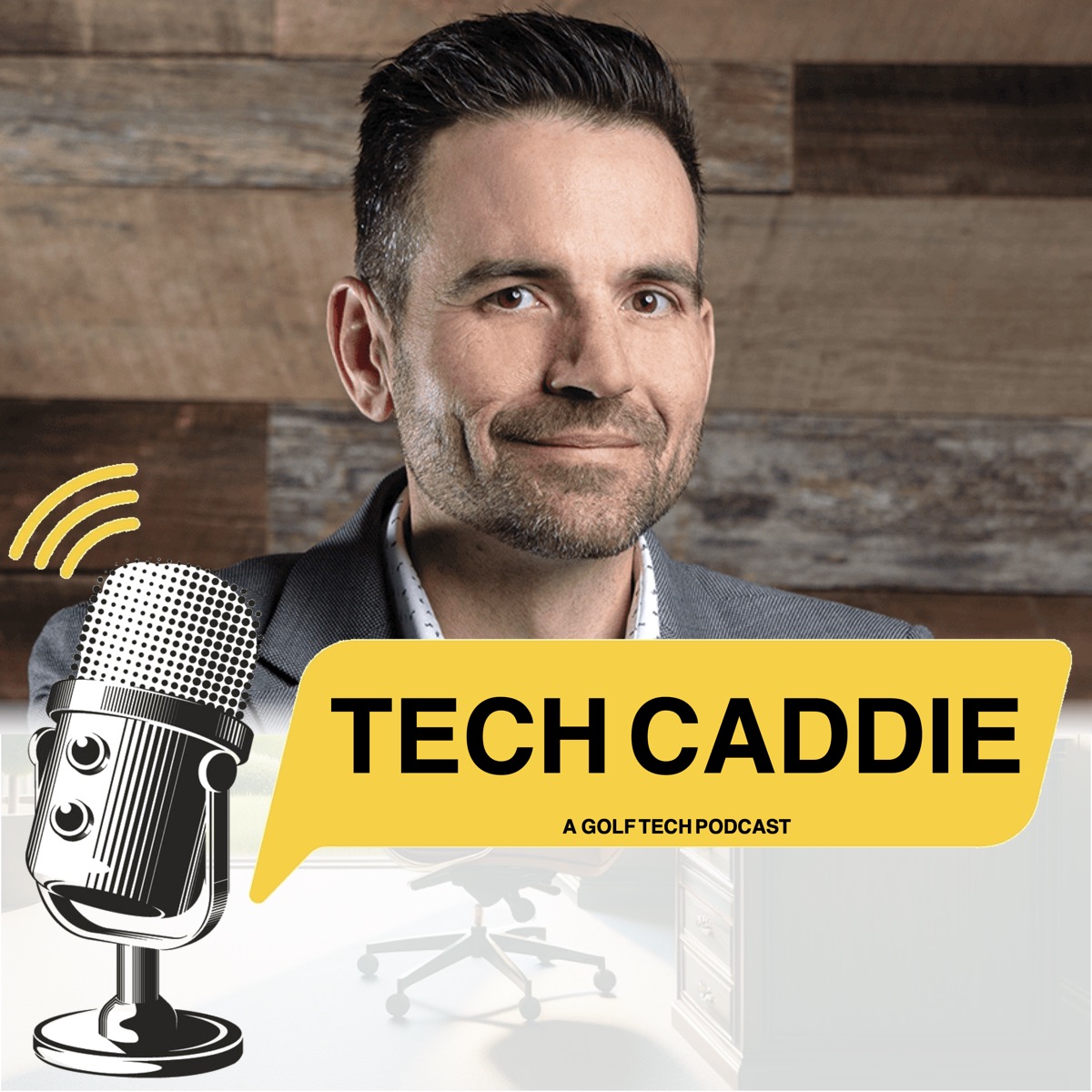
Metolius founder Ross Liggett — now VP of Data at Noteefy — joins Mike to unpack the acquisition, golfer data ownership, and where AI is taking tee time booking next.
Ross Liggett
51min
Golf District co-CEO Kevin Kalner breaks down the StubHub-style tee time resale platform disrupting golf booking — prepaid rounds, weather guarantees, and a new "unsolicited offer" tool that lets golfers bid on sold-out tee times.
Kevin Kalner
46min
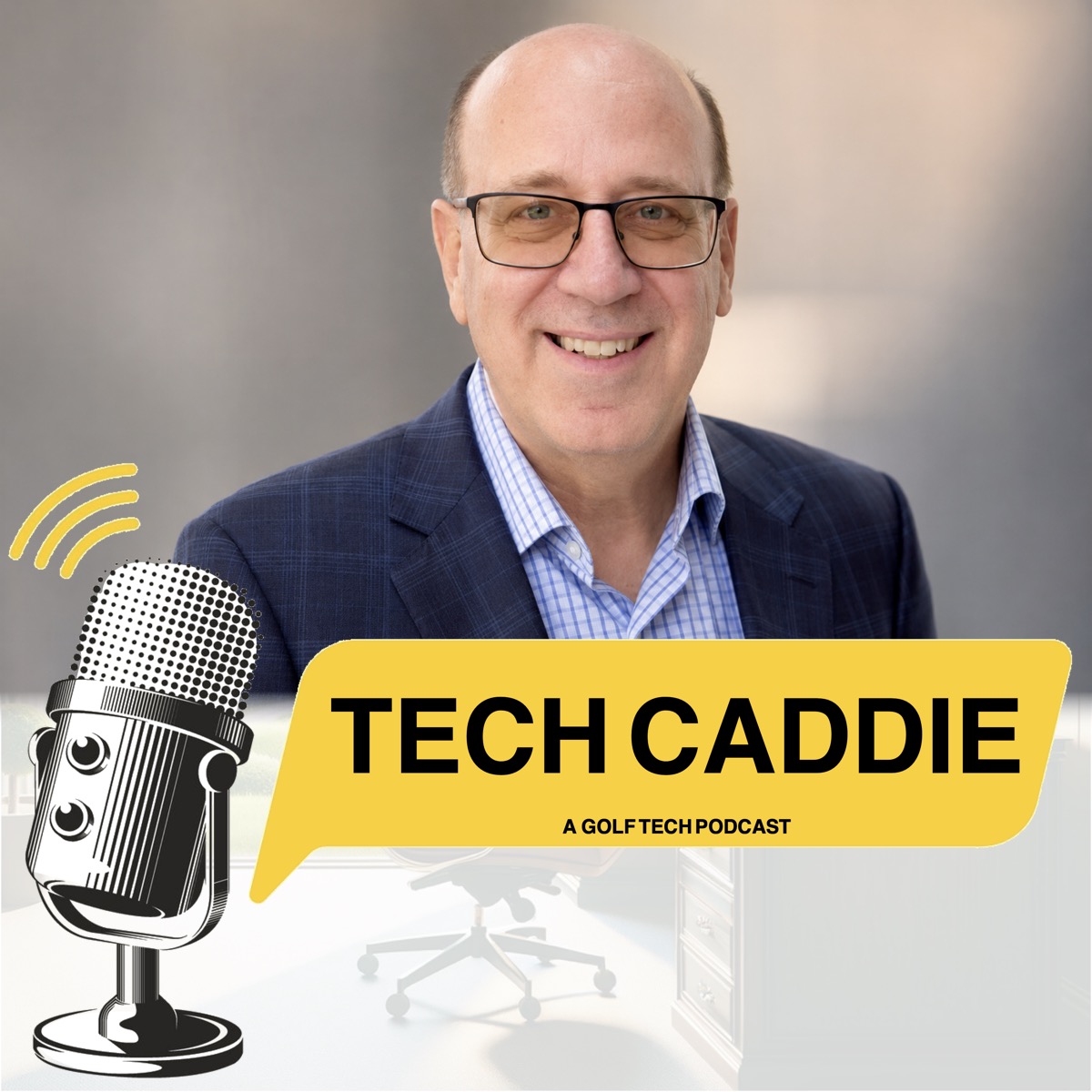
Jon Last joins Tech Caddie to unpack the NGCOA Business Pulse Report, the K‑shaped economy, and what current golf data says about pricing, technology, and golfer expectations.
Jon Last
53min

NGCOA CEO Jay Karen joins host Mike Hendrix to talk association challenges, membership growth, booking engine performance, dynamic pricing, and how AI can help golf course operators finally “measure what matters” in their tee time business.
Jay Karen
48min

Connor Van Gilder, whose background is in product design for complex enterprise solutions at companies like Zonos and Entrata, explains why he believes the digital tools surrounding golf—the tee sheet and point of sale (POS)—must be as thoughtfully designed as the golf course itself. Vn Gilder, founded Trutee Golf.
Connor Van Gilder
49min

In this episode of the Tech Caddie Podcast, Mike Hendrix welcomes Southern California Golf Hall of Famer John McNair, VP of Golf Operations for JC Resorts. With 26 years at the helm and a portfolio of 21 courses, John shares the "silver bullet" behind their 24,000-member affinity program and why controlling your own data is the ultimate competitive advantage.
John McNair
51min
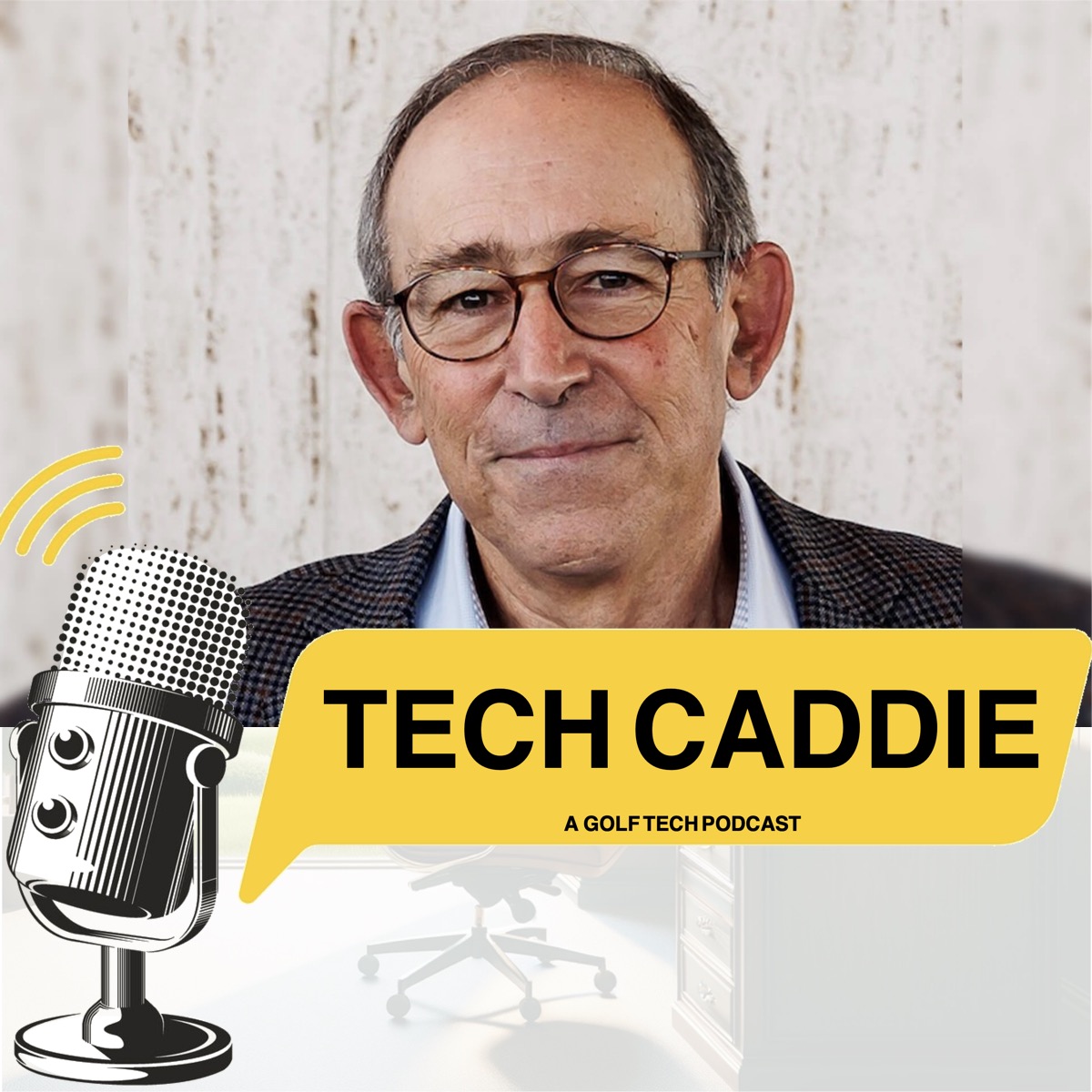
Tech Caddie sits down with Golf Genius founder Mike Zisman on building category-leading tournament tech—and what’s next: racquet sports and a possible liquidity recap.
Mike Zisman
1hr 2min

Primo Tee Times inside ChatGPT: live availability search, MCP explained, and what this means for golf course bookings.
Mike Dickoff & Jason Patronas
51min
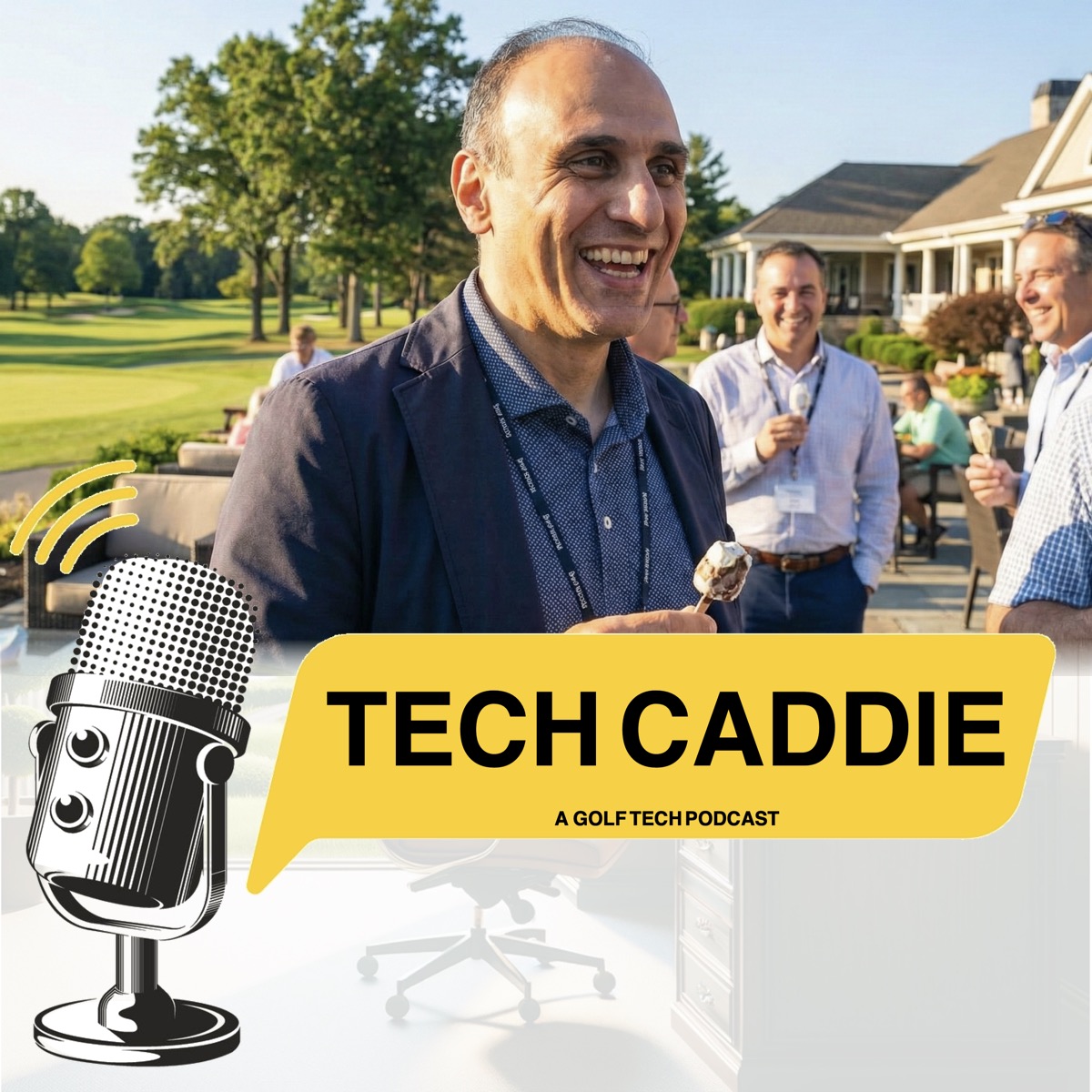
Vache Hagopian joins Tech Caddie to explain why Jonas Synergy was built, who it’s for, and how long-term service, integration, and strategy shape better club technology decisions.
Vache Hagopian
37min
In this Tech Caddie episode, host Mike Hendrix (Founder & President of smbGOLF) sits down with Rusty Grimm, Founder of Rustic Golf Properties, to unpack one of the more practical—and fast-moving—growth stories in golf operations today: how Rusty went from buying one golf course to building a portfolio of six properties in Wisconsin.
Rusty Grimm
49min

In this conversation, Frank Halpin, co-founder of GolfNow and CIO of Sagacity Golf, shares insights into his journey through the golf technology industry. He discusses the evolution of Golf Now, his transition into real estate, and the founding of Sagacity Golf, which focuses on integrating AI into golf operations. The conversation explores the future of AI in the golf industry, emphasizing the importance of technology in enhancing customer experiences and operational efficiency.
Frank Halpin
57min
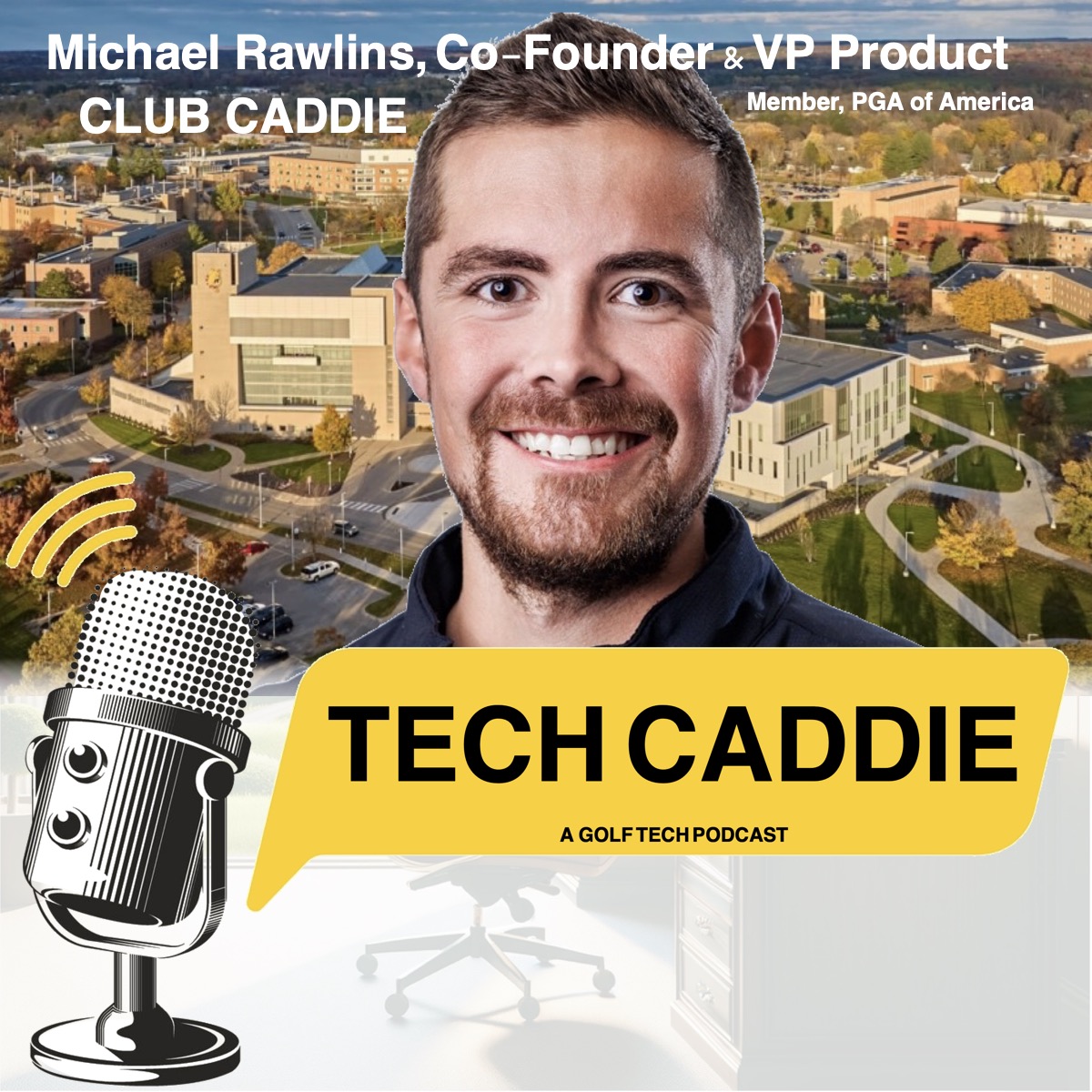
Michael Rawlins, Co-Founder and VP of Product at Club Caddie.Michael, a Class A PGA Member, shares the fascinating origin story of Club Caddie, from his early days as a PGM student at Ferris State to meeting CEO Jason Pearsall at Rackham Golf Course, leading to the co-founding of the company.
Michael Rawlins, PGA
49min

Mike Hendrix welcomes Bryan Lord, founder of Teesnap, one of the most disruptive forces in modern golf software. Bryan shares the full origin story: from the initial idea while at Purdue to securing major investment from Allegiant Airlines' Maury Gallagher.
Bryan Lord
57min

Mike Hendrix talks with David Clark, the founder of Easy Tee Golf. David shares how his product background at Capital One and Amazon shaped Easy Tee’s UX, why 50% of his customers are nine-hole courses, how Reserve with Google already drives ~13–14% of online bookings, why he shipped Waitlist before “squeeze times,” and what “default alive” meant for going all-in as a founder.
David Clark
52min
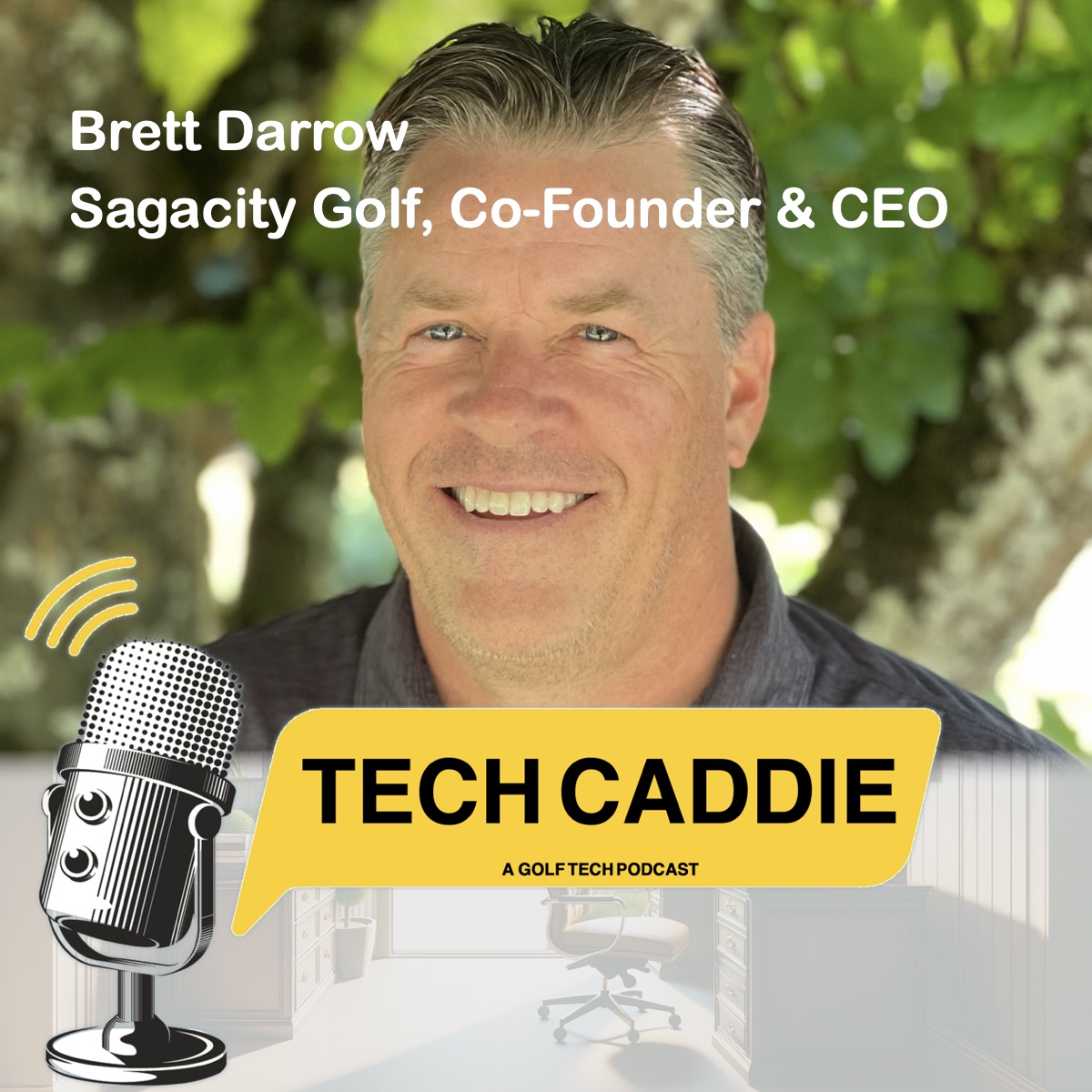
Mike Hendrix sits down with Brett Darrow, the visionary behind GolfNow and Sagacity Golf. Discover the untold stories of building and selling GolfNow, the challenges of innovation in golf tech, and the exciting future of Sagacity Golf's Yards app and advanced tee sheet solutions. A must-listen for golf entrepreneurs and industry enthusiasts.
Brett Darrow
60min

Can your golfers give feedback during the round? Real Time Feedback lets them text the shop in real time—no phone calls, no drama. Great for F&B, pace of play, and 5-star reviews. Hear how it works on the latest Tech Caddie podcast. 🎧 #golftech #golfbiz
Mike Terrell
45min

Zack Enriquez of Par 6 Media joins Tech Caddie to share how golf courses can show up in ChatGPT and Google Spotlight by improving their photos, metadata, reviews, and local listings to drive real bookings in the AI era.
Zack Enriquez
45min

Fraser Marriott, Head of Golf at Lightspeed Commerce, for a rare in-depth conversation about Lightspeed Golf’s growth, strategy, and vision. Fraser shares how a startup mindset still drives their team, why customer support is central to their success, and what’s coming next on their roadmap—including their Reserve with Google integration and plans to support both public and private clubs.
Fraser
46min

In this episode of the Tech Caddie podcast, Mike Hendrix is joined by golf industry veteran James Cronk—consultant, speaker, and co-founder of Golf Industry Guru. Together, they dive deep into one of the most overlooked areas of golf operations: e-waivers and risk management.
James Cronk
50min

Paul Sampliner shares his journey from growing up across the street from Highland Park Golf Course in Cleveland, to becoming a PGA golf professional, and eventually pioneering some of the earliest golf call centers and online tee time booking models while working for Marriott, Hilton, and later GolfNow.
Paul Sampliner
52min

2 Googlers join Mike for an honest conversation about when and why Google became interested in adding tee times to their results. They discussed the impact on golf courses not using an approved tee sheet, why some golf courses have more than one booking vendor available through search results and how long it takes for tee sheet and aggregator vendors to enable the Google integration.
Kathleen Oshima & Adam Jaffe
53min

In this episode of the Tech Caddie podcast, Mike Hendrix interviews Jake Gordon, co-founder and CEO of Noteefy, a company focused on demand technology for golf courses. They discuss the challenges faced by golf operators, particularly the issue of no-shows and cancellations, which lead to significant revenue loss.
Jake Gordon
55min

Nick Anderson joined the Tech Caddie podcast to share his impressions of the 2025 PGA Show and provide updates about his tee sheet and point of sale platform, MemberSports.
Nick Anderson
49min

In this episode of the Tech Caddie podcast, host Mike Hendrix chats with Martin Ort from Desert Canyon Golf Club about how his family-run course has embraced technology to stay ahead. From video game design to managing one of Arizona’s most tech-forward golf courses, Martin shares his unique journey.
Martin Ort
41min

In this episode of the Tech Caddie Podcast, host Mike Hendrix dives into the transformative power of golf course data with Bodo Sieber and Craig Kleu, Co-Founders of Tagmarshal. Learn how Tagmarshal is helping courses optimize pace of play, improve golfer experience, and boost revenue by capitalizing on dynamic pricing opportunities and expanded tee time inventory.
Bodo Sieber & Craig Kleu
42min

In this episode of the Tech Caddie podcast, Mike Hendrix interviews Jason Wilson, founder of Gallus, a company that provides mobile app solutions for the golf industry. They discuss the evolution of Gallus, the importance of mobile apps for golf course operators, and the essential features that make an app valuable.
Jason Wilson
53min

In this episode of the Tech Caddie podcast, Mike Hendrix interviews Chad Wright from Deer Ridge Golf Club about their recent technology transition from ForeUP to Sagacity and Toast. They discuss the challenges faced with ForeUP, the benefits of the new systems, and how they integrate operations for a better customer experience.
Chad Wright
50min

Watch as Mike and Chad explore the booking experience when using Lightspeed Golf in a desktop environment. Chad provides a pro tip in using Golf EMS to simply his events and golf packages operation and learn why Chad opted to leave foreUP and Sagacity Golf in favor of Lightspeed.
Chad Pettingill
40min

In this episode of the Tech Caddie podcast, Mike Hendrix interviews Jonathan Wride and Jarrette Schule from TenFore Golf. They discuss the origin story of TenFore, the challenges faced in developing golf management software, and the importance of user experience. Jonathan opens up about how he co-founded Supreme Golf with Ryan Ewers and the journey that led to Jonathan leaving Supreme Golf to help Jarrette build TenFore Golf.
Jonathan Wride
1hr 10min

In this episode you'll meet Jay Snider who built a simple tee sheet and email tool for his country club, to help keep dues down. Today, Proshop Tee Times has become a robust point-of-sale, tee sheet, member management solution for a wide variety of golf courses.
Jay Snider
52min

In this episode of the Tech Caddie podcast, Mike Hendrix interviews Rob Smyth from Cobalt Software, discussing his journey in the golf technology industry, the evolution of Smyth Systems, and the impact of family-owned businesses on company culture.
Robb Smyth
1hr 11min

CourseRev is a voice reservation system for golf courses that uses AI technology to handle tee time bookings over the phone. The system can integrate with tee sheet systems like Lightspeed and Club Prophet, allowing golfers to make reservations, join waitlists, and receive directions to the golf course. The system has surpassed online reservations in terms of volume and has handled more than 75-80 calls per day for a course. CourseRev is a game changer in terms of labor costs and customer experience.
Manna Justin
52min

Colin Read, co-founder of Whoosh, discusses his background in golf and entrepreneurship, as well as the challenges and opportunities in the golf tech industry. He emphasizes the importance of improving member and guest experiences, as well as staff workflows, through technology.
Colin Read
48min

Mike Hendrix interviews Scott Mingay from the USGA. They discuss the development of the GS3, a golf ball that measures green speed, smoothness, and firmness. The GS3 is used by golf course operators and superintendents to improve the playing experience and make data-driven decisions about maintenance practices. The conversation focused on the GS3 ball and the Deacon course management system. The Deacon platform is a cloud-based system that integrates data from various sources to help golf course superintendents make informed decisions.
Scott Mingay
58min

Menno Liebregts, founder of Golfspot, discusses the challenges of managing customer data in the golf industry and the need for an integrated solution. He shares insights on the company's journey, customer base, funding, and expansion plans. The conversation highlights the importance of open platforms and the impact of data on decision-making in the golf industry.
Menno Liebregts
37min

Jason Pearsall, the founder of Club Caddie, shares his journey of building the company and the importance of understanding the day-to-day operations of a golf course. Jason has the unique perspective as a golf course owner as he purchased Warren Valley Golf Course in 2022. Club Caddie started as a food and beverage delivery system called Golfler, but quickly evolved into a full clubhouse management software. Pearsall's experience as a golf course owner and operator have allowed him to build a product that solves real problems for golf course operators. The company has experienced significant growth and success, winning deals with management companies and continuously improving their product.
Jason Pearsall
1hr 11min

Kevin Fitzgerald, Assistant Director of Public Affairs for the Southern California Golf Association, provides an update on recent meetings regarding the implementation of a pilot program for golf tee time bookings in Los Angeles. The Golf Advisory Committee and the Recreation and Park Board of Commissioners both endorsed the staff recommendation for a $10 non-refundable deposit per player when booking a tee time.
Kevin Fitzgerald
34min

Jon Schultz, founder of ezLocator, discusses how their solution helps superintendents find the daily optimum hole location and enhances communication within a golf facility. ezLocator now include AI to improve the customer experience.
Jon Schultz
35min

In this episode of the Tech Caddie podcast, Mike Hendrix speaks with Kevin Fitzgerald, the Assistant Director of Public Affairs for the Southern California Golf Association, about the intersection of golf and public policy. Included is the TikTok video from Dave Fink which helped expose the gray market on the KaKao app, used by hundreds of golfers to score the best tee times available at the LA City municipal golf courses. Aaron Gleason from Golf Geek Software, discussed their solution called FairPlay Guardian, which uses machine learning to detect fraudulent activity in tee time bookings. Matt Holder from Loop Golf emphasized the need for operators to understand the pricing pressure and revenue management opportunities in the golf industry.
Kevin Fitzgerald, Aaron Gleason, Matt Holder
54min

Aaron Gleason discusses the issue of reselling tee times at LA City Golf courses and how Golf Geek's FairPlay Guardian technology can help detect and prevent fraudulent activity. He also spoke about the importance of knowing the conversion rate of a booking engine and how marketing automation can help increase revenue.
Aaron Gleason
29min

Mike Hendrix and Kevin Fitzgerald, the Assistant Director of Public Affairs for the Southern California Golf Association have a conversation about golf in Los Angeles. They discuss the role of the advisory board for Los Angeles City Golf Courses and the intersection of golf and public policy. They also peer into the issue of reservation systems and online brokers in the golf industry and specifically the City of Los Angeles.
Kevin Fitzgerald
43min

Matt Holder from Loop Golf joins the podcast to discuss Loop Golf. Matt talks about the early days for Loop and mistakes made along the way. Mike and Matt go into detail about tee time scraping and how Loop helps golf courses.
Matt Holder
29min

Don Rea joined Mike Hendrix on The Tech Caddie podcast for a conversation about the technology Don uses to run the golf course he owns in Mesa, AZ - Augusta Ranch Golf Club. Don is the VP of the PGA of America and he speaks about operating technology from that perspective and from his knowledge gained as a podcast host with Jay Karen, the Executive Director of the NGCOA.
Don Rea Jr.
48min

Del shares his background as an entrepreneur and his life in golf. He discusses the history of Seven Jars Distillery and the discovery of buried treasure on his family farm. Del talks about entering the golf business and the importance of technology in the industry. He shares his experiences with EZLinks and Fore Reservations, as well as the development of Kodology and Pitch CRM.
Del Ratcliffe
1hr 6min

Morgan Kimmins from Springfield Golf Resort in Chandler, Arizona discusses their use of Lightspeed technology and the impact it has had on their business. He highlights the benefits of Lightspeed's punch pass feature and the ease of use of their booking engine. He also discusses the importance of communication and the use of technology for frost delays. Morgan emphasizes the value of support and training provided by Lightspeed and the positive experience they have had with their customer service.
Mogan Kimmins
42min

Dave Vanslette, Founder and CEO from FAIRWAYiQ discusses the evolution of the company and its focus on data and automation in the golf industry. They have developed hardware sensors and software solutions to optimize golf course operations and enhance the player experience. They are focused on reducing friction and improving efficiency in the golf industry through AI and automation. The company has a strong customer support system and aims to provide value to golf courses of all types
Dave Vanslette
51min

Brendon Beebe, former CTO of foreUP, discusses his experience in the golf industry and building a successful company. He emphasizes the value of bootstrapping, hyper-focusing on specific market segments, and building a flexible system to meet the needs of different golf courses. At the end of the episode, Brendon asks Mike about how he would compete with GolfNow if he was to build a tee time aggregator and how he would use GolfNow if he was a golf course owner.
Brendon Beebe
51min

Allison George, a golf course owner and operator, discusses her experiences with various technology platforms in the golf industry. She shares personal updates, including her involvement in the golf industry and her use of technology in her golf courses.
Allison George
55min

Noteefy is a waitlist software that aims to help golfers play more golf and golf courses make more money. The product allows golfers to set their preferences for tee times and receive alerts when those tee times become available.
Dathan Wong
36min

Tyler Arnold, CEO of Eagle Club Systems, discusses the company's golf management software and its success in the industry. He highlights the flexibility and simplicity of their system, as well as their focus on customer support.
Tyler Arnold
35min
Hey everybody, it's Mike Hendrix from smbGOLF And today my guest is Kevin Kalner, co-CEO, co-founder of Golf District. And this is a Tech Caddie Podcast.
Kevin, welcome to the podcast.
Kevin Kalner (00:26)
How you doing, Mike? Thanks for having me.
Mike Hendrix (00:27)
I'm good. People probably don't know this, but we were coworkers about 10 years or so ago at GolfNow. And I think that's obviously the first time we met each other. And it's been fun to watch your progress since. So congratulations to you.
Kevin Kalner (00:43)
Thank you. Yeah, it's it feels like yesterday when we were both on the on the golf nowadays, slinging slinging tee times on that side of the fence. It's kinda crazy how bittersweet time flies, right? We were
Mike Hendrix (00:56)
We were Salesforce.com warriors. You just you just got into Salesforce and you got your deals done.
Kevin Kalner (01:01)
That that's right. If it wasn't in Salesforce it didn't exist, right? That's right.
Mike Hendrix (01:06)
And the other
great takeaway from that era was antennas up. I'm sure you remember antennas up.
Kevin Kalner (01:11)
That in the in the BHAG, right?
Mike Hendrix (01:13)
BHAG with something else. facilitate the booking of every tee time everywhere.
Kevin Kalner (01:18)
Yes. And then as you have brought up over the years, IMUS, which was reminds me of MS DOS. But yes.
Mike Hendrix (01:24)
Exactly. IMUS was yeah, wow. Imus was an early, early version of the the admin, if you will, of of golf now. So yeah, I'm sure we've bored everybody with rehashing golf now. But but today you are the co-founder of Golf District and just for for context, we're just coming off of this webinar that we did with the NGCOA and your booking engine.
I guess we'll have to define what Golf District is here in a minute. But your booking engine was one of only seven that kind of made it into that webinar, right? That your booking engine checks this box for you're you know deeply integrated with Google Analytics so that marketers and operators and whatnot can understand how your booking engine performs. And so it was cool to be able to include you guys in there. And I kind of figured after that webinar was over.
we would start to talk to more of those seven booking engine founders, developers, what have you, because it you you know, you you kinda got past one of these big hurdles on this way to us defining who's the the best tee Time booking engine in 2026. So so I'm glad you're coming on the podcast and we can kind of talk through some of that stuff.
Kevin Kalner (02:35)
Yeah, no. It's it's been a really fun ride lately. And you know, our team has been running through the wall like the Kool-Aid man lately. and you know, I gotta give credit to our team and it's been nonstop. We work countless hours. you know, it all starts with our team. and I think you know that first. it's
Mike Hendrix (02:55)
Team is everything, you know, especially early days, early day culture is so important. It's it's almost impossible in the early days to appropriately compensate people for all the work it takes to get a startup going. that's why so many people kind of live in this equity world and and that kind of thing. But regardless of equity, equity doesn't own anybody's checking account, and so you have to keep.
That whole team really inspired while the checking account is low and you're kinda working towards this amazing moment.
Kevin Kalner (03:25)
For sure, for sure. You know, and you know a couple of members of our team going back to conversation earlier, you know, some of our team, our CTO is Narian and Senka Narian and Nara for short. he worked with us at at Golf Channel GolfNow. You know, he was one of the lead engineers there. And then another gentleman we have was the director of customer experience, Chris Davidson, who runs our White Glove customer service. So we try and keep it really close to Vest.
Mike Hendrix (03:50)
Chris Davidson worked for me a million years ago. So it was Chris Davidson and Mike Kruzick, I think it was, and they were both from Ohio. And so the guys at GolfNow figured, well, they ought to report to the Ohio guy then or something, you know? And so, and I've always I've been a big fan of of Chris's for a long, long time.
Kevin Kalner (04:06)
Yeah, we're really lucky. I mean, our our stars got a line as we assembled our team throughout our years and you know, we're we're really lucky, like I just said. So
Mike Hendrix (04:14)
Yeah. Well, so listen, we we we should do this because Golf District is one of these you know newer startups. I think you even went through the golf week thing at one of the PGA championship, maybe two years ago. But you know, you're on that track of like these up-and-coming companies in golf. But why don't you explain to people what you guys do? What's the product? Maybe it's a service, I don't know, but like tell us what Golf District is.
Kevin Kalner (04:41)
Yeah, perfect. Yeah. So myself and Josh, my co CEO, you know, we we set out to solve some issues that are plaguing the golf industry. So about four years ago, we looked at the industry at a 30,000 foot view and we saw some headaches that were hitting the industry. So you know, golf has a perishability problem. so there's some headaches on the owner operator side that's bleeding some perishability revenue problems.
And then there's some problems on the golfer side where there's access issues. So as we all know, on the golfer owner operator side with that perishability problem, there's revenue loss and leakage and millions of dollars. So you know, there's a no-show, short show, cancellation, you know, problem every day, and rain checks, if you want to throw that in there too. And then on the golfer side.
Access, you know, we're we're blessed where COVID was a blessing in the golf industry where we've seen growth year over year. So and we know that most the majority of the industry is non-prepaid. So going back to the golf course owner operator side, why is there still an antiquation of non-prepaid times in the golf industry? so Josh and I, we looked outside the industry and we analyzed other marketplaces, specifically the ticketing industry.
And we saw that billion dollar industry of ticketing and our light bulb moment hit. And we said, why can we not bring this billion dollar industry of ticketing and apply it to golf? So we didn't reinvent the wheel. we took that beer napkin, we took some pen to paper, and what we did was we refined that process. We we built some software from scratch, we hired an initial engineering firm. And what we did was we built
A white glove B2B software platform. And we took that CGEC StubHub style, we refined that process, we gave the course control, and we built a prepaid, non-refundable B2B platform with the additional liquidity. So when you do that, you can eliminate no shows, short shows, cancellations, and rain checks, give guaranteed revenue to the golf course owner operator.
Golf courses got that taste of prepaid during COVID because of that shortness of staff. They got that chance to implement a prepaid policy, but they still gave cancellations and rain checks because they had to. so when we implement with our platform the additional liquidity where that golfer can resell it if they can't make it, and then on the golfer side, we give the opportunity to plan way far ahead.
And what I mean by that is the average booking window in public golf is about seven to fourteen days. Every golf course we partner with, we extend that booking window from a minimum of sixty days to a year out. So now we're offering access. So
Mike Hendrix (07:14)
So let me break some of that down. You
Kevin Kalner (07:16)
Yeah.
Mike Hendrix (07:17)
know, one, you see you mentioned prepay related to COVID and something about being short on staff. I always have looked at the prepay and COVID as literally municipalities and then by extension a lot of individual owner operators. They didn't physically want to interact with the golfer and and receive payment. So I didn't I never thought it was about short staff. Well literally thought it was about
Instead of us putting up this crazy plexiglass window, how about you just pay online and we just skip that that piece of it altogether?
Kevin Kalner (07:45)
blend both of those two together. from from from the people I've talked to and the golf course operators I've talked to over the the last years. I would I'd agree with you, Mike. I would blend both of those two together.
Mike Hendrix (07:54)
And and so then you mentioned Josh. Who who is Josh and how'd you meet him?
Kevin Kalner (07:59)
Great.
Let me introduce my co-CEO, co-founder. So Josh and I have known each other for the last I would say dozen years. you know, Josh is coincidentally his his sister and my wife are best friends.
Mike Hendrix (08:11)
there you go. So there's your connection.
Kevin Kalner (08:12)
Yes. So the stars got aligned again and we we got introduced and and by by those chances we we met and we played golf together twelve plus years ago and we've we formed a bond and here we are cool today, July seventeenth, running a business together. So so there we are. But yeah, so
Mike Hendrix (08:36)
And
then so then my next thing for you is you mentioned SeatGeek and who else did you mention? SeatGeek and StubHub. What do you mean by that? Like when you when you say like we brought that to golf, what does that even mean? You brought Stubhub to golf?
Kevin Kalner (08:51)
Yeah. So it's just a good analogy. So, you know, Seat Geek and StubHub is your secondary market tickets, right? Your primary is when you buy from the the event venue or ticket master. And then your outlet, when you can't make it, is you sell through Seat Geek or StubHub as a secondary market, right? we're a little bit different because that's more B2C, we're B2B. We keep all our traffic, all our partnership is B2B on the golf courses website.
They own all the data. We drive all the traffic. We don't cross market. We are a true golf course partner. So we are B2B. So our software lives on the golf courses website. When you resell, it stays on the golf course's website, the same place you bought it. So we like to keep, drive, and promote all on the golf courses website as a true golf course partner. hence B2B. so when the golfer books way far out, they can plan ahead on the golf course's website.
through our preferred booking window. They can't make it through that prepaid non-refundable rate. They have that liquidity to resell it at a price that the course controls. Like I said, they can set floors and ceilings in the secondary. It's important to note though, none of our course partners have set floors and ceilings yet. Yeah. But they have that ability to do that if they want to control brokers, though we have not had that issue yet, but it's important to note they do have that flexibility to do that.
so when they when the golfer does resell that, we we take transaction fees similar to StubHub and Seat Geek between buyer and seller, but we give the course skin in the game. So when the when the golfer does resell that tee time, we split those transaction fees fifty fifty with the golf course. So they're getting the creed
Mike Hendrix (10:22)
Just I mean, they're adding to their revenue that they had already and and maybe they did prepay, maybe not. But you know, they had let's just say they had created four hundred dollars in revenue by selling the foursome, then the thing gets flipped, and so now they've maybe turned that four hundred into maybe four hundred and ten or four hundred and twenty dollars or something something.
Kevin Kalner (10:40)
Let's let's say let's say the original force from is four hundred dollars that they sold that they bought originally from the golf course, right? And then it flips for eight hundred dollars. It's a high demand golf course. Yeah. We would actually take the transaction fees from the eight hundred dollars in total and split that fifty fifty with the golf course on the total of eight hundred. So they get an accretive revenue stream they currently don't have the golf course. So they get to double dip a chip. And it's and that's actually in our prepaid model.
It's free ROI because we don't charge the golf course for our partnership on our prepaid platform. So it's it's really a no brainer.
Mike Hendrix (11:12)
Nice. And and so let's stick with that example you just gave there. 400, then it gets flipped for 800. Yep. And let's say Jim Harbaugh. Yep. The guy that ruined Michigan football. Let's say Jim Harbaugh is the flipper. Okay. how much does Harbaugh make in this deal? Does he make four hundred dollars? Does he like clear the full four hundred?
Kevin Kalner (11:35)
so it it depends on on the percentages that we work out with the golf course.
Mike Hendrix (11:39)
Okay.
Kevin Kalner (11:40)
They want to do. Yeah. So it depends on our agreement with the golf course, how they want to start. Every golf course we work with, it it depends on their demand, what they want to do. We either tiptoe in the water, we work that out with the golf course, what they want to charge the golfers on the transaction fees. Some some dip their toes in the water, some want to be more aggressive. It's really up to the course. So we give them full control.
So we don't tell them what to do, we advise. And then it's really up to them what they want to do on their implementation. It's all up to them.
Mike Hendrix (12:05)
When I think of a Stub Hub, let's say, right? And I'm thinking about going to a Yankee game. Yeah. you know, there are some filters I can set where I'm I just go into Stub Hub and I say, hey, look, I'm willing to spend up to $115 to go to the Dodgers Yankee game tonight. is does Golf District work like that? Like the guy that's looking, I mean, now I will say this.
I know the Yankees don't have any tickets. Right. They have already sold out. They probably sold out in April for this game that's going to happen in July. Yeah. but I can still go into Stub Hub and I can say, Yeah, but I'd be willing to pay a hundred and fifteen if Stub Hub has any inventory available. Is that what my experience would be like in in Golf District?
Kevin Kalner (12:51)
We're actually about to release some breakthrough technology. It's gonna blow blow the industry's mind that we've been really working on for a very long time. So we have some patent pending technology. it's called the unsolicited offer that we're really excited about. It's our golden egg that we're about to hatch. So in essence, no tee time is unavailable, unavailable. So it's a brand new transaction that doesn't exist and it works in a prepaid environment. So you can make an unsolicited offer in a tee time
that's not for sale. So yeah. So the golfer initially through our software will have to opt in to be solicited when they initially
Mike Hendrix (13:25)
That's literally the first thing I was gonna ask. Because you can't just email someone if they haven't opted in. But okay, go on.
Kevin Kalner (13:31)
Correct, correct. So I'll walk you through the the workflow. So with our course partners that opt in, when the golfer purchases their tee time in a prepaid environment, they'll initially opt in to be solicited. And when they purchase that tee time, they own it. and then in a more of a high demand environment, this will work great. But when you back up, this allows access to something that's not accessible, right?
So let's say let's take a hypothetical situation that a high demand golf course we all know. Let's take let's take a Torrey Pines. Now just just we don't partner with Torrey, just to be transparent. let's take a Torrey Pines because I love that golf course. I'm in San Diego, it's one of my favorites. let's say Torrey Pines is booked out Saturday morning, which it is every day. It's a great track. let's say Mike, you own Torrey Pines tee Time. It's Saturday morning at ten AM. A foursome, you're in for
a thousand dollars. I don't know their exact prices. This is all hypothetical, right? and you own that tee time Saturday morning at 10 a.m. It's booked out. Let's say Tori did partner with us. They do not. I'm just saying that right now. and I wanted to play Tori and through our software you would be able to go in and if you wanted to play you'd be able to go through our software.
You'd be able to pick your day to play. Let's say it's this Saturday. You'd be able to pick your window of time. Let's say you wanted to make an unsolicited offer between this Saturday between 7 a.m. and 10 a.m. Now your tee tee time is at 9 a.m. for Forsome. Anybody that initially that bought that tee time that picked to be solicited would be in that area to get that notification. But first, the pro shop will get the notification first to get.
an opportunity to insert a squeeze time. So course partner first. So the course gets the opportunity to get the squeeze time unsolicited first. So like I said, we are course partner first. So they would get an opportunity to s insert a thousand dollar squeeze time. If the course wanted to take that opportunity to get the squeeze time, they can get it and insert it in their tee sheet. If they don't want the squeeze time, they hit pass.
And then it goes into those golfers between 7 and 10 a.m. that initially opted in to be solicited. Now everybody that that that in that 7 to 10 a.m. window is going to get a notification. They can either accept, counteroffer, or decline. Now, whoever accepts that transaction first wins. They can go back and forth. And there's a time slot, and we have a time mechanism of about we have 24 hours, depending on the time out.
Of when this offer is. And we have different, we have different time slots based on how many days out and on how this all works. but whatever transactions accepted first wins. And then we take a transaction fee based on just the buyer right now, not the seller, because they weren't initially selling it. And then we split that 50-50 with Tori Pines. Wow. And now we have a brand new transaction that's never existed. We got a buyer that got something they could never get before.
We got a seller that was originally gonna go play Torrey, but they just got tempted to sell something and they just made money. Tori Pines just made money on something they never would have made money on before. Everybody wins.
Mike Hendrix (16:25)
Yeah, yeah. So it's pretty cool. It's interesting because I'm I'm trying to think of who this works well for. and I'll walk you through something here. So I play I play some of my golf at Scarlet, right down the road from here, Ohio State's course Scarlet. They run on 12 minute intervals, which I I mean it's amazing. If you're a golfer and
Kevin Kalner (16:43)
Well many.
Mike Hendrix (16:44)
you get to play at a course with 12 minute intervals, it's like it's amazing, right? You don't see other golfers out there and the rounds are quick and et cetera, et cetera.
Well, recently the closest municipal golf course to Scarlet is called Raymond Memorial, and the City of Columbus owns it. They have moved, it's this is like amazing to me anyway, they've moved to eleven minute intervals of municipal golf course, eleven minute intervals, and I can still play for less than 70 bucks on a weekend morning.
but but you know, their mission at Raymond is more about experience than it is revenue. And so there's a reason that they've they've settled into these 11-minute intervals. But when I think of a course like that, like that's on tens, on 11s, on 12s, that's a great course that could do a squeeze because honestly they they the course just has the capacity to take an extra round here and there.
Kevin Kalner (17:35)
Yeah. I mean and the squeeze time is totally optional too. If the course doesn't want to do that, it's just an option for them, right? And like we think this is gonna be a totally new enhanced technological wait list, right? Like, you know, the offer creates a whole new market, right? Yeah. The wait list monitors a you know, one. This is like a totally new outlook on it. Yeah. So we're really
Mike Hendrix (17:58)
same
time, there's no tire kickers there, right? I I'm assuming you know, if you kind of insert yourself into this process, you're committing some money if if the if you get tapped on the shoulder and say we picked you.
Kevin Kalner (18:10)
Yeah, can you imagine what true price discovery is gonna look like in this golf industry when you have offers that are unsolicited that we've never seen? It's true price discovery. Like we're so excited to see the data on this and we can't wait to to hang this above the NGF. And I hope they're watching. So it's gonna be really cool.
Mike Hendrix (18:27)
I I I'm completely out of that loop. What does that even mean? Hang this above the NGF. What does that mean?
Kevin Kalner (18:33)
Because it's it's it's brand new data that doesn't exist, right? What is this tee time worth, right? Nobody knows this. It's an unsolicited offer that nobody's ever captured, right? Yeah. Price
discovery.
Mike Hendrix (18:45)
I would push back a little bit on that. Well, it's what is this tee time worth to the guy that offered 2X for it? Right. It's to that person, it's worth what they offer. I don't know if the market agrees with that, but like listen, if I'm trying to let's say I'm I'm trying to get a startup going and it's in the sneaker business or whatever, and Phil Knight is coming to town and he says, Hey, I'd like to play golf with you.
Yeah, I'd try to offer ten X to get the tee time, right? I mean I'm just looking for the four hours with Phil Knight. So
Kevin Kalner (19:14)
Let me push back on you. If you can't, if your boys are in town and you want to play Torrey Pines this Saturday and it's sold out and you have no way to get it, you can't. But now I'm giving you a way to do it. What's that worth to you?
Mike Hendrix (19:24)
Yeah, yeah, yeah.
Kevin Kalner (19:25)
You're gonna pay whatever you want. If you have if you have FU money, this is gonna show a pro to true price discovery is that nobody could ever capture data on before.
Mike Hendrix (19:36)
It's super interesting. So let so so let's back up for a second because I also think you should define what you're not. you're not a tee sheet.
Kevin Kalner (19:45)
Correct. We're not. We're not. No. So we work with close to seven different tee sheet companies. We have API integrations, we're working on more. you know, we have a pipeline of about 50 courses waiting to work with us if we can get one more integration, which we're really excited about if that comes to fruition. but yeah, we're an additional layer and you know, we we wanna be Switzerland in that in that in that world of tee sheets.
We're happy to hold hands and we wanna we wanna offer the most modern technology out there and like I said, play Switzerland and just make golf courses more more money, accretive revenue and and like I said, be B2B on their website and give them accretive revenue. Like we're not trying to pull, we just wanna push revenue and and be their partner, give them data, not cross market. That's that's our plan, man. We just wanna
We had really good advisors as we built the foundation of our company, give us really good feedback and really kind of build this from the ground up the right way. Really good industry gray hairs that have been in the industry for a very long time. And we want to be that, you know, buy golf for golf partner. So that's how we build and constructed our company. I've been in the golf industry for 24 years and that's how we we built our motto. And you know, it's we just wanted to do this the right way.
Mike Hendrix (21:00)
Yeah. I I'm curious to know, what is the conversation like when you go to a tee sheet company and you say, Hey, we should, you know, connect with each other because we think our booking engine is better than your booking engine. How
Kevin Kalner (21:13)
real.
Mike Hendrix (21:14)
how did that conversation go?
Kevin Kalner (21:16)
We don't say that.
Mike Hendrix (21:17)
Shocking.
Kevin Kalner (21:18)
because we're we're different. Like we offer different things, you know, and they know that we offer, you know, a way for golfers to resell their tee times. It's very convoluted what we built. you know, a lot of tee sheet companies don't do what we've done. to have different payment processors communicate the way we've done. you know, my CTO, I have to open up a dictionary to talk to him, Nara Sankar. Like he's
know I'm literally looking in a book when I talk to him. He speaks a different language. but you know we are very like I said switzerland we we try and be very amicable we're and you know there's a reason why we have you know seven different API integrations and that's the way how far we've got I think we have the most integrations out there. I don't I wouldn't hold myself to that but I think we do. And
Mike Hendrix (22:03)
Yeah.
Kevin Kalner (22:05)
We try to you know, be as fair as possible. We wanna be as fair as possible. We're not trying to take over and and, you know, take over the world. We wanna play fair, you know. You know, that's why we don't have a tee sheet. We don't wanna have a tee sheet.
Mike Hendrix (22:18)
Yeah. You mentioned earlier something about maybe booking as far as a year out or something like that. Or more. Yeah. Or more. and you know, in my time in golf, I've always found the decision to release inventory seven days out to be, let's say, interesting. Yeah. And when I ask an operator, like, how come you don't release 30 days out or something like that? Generally.
The answer is, well, we might get an outing. And I wouldn't want to have like three groups in the way of landing a big outing. And I just wonder, you know, how many times do you land a big outing eight days out? It would seem to me like it would behoove more golf courses to release inventory, you know, fur further out. but so I'd be curious to hear from you how hard has it been to convince people.
to open up their tee sheet six months out or something like that. It's it would seem to me, even though I maybe agree with it, it would seem to me like it would be difficult to get a yes on.
Kevin Kalner (23:14)
Well, that that's a great question. I'm gonna answer that in two parts. one, we have a great feature called Group Bookings, which I'm gonna get to, which one of our course partners from Desert Canyon, Martin Ort, came up with a great idea. And from his great idea, we built a great feature. And we welcome great ideas from our course partners because we build great features from that. So thank you, Martin. so when you when you plan far ahead and you open up your tee sheets,
But since we integrate with the tee sheets that our course partners use, they have the ability to block in whatever inventory they want. And they have first right, in our terms and conditions, if they need to, you know, if we have golfers that have booked that far ahead, since we have that white glove customer service with Chris Davidson, if they plan a tournament that far ahead, Chris would contact the golfer and comfortably rebook that golfer.
on a different day. And we've only had that a couple of times, and the golfer is fine with that. So we have that white glove service from Chris, and our golf courses really appreciate that because they're hands off and Chris takes care of all that for them. And that's a free service we offer our golf courses. And that's one of the number one pieces of feedback we get from our golf courses is our white glove customer service that we offer.
Like in those scenarios, if they have a tournament and they have somebody way far out booked, that then we need to move golfers around. Like I said, it doesn't happen often, but we take care of them. And yeah, and peace of mind. Peace of mind is huge. And that comes with our customer service. But since we do integrate, if they block anything out, we can't book. So it's pretty easy. It's seamless.
Mike Hendrix (24:43)
Yeah, yeah, of course.
Kevin Kalner (24:45)
And then going to the second part of that, group bookings is a really cool feature that we offer. Nobody else does. so
Based on those tournaments that you're referring to, whatever that tournament number is for the golf course, let's say if they start their tournaments at sixteen or more golfers, we allow group bookings back to back in a prepaid environment through our software and our UI, where a golfer can do up to 16 golfers back to back tee times in a prepaid environment, go right a checkout, which Martin, like I said, came up with that idea. And now we implement it in all of our.
Mike Hendrix (25:13)
I've I've I've been in your booking engine a few different times. I like to to poke around in lots of different booking engines. And I like how you guys do that. I think it it's a five and a plus or something like that. It's just it's just the way you present it is very obvious that, like, I can book more than four golfers, right? And and so I I like how you guys have presented that. Let's talk about some of that too, because I mean I noticed some other things in there. I've noticed
that y I can get some kind of weather protection if if you will. explain that.
Kevin Kalner (25:43)
Yeah, so we partner with Sensible Weather and it's been a really good partnership. And it's been really fun to watch because we initially launched in San Diego where it doesn't rain, right? And we've seen a pretty high adoption of weather guarantees bought through our checkout in San Diego, which has been really surprising. But I guess you get a lot of tourists that come into San Diego and they want to protect their purchase, right? so the cool thing about sensible weather is what I said earlier in the podcast is it rain checks are a revenue loss.
So when you add sensible weather as part of our software, it alleviates rain checks. and what's really good for rain checks is it helps with tourist destinations, right? So with sensible weather, excuse me. So when I come in and I use our software, when a golfer uses our software, you'd rather hedge your bet and buy a weather guarantee than get a rain check. Because if I'm coming into San Diego, if I'm coming into Hawaii or a tourist destination,
When am I coming back here? Why would I want to buy a rain check or get a rain check? I'd rather hedge my bet and buy a weather guarantee and get my money back because why do I want a rain check? Right. so sensible weather is really cool. I think it's a really smart company. so we started and partnered with them early on. And what's really cool about it is since we're changing that revenue pattern from non-prepaid to prepaid, non-refundable, it's really a good brain habit transfer at checkout.
where it makes that buying habit transition really seamless to protect your purchase. And we've seen that adoption really well. where it's okay to switch to that prepaid model because now you're protecting your purchase with a cash response, which has been
Mike Hendrix (27:14)
Very cool. You you mentioned prepay a lot. Can I mean like will you work for a golf course if they don't do prepay?
Kevin Kalner (27:21)
Yeah. Yeah, exactly. So we actually just rolled out pre auth and non-prepaid. So one of our partners in Texas, Red Wolf, is now not all non-prepaid. So you can do anything you want.
Mike Hendrix (27:31)
I would think if you only did prepay, Kevin, again, for what it just my experience in golf, yeah, it would be slow adoption, right? I mean, it would you you know, your TAM, your total addressable market would just be much smaller if you could only work in a prepay environment.
Kevin Kalner (27:45)
Sure. We are at a point now where we can be your full solution at your golf course. we like to lead with prepaid because that we think that we we are the best in the market for it. we can do anything after that in regards to pre-auth, non-prepaid. We can do all hierarchies, we can do your waitlist solution if you want it. We can do anything you want. We can do all the above, all hierarchies. we are your full.
solution on your booking engine to make the most modern booking platform in golf as we think. So it's really up to you.
Mike Hendrix (28:15)
I'm cu I'm curious to know, you mentioned seven APIs. Is there is there a particular tee sheet you see more of your customers using? Like is there, you know, it turns out like, yeah, but when we when someone uses XYZ tee sheet, Golf District becomes a a really even better solution or something. Does is that a does that exist?
Kevin Kalner (28:36)
I'm gonna say all the tee sheets we work with do very well. And I'm I'm gonna say that the tee sheets we work with have been very responsive when we need them. I'm gonna say the tee sheets we work with are good partners and I'm thankful that they opened up their integrations for us and I'm thankful that that
They allow us to work with their golf courses and I hope that we have great future relationships, Mike. That's all I'm gonna say. And I'm thankful.
Mike Hendrix (29:03)
Okay. Good fair enough. Fair enough. I was on your LinkedIn profile and I see this incubator thing you're part of. it explain that to us like the it I think it's a a San Diego, I don't know, sports startup something something. Explain what that is. Yeah.
Kevin Kalner (29:20)
Yeah,
so I've been part of the San Diego Sports Innovators network. It's a nonprofit part of Bill Walton. started it way back when. Josh and I are part of it. It's it's a great nonprofit network. we've been about two and a half years in. All the major CEOs of San Diego's businesses are part of it. It's a great networking organization. it helps startups, it helps founders, it's it's get togethers, they have
Just probably monthly get togethers, coffee shops. it's just a great connection group. a lot of give backs to the local communities. It's just a really good organization. Bill Walton just really loved to give back. it's been so impressive. sadly, he's not with us anymore, but it's been so impressive to really learn about his career after basketball. So
Mike Hendrix (30:04)
Mm-hmm. I
mean, is it an environment though where you know you're doing pitch-offs and people are coming in looking for investment? Is is that is that part of it or is that not at all what this is?
Kevin Kalner (30:15)
Not so much, but I have met many investment opportunities through it as we've grown our company and I'm very thankful for that. And I've I've met some old colleagues that I worked with through Callaway and it's been very nostalgic meeting them and catching up with our careers that are still in San Diego. You know, San Diego is the sports mecca. I mean, and and golf is, you know, it's titanium valley out here with all the major manufacturers, so it's
it's really cool. And as you know, the golf industry is very tight knit and everybody sticks close. So it's cool to have that inner circle out here as well.
Mike Hendrix (30:48)
You you mentioned that you've been in golf for a long time. You you had a long run at Club Car. talk to us, talk to the listeners about golf car technology, you know, where it was, where you think it's headed. I think it's an interesting conversation to have, especially as operators start to look to what their what their investments are gonna look like in 2027. just talk about that that landscape overall.
Kevin Kalner (31:13)
Yeah, I mean golf car golf cars are they're not going anywhere, that's for sure. I can I can tell you solar technology is gonna be the the technology of the future, that's for sure. It's not
Mike Hendrix (31:25)
The
solar to power the golf car, I would assume you're saying.
Kevin Kalner (31:27)
yes. Yeah. Technology. But yeah, no, it's it's been you know very cool to watch over the last 11 years. you know, being from Callaway to Club Car, you know, golf channel, it's given me all sides of the the business to really hone in on dealing with golf course owner operators. I think it's given me a great you know professional background to really
Bill Golf District, to where I am today. And we built this amazing rocket ship that you're seeing right now. And now we're just pouring so much fuel into it. And the ride is just amazing right now. And what's to come is just gonna be amazing to watch, Mike. So
Mike Hendrix (32:06)
Yeah. So so I mean, you're kind of projecting, you're talking about the future, like what what is the pace that the company's on? Do you I mean, is this a company where you get to a thousand golf courses or is a success like when you reach a hundred golf courses? Like what's that what's that look like?
Kevin Kalner (32:23)
You know what? We have we have a lot of opportunities with Golf District. you know, we are a course acquisition is huge right now. you know, we're we're looking at you know a lot of growth right now. a thousand golf courses would be amazing. We could have some some possible acquisitions coming up as well. We could have some definitely some outside vertical opportunities with our patent pending technology that we're looking at very soon.
so there's a lot of pathways we're looking at right now. I have about twelve, ten ninety-nine consultants working for us right now that are hired specifically at strategic opportunities inside and outside of golf. So we have some very good opportunities on our table. And they're they're gunslinging right now. So it's looking really
Mike Hendrix (33:07)
It it does sound though like you are looking beyond golf. I guess in theory that means I I could offer a hundred dollars for a table reservation at the at the best restaurant in Cincinnati or something.
Kevin Kalner (33:17)
Well, you can type in ticket district dot com and see where that goes right now.
Mike Hendrix (33:22)
Okay, good to know. We'll I'm sure I'm sure we'll do that. you you mentioned seven integrations. I'm going to just assume that you don't have an integration to golf now because they they're they're you know kind of a closed system. will you get to eight, nine, ten or do you think seven is I mean to me seven seems like a lot.
Kevin Kalner (33:40)
we are hopeful to get to more. so we it's we will keep trying and we will keep partnering as long as everybody wants to partner with us. So we will we will try.
Mike Hendrix (33:52)
Let's talk about terms and conditions for a minute because I am you know, you keep kind of referring to yourself as a B2B company, but clearly the golfer touches your technology, right? I'm interested to know when you do process a tee time, you sell a tee time, or you facilitate this the the sale of a tee time, and the terms and conditions that people work through. Like, are they becoming a customer of
of of Golf District? Do you own the customer record? How do you guys handle that?
Kevin Kalner (34:23)
we right now the golf course owns all the data and we don't cross market. So we don't we don't market to that golfer because everything lives on the golf course's website. so we have the golfer golf course owns the data that's in our agreement.
Mike Hendrix (34:38)
Okay.
Kevin Kalner (34:41)
Is if they sign up on our website to be on our distribution list and that's who we market to on our on our golf district.com website.
Mike Hendrix (34:48)
Okay. And you say they, you know, this happens on the golf course website, but I'm assuming the the booking engine is in a Golf District domain.
Kevin Kalner (34:57)
correct. Correct. We are not marketing to those golfers though. We have our agreements with the golf course and we keep that B2B. That's
Mike Hendrix (35:04)
Gotcha.
Kevin Kalner (35:05)
that's very important to us. We wanna, like I said, keep it as a golf course partner.
Mike Hendrix (35:09)
Yeah, no, I totally get it. I would just think that as an investors come along, the investors would push for, hey, we'd love it if you owned the golfer.
Kevin Kalner (35:17)
Yeah. No, I get it. I get it. And there's there's companies out there that that do that differently. But like like I said, we pride ourselves on on the B2B, and that's how we want to grow our company, is we want to be that true golf course partner, and that's how we want to grow. There's ways that we have thought about growing the secondary market as it matures to help the reseller, but we have to scale to do that. And
just to make sure that those resales get more exposure. But we're not there yet.
Mike Hendrix (35:43)
Okay. Okay. so you're a booking engine. you work with a bunch of t-sheets. if someone changes to you, an operator, right? or they add Golf District, because it sounds to me like you were saying earlier, Golf District can be one of the booking options on a on a golf course website.
It it didn't sound to me like you were saying you would be the only option. Cause you I think earlier you said, and so now we can be the primary booking partner. Yeah.
Kevin Kalner (36:07)
We yeah, we are we're bifurcated. Yeah. I'm okay. Yeah. We're there I don't think there's yeah, no. in most cases we're bifurcated. I
Mike Hendrix (36:16)
I would just think that that's so you know, one of the things I talk about a lot, and and frankly, more and more. I'm trying to grow this this pool of people that are thinking about and talking about digital hospitality. Sure. and I have a newsletter called Digital Hospitality and Golf. I mean, I think it's super important. It would seem to me like it's an odd experience for the golfer to be on a golf course website and have like different
booking experiences and I've got a different login for Golf District than I've got for you know whatever tee sheet you know booking engine else is there. I think you mentioned Martin Ort. He uses Sagacity for his tee sheet. That seems odd to me. Talk about
Kevin Kalner (36:55)
I agree with you, Mike. And you know, we we recommend implementation with every golf course that we partner with. We can recommend only so much. We cannot force. we can provide specific examples of success. And I think we're getting better at that with our new implementations and our new partners by providing data and providing successes as we grow and mature. I think we will get to that one solution. And now that we offer.
more services and features like we can do the all-encompassing full white label that we've matured to now. We will get to that point. and we're you'll see that very soon. so
Mike Hendrix (37:31)
We'd like to be the stole booking technology on the website. Yeah.
Kevin Kalner (37:36)
And as we do that too, we will have to probably renegotiate our current partnerships with our tee sheets too, because they have specific revenue models that they have with their current golf course partners.
Mike Hendrix (37:47)
Yeah, they all they all love the payment processing, Kevin.
Kevin Kalner (37:50)
Yeah. So I mean these are things that we have to work out, right? So we can't just wipe them out completely. We have to be fair, right? So these are things that we have to work out to make sure everybody gets a piece of the pie.
Mike Hendrix (38:00)
Yeah, yeah. So so the other piece of digital hospitality kind of you know related related to the booking engine is truly just the experience. Yeah. You know, how's it look? How many clicks am I engaged in? Can I log in with Google? Can I log in with Apple? And
Kevin Kalner (38:18)
Yeah.
Mike Hendrix (38:19)
and I don't I don't like, is there like an experience officer, so to speak, at Golf District? Like who who at Golf District is thinking about?
I'm really interested in the golfer booking experience, making it be amazing. I mean, honestly, making it be like an Apple experience, right? Like just providing the best booking experience I can provide. Who's talking about that at Golf District? Who what's the what's that person's background? Yeah. Talk us through that stuff.
Kevin Kalner (38:45)
Yeah, so like I said, it starts with our team. So our director of business intelligence is Mason Packer and he works his other expertise is he works full time for the NFL. So he provides all on air broadcasting for for the NFL. So he's a data guru, guy dreams and spits out numbers. so he works with all of our analytics.
He's working on all of our conversions, all of our back end reporting, all of our Google Analytics. he speaks other different languages, pretty much just numbers. So
Mike Hendrix (39:15)
But if I can but if I can press on you a little bit, that doesn't sound like experience though to me, right? That's he's the data guy, it sounds like. I'm interested in who's the experience person.
Kevin Kalner (39:25)
Yeah, well him and Nara go back and forth. So him and Nara work together finger to finger, hand in hand. So that those two pretty much are our our data gurus. So they they put together all of our reporting, not just for Golf District, but for all of our golf course partners. That we have a whole admin portal that they built from scratch that our golf courses have access to.
Not only to pull reporting, but to go in back end to make reservations, cancel reservations. This was all built from scratch, from thin air to a fully optioning admin portal, which has been really impressive to watch. I have a whole new respect for coding. It's crazy. Yeah.
Mike Hendrix (40:04)
You and you know it you guys have been around for a couple of years. So I I kind of get the sense that this wasn't just like spun up by AI. I was on Niagara Golf Club's site yesterday, and they clearly have built well, someone built a very AI-powered tee time booking engine. And you can kind of tell, right? Like when you when you know you recognize some fonts and that kind of thing. It seems to me like you guys built Golf District before that happened.
But but I will say this that I'm still waiting, you know. We we had Connor on from True tee, yeah, a new tee sheet point of sale company, and his background is in design, right? Like he, you know, and we in that podcast, we talked about Airbnb, and he talked about how he kind of revered the UI of Airbnb, and that that clearly has like influenced what he builds. And
It just, it just, you know, my hope is kind of this like, you know, obviously I don't have a tee sheet and I don't sell a booking engine or anything like that. But my hope is we get more people like Connor in the industry that are really strong on design and really strong on like why would someone click that? When would they click that? And I and I have to say, I have to just say, when you look at the UI of Golf District, I actually get the impression you did have a design person.
Like like I think Golf District is one of the best looking booking engines that I've come across in golf. But and I just honestly I assumed like I assumed there was some design guru or something at Golf District, but it sounds like maybe that doesn't exist.
Kevin Kalner (41:37)
Well no, no. Thank you very much for the compliment, by the way. So we have we had a couple of different designers. One was an initial firm, and then we had Lane, that helped us along the way. So yes.
Mike Hendrix (41:51)
Lane Lev because I know he did the early work at Teesnap. He worked for Brian Lord at Teesnap, yeah.
Kevin Kalner (41:57)
Yeah, so Lane's been on and off with us, and he's just a magician sorcerer, as you know. but the UI in itself, what we did, Mike, was we looked outside of golf. We looked at different marketplaces. We looked at StockX, Mercari, Poshmark, eBay. We looked at all those marketplaces, and the things that we looked at, we wanted two specific things. We wanted no barrier to entry, we wanted no card abandonment, we wanted to see all the inventory.
Right ahead without logging in. Because a lot of the current booking engines inside of golf, you can't see the inventory without the golfer giving you the information, which is a big no-no. Yeah. And what you're seeing is this card abandonment. People are going to just leave your page and go somewhere else, and you're losing revenue right away. So with our UI, you can see everything you want, you can browse without us even asking the golfer to log in. Yeah. So that was really important to us. and then when you do log in, it's three clicks.
to create an account and we use Google OAuth, Apple, Facebook, LinkedIn to create an account, which the golfer owns, or excuse me, which which the golf course owns when you create
Mike Hendrix (42:58)
Did I hear that? So you guys offer four social sign-ins. You LinkedIn?
Kevin Kalner (43:03)
Plus an email if you want to do the old fashioned way.
Mike Hendrix (43:05)
But so you just said LinkedIn, you said Apple and Google, but what was the fourth one?
Kevin Kalner (43:10)
Facebook
Mike Hendrix (43:11)
Facebook. Interesting. Okay. All right. So go on.
Kevin Kalner (43:14)
you can have up to that. It depends on the course what they want to implement, but we have all those four. so and it's three clicks to create an account, or if you want to do it the old-fashioned way, you can actually enter your email. Yeah. And which is really good on the mobile side, which we know 78% of all of our bookings now are mobile. So it's really quick. and then when you go to the pay side of things, you have Google Pay and Apple Pay, which I think it's just us and TenFore, I think, offering that right now. which is really quick in and out.
And Apple Pay has been really, really strong for us.
Mike Hendrix (43:41)
I always have heard, I get the sense that the Apple Pay would is expensive. I mean on like on the processing side. Is that is that right or is that a myth?
Kevin Kalner (43:50)
you know what? I'm not quite sure. I don't want to give you a wrong answer. I'd have to lean on Nara to that. So I'm not I'm not quite sure. I know it's affordable for us because we're not complaining about it. So but it's it's been pretty high adoption and we're not going we're not leaving it, that's for sure. Cause we're it's it's
Mike Hendrix (44:06)
Look, I think that that is a modern experience, right? I mean, whether you like it or not as the developer, I do think when you build technology that is, you know, built to be used by the by like a lot of people, yeah, you kind of have to seed to where the public is, right? I mean
Kevin Kalner (44:21)
All time.
Mike Hendrix (44:23)
Yeah, I mean I mean the public wants to use Google to log into stuff, right? I use Google to log into HubSpot. Yeah. so the public wants to do that.
I use Apple Pay more and more every day, frankly. so again, like I I kind of wish more people in golf would have that mindset of, but that's gonna cost us an extra 17 cents or something like that. And and like I I totally respect money, but I'm more in the camp of like, yeah, but how do we grow conversion? Like, how do we just get every third person that looks at a tee time inventory? How do we get them to buy the tee time? and so I'm always looking for ways to like.
reduce friction essentially. Like you just want to have a frictionless experience. I agree. and and that's why I like the fact that you guys have Google for sign in. I did not know that ten four and you were the only people that did Apple Pay or whatever. But like
Kevin Kalner (45:12)
Jonathan, I
hope you
Mike Hendrix (45:16)
that must I'm gonna guess that's one of your tee sheet integrations.
Kevin Kalner (45:19)
No, not yet, but hopefully soon, Jonathan, let me know.
Mike Hendrix (45:22)
Okay. Well, look, it's easy to root for you guys because you do have this this shiny, kind of cool product, mm, that's what the Corvette like made me think of. You you know, and and and so it's easy to to root for that. but I know that change is hard and and like if you get a golf course to come on board with you.
I mean, I would think July is super hard because you are probably contemplating new username and password for all the golfers. and that's always gonna be that's always gonna create some friction. So I'm sure you have a a selling season and maybe a development season or something like that. But regardless, I I hope you guys grow.
Kevin Kalner (45:57)
Thanks, Mike. I really appreciate it. Like I said, it's been a really fun ride, but you know, we've hit so many milestones, but the ones yet to come is gonna be really exciting. So really pumped.
Mike Hendrix (46:07)
Okay. Well that's Kevin Kalner, co-founder, co-CEO. and this has been the Tech Caddie Podcast.
Kevin Kalner (46:14)
Thanks, Mike.
00:07
Lorem Ipsum is simply dummy text of the printing and typesetting industry. Lorem Ipsum has been the industry's standard dummy text ever since the 1500s, when an unknown printer took a galley of type and scrambled it to make a type specimen book. It has survived not only five centuries, but also the leap into electronic typesetting, remaining essentially unchanged. It was popularised in the 1960s with the release of Letraset sheets containing Lorem Ipsum passages, and more recently with desktop publishing software like Aldus PageMaker including versions of Lorem Ipsum.
00:43
Lorem Ipsum is simply dummy text of the printing and typesetting industry. Lorem Ipsum has been the industry's standard dummy text ever since the 1500s, when an unknown printer took a galley of type and scrambled it to make a type specimen book. It has survived not only five centuries, but also the leap into electronic typesetting, remaining essentially unchanged. It was popularised in the 1960s with the release of Letraset sheets containing Lorem Ipsum passages, and more recently with desktop publishing software like Aldus PageMaker including versions of Lorem Ipsum.
01:34
Lorem Ipsum is simply dummy text of the printing and typesetting industry. Lorem Ipsum has been the industry's standard dummy text ever since the 1500s, when an unknown printer took a galley of type and scrambled it to make a type specimen book. It has survived not only five centuries, but also the leap into electronic typesetting, remaining essentially unchanged. It was popularised in the 1960s with the release of Letraset sheets containing Lorem Ipsum passages, and more recently with desktop publishing software like Aldus PageMaker including versions of Lorem Ipsum.
01:50
Lorem Ipsum is simply dummy text of the printing and typesetting industry. Lorem Ipsum has been the industry's standard dummy text ever since the 1500s, when an unknown printer took a galley of type and scrambled it to make a type specimen book. It has survived not only five centuries, but also the leap into electronic typesetting, remaining essentially unchanged. It was popularised in the 1960s with the release of Letraset sheets containing Lorem Ipsum passages, and more recently with desktop publishing software like Aldus PageMaker including versions of Lorem Ipsum.


Be the first to receive golf course technology updates on articles, podcast episodes, product reviews, buying guides, new releases, and more!


