
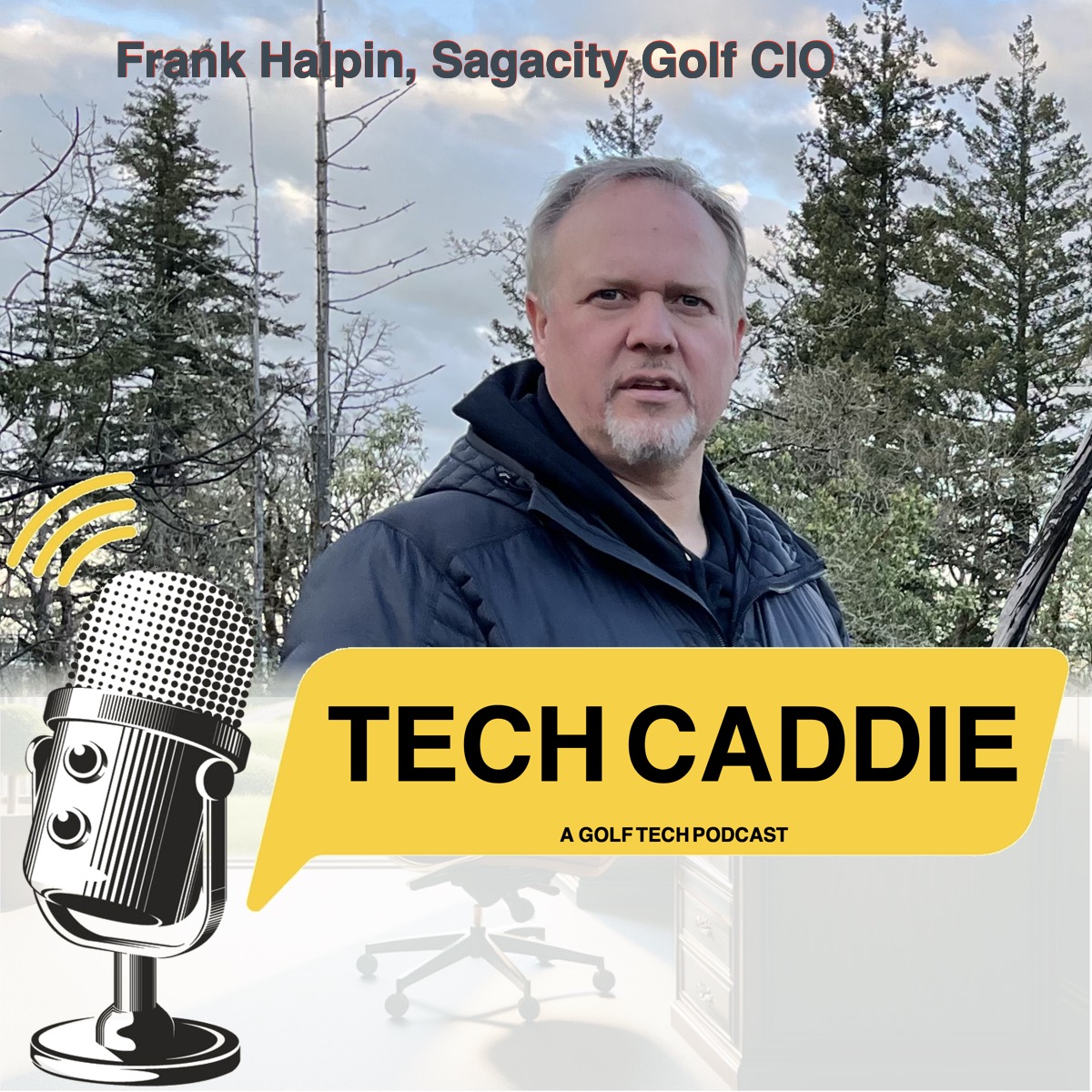
In this conversation, Frank Halpin, co-founder of GolfNow and CIO of Sagacity Golf, shares insights into his journey through the golf technology industry. He discusses the evolution of Golf Now, his transition into real estate, and the founding of Sagacity Golf, which focuses on integrating AI into golf operations. The conversation explores the future of AI in the golf industry, emphasizing the importance of technology in enhancing customer experiences and operational efficiency.

Frank Halpin

57min


In this conversation, Frank Halpin, co-founder of GolfNow and CIO of Sagacity Golf, shares insights into his journey through the golf technology industry. He discusses the evolution of Golf Now, his transition into real estate, and the founding of Sagacity Golf, which focuses on integrating AI into golf operations. The conversation explores the future of AI in the golf industry, emphasizing the importance of technology in enhancing customer experiences and operational efficiency.
Takeaways
Frank Halpin is a key figure in the evolution of golf technology.
Golf Now was initially a beta platform that evolved significantly over time.
Transitioning from tech to real estate allowed Frank to explore new ventures.
Sagacity Golf focuses on integrating AI into golf operations.
AI can streamline customer interactions and improve operational efficiency.
The importance of maintaining an updated website for golf courses is critical.
AI is set to revolutionize how golf courses manage reservations and customer inquiries.
Dynamic pricing is a key focus area for Sagacity Golf's offerings.
The integration of AI can reduce the need for human operators in certain tasks.
Frank's journey reflects the adaptability required in the tech industry.
Sound bites
"We opened really the first frozen yogurt store."
"AI will take key time reservations."
"We could do a whole demo of the system."
Chapters
00:00 Introduction to Frank Halpin and Sagacity Golf
05:37 The Evolution of Golf Now and Its Impact
16:04 Transitioning from Golf Now to Real Estate Ventures
24:22 The Birth of Sagacity Golf and Its Unique Offerings
36:19 Integrating AI into Golf Operations
48:07 The Future of AI in Golf and Beyond

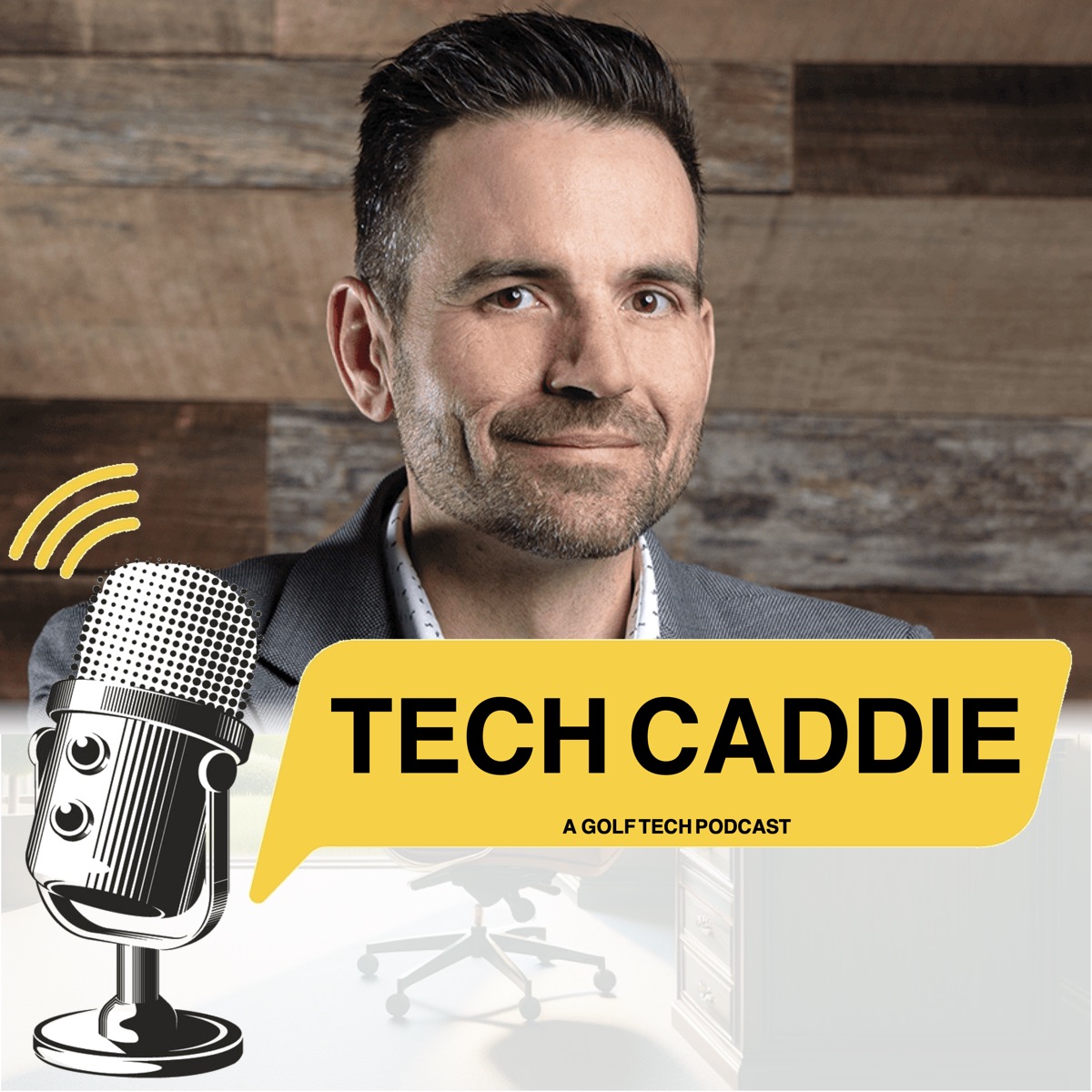
Metolius founder Ross Liggett — now VP of Data at Noteefy — joins Mike to unpack the acquisition, golfer data ownership, and where AI is taking tee time booking next.
Ross Liggett
51min
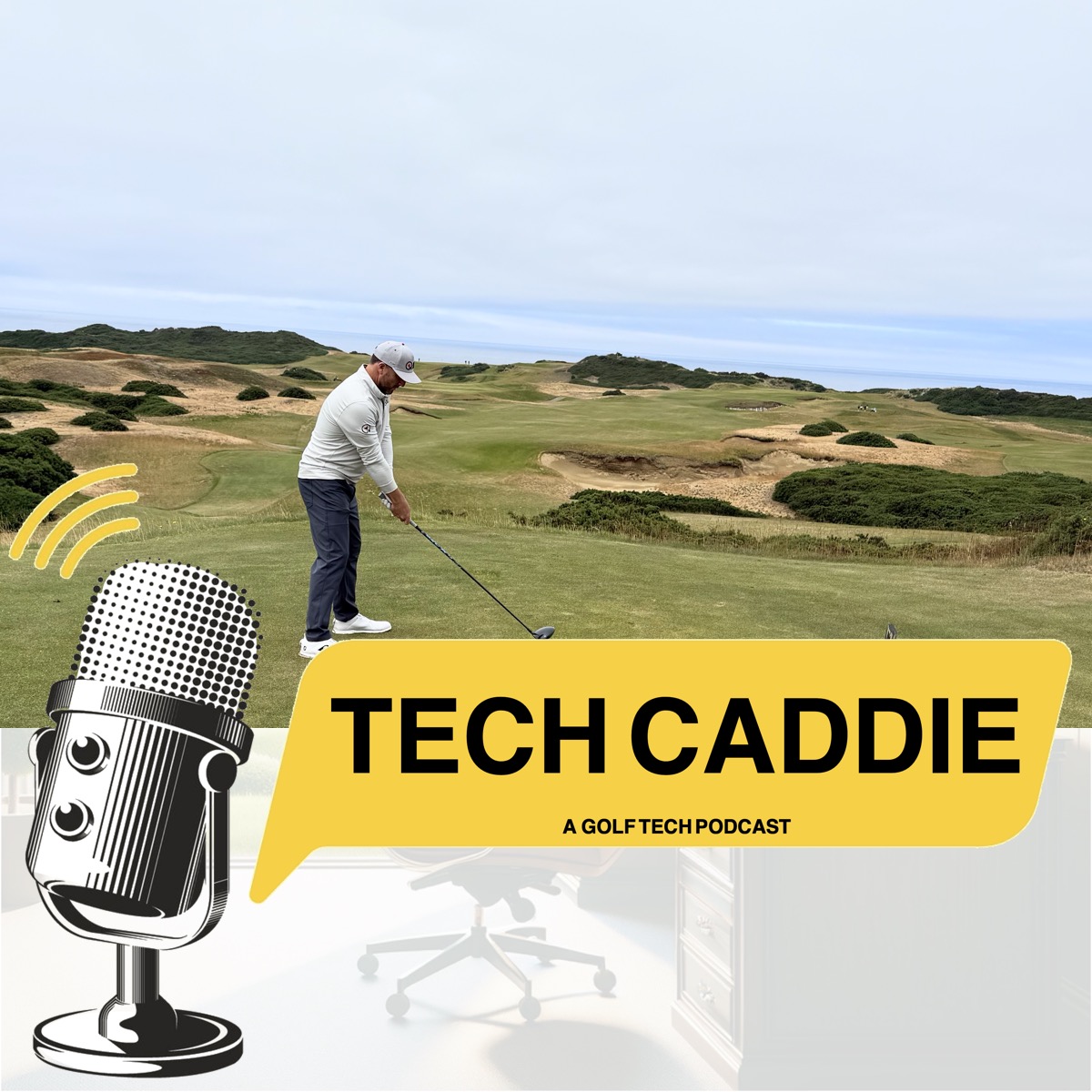
Golf District co-CEO Kevin Kalner breaks down the StubHub-style tee time resale platform disrupting golf booking — prepaid rounds, weather guarantees, and a new "unsolicited offer" tool that lets golfers bid on sold-out tee times.
Kevin Kalner
46min
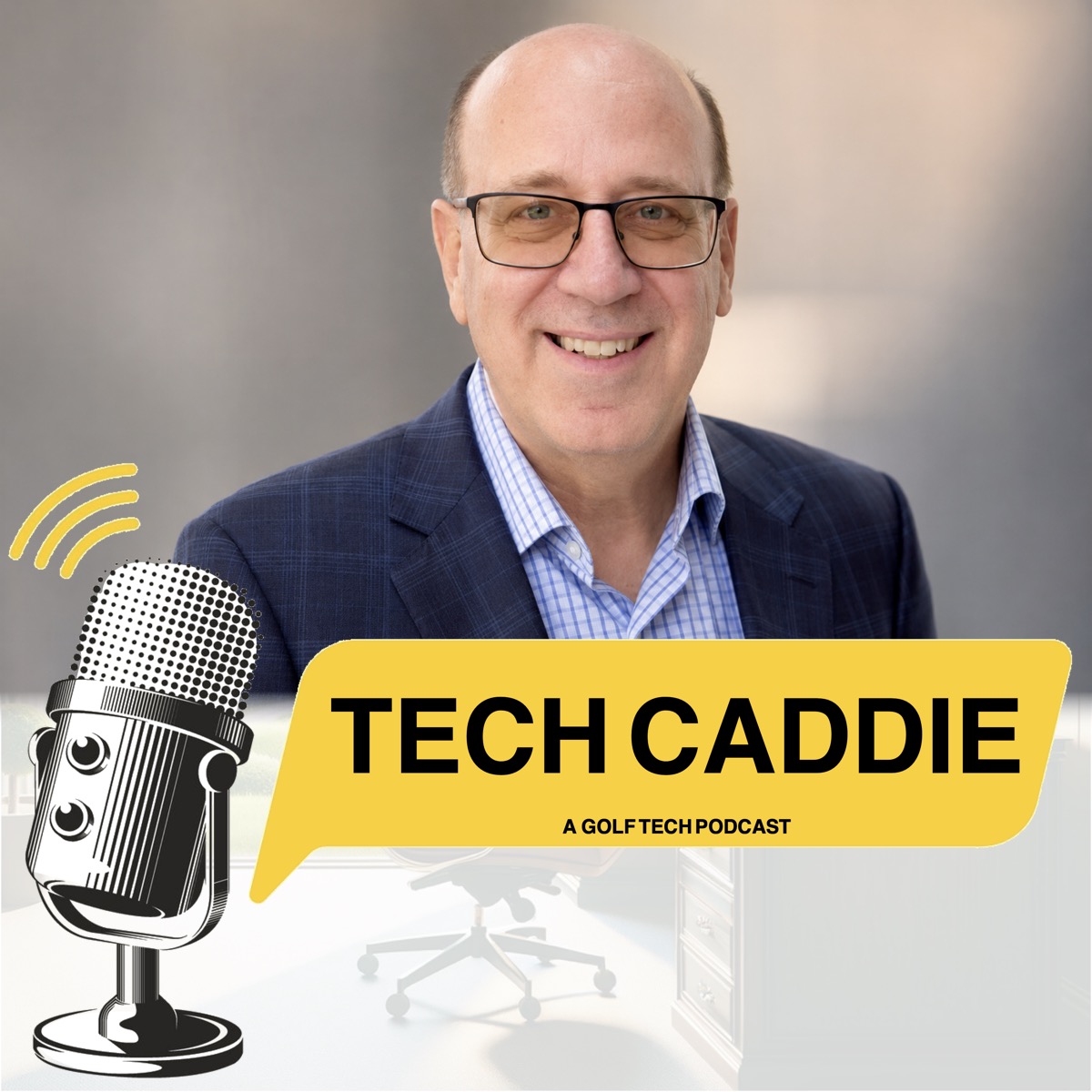
Jon Last joins Tech Caddie to unpack the NGCOA Business Pulse Report, the K‑shaped economy, and what current golf data says about pricing, technology, and golfer expectations.
Jon Last
53min

NGCOA CEO Jay Karen joins host Mike Hendrix to talk association challenges, membership growth, booking engine performance, dynamic pricing, and how AI can help golf course operators finally “measure what matters” in their tee time business.
Jay Karen
48min

Connor Van Gilder, whose background is in product design for complex enterprise solutions at companies like Zonos and Entrata, explains why he believes the digital tools surrounding golf—the tee sheet and point of sale (POS)—must be as thoughtfully designed as the golf course itself. Vn Gilder, founded Trutee Golf.
Connor Van Gilder
49min

In this episode of the Tech Caddie Podcast, Mike Hendrix welcomes Southern California Golf Hall of Famer John McNair, VP of Golf Operations for JC Resorts. With 26 years at the helm and a portfolio of 21 courses, John shares the "silver bullet" behind their 24,000-member affinity program and why controlling your own data is the ultimate competitive advantage.
John McNair
51min
Tech Caddie sits down with Golf Genius founder Mike Zisman on building category-leading tournament tech—and what’s next: racquet sports and a possible liquidity recap.
Mike Zisman
1hr 2min
Primo Tee Times inside ChatGPT: live availability search, MCP explained, and what this means for golf course bookings.
Mike Dickoff & Jason Patronas
51min
Vache Hagopian joins Tech Caddie to explain why Jonas Synergy was built, who it’s for, and how long-term service, integration, and strategy shape better club technology decisions.
Vache Hagopian
37min
In this Tech Caddie episode, host Mike Hendrix (Founder & President of smbGOLF) sits down with Rusty Grimm, Founder of Rustic Golf Properties, to unpack one of the more practical—and fast-moving—growth stories in golf operations today: how Rusty went from buying one golf course to building a portfolio of six properties in Wisconsin.
Rusty Grimm
49min
In this conversation, Frank Halpin, co-founder of GolfNow and CIO of Sagacity Golf, shares insights into his journey through the golf technology industry. He discusses the evolution of Golf Now, his transition into real estate, and the founding of Sagacity Golf, which focuses on integrating AI into golf operations. The conversation explores the future of AI in the golf industry, emphasizing the importance of technology in enhancing customer experiences and operational efficiency.
Frank Halpin
57min
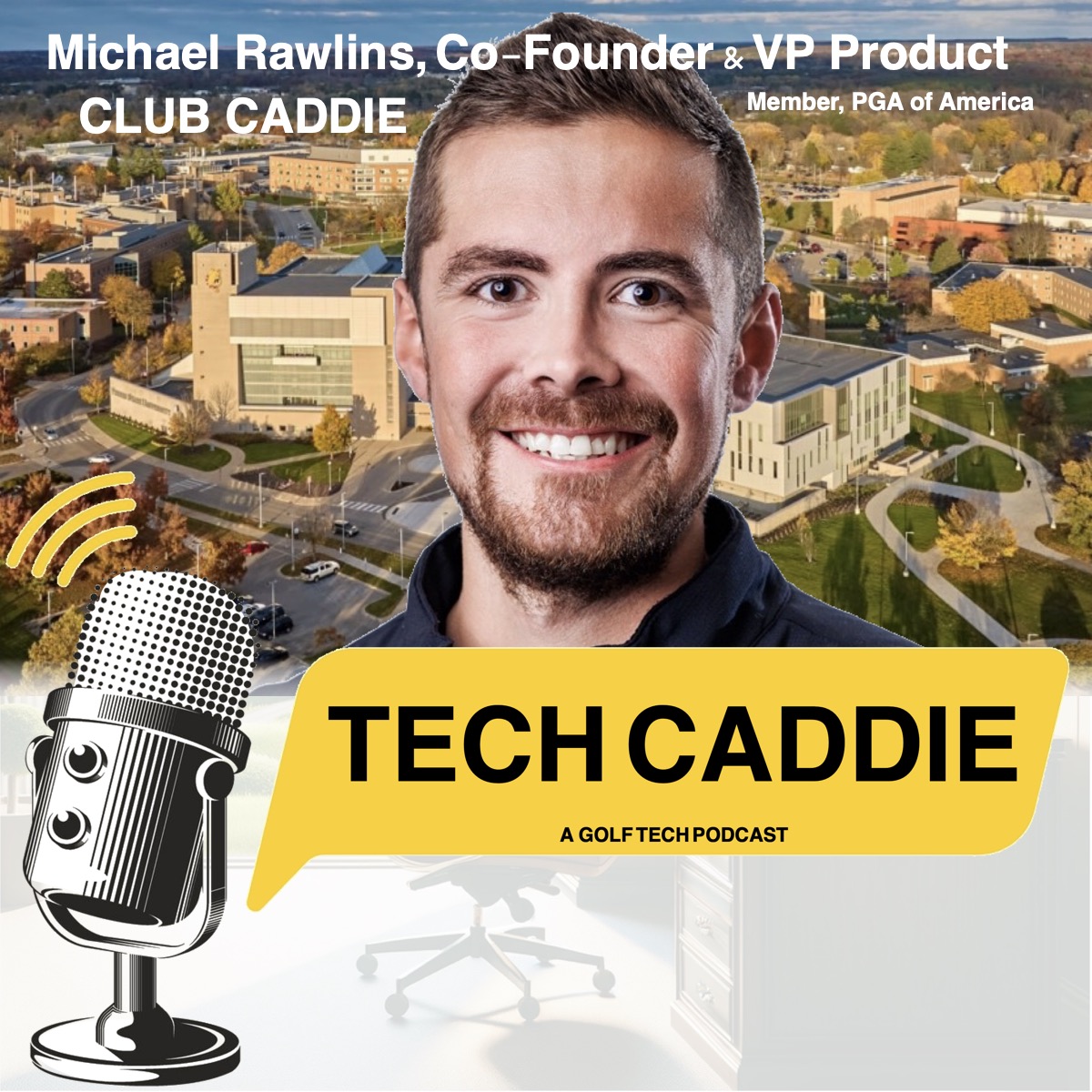
Michael Rawlins, Co-Founder and VP of Product at Club Caddie.Michael, a Class A PGA Member, shares the fascinating origin story of Club Caddie, from his early days as a PGM student at Ferris State to meeting CEO Jason Pearsall at Rackham Golf Course, leading to the co-founding of the company.
Michael Rawlins, PGA
49min
Mike Hendrix welcomes Bryan Lord, founder of Teesnap, one of the most disruptive forces in modern golf software. Bryan shares the full origin story: from the initial idea while at Purdue to securing major investment from Allegiant Airlines' Maury Gallagher.
Bryan Lord
57min

Mike Hendrix talks with David Clark, the founder of Easy Tee Golf. David shares how his product background at Capital One and Amazon shaped Easy Tee’s UX, why 50% of his customers are nine-hole courses, how Reserve with Google already drives ~13–14% of online bookings, why he shipped Waitlist before “squeeze times,” and what “default alive” meant for going all-in as a founder.
David Clark
52min
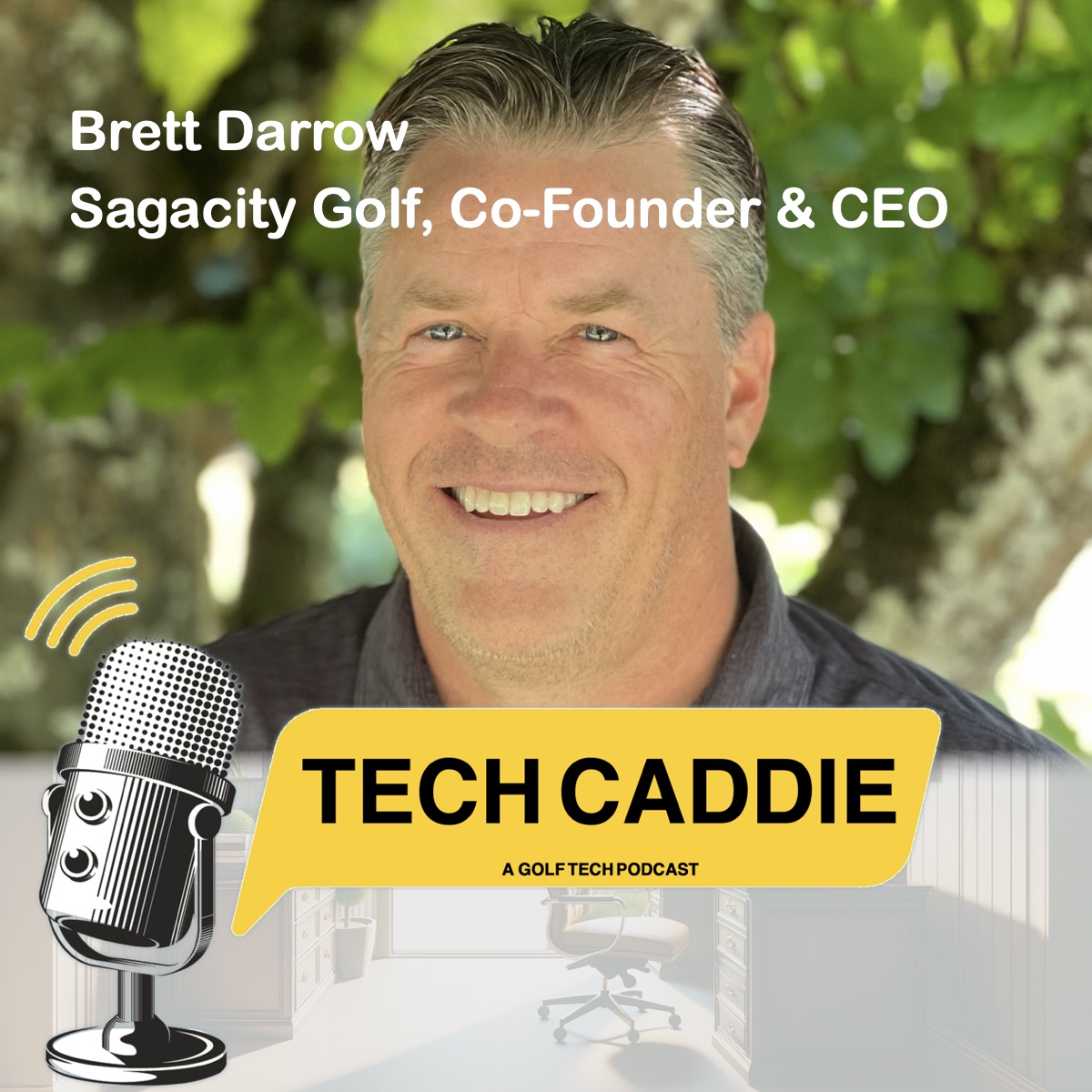
Mike Hendrix sits down with Brett Darrow, the visionary behind GolfNow and Sagacity Golf. Discover the untold stories of building and selling GolfNow, the challenges of innovation in golf tech, and the exciting future of Sagacity Golf's Yards app and advanced tee sheet solutions. A must-listen for golf entrepreneurs and industry enthusiasts.
Brett Darrow
60min

Can your golfers give feedback during the round? Real Time Feedback lets them text the shop in real time—no phone calls, no drama. Great for F&B, pace of play, and 5-star reviews. Hear how it works on the latest Tech Caddie podcast. 🎧 #golftech #golfbiz
Mike Terrell
45min

Zack Enriquez of Par 6 Media joins Tech Caddie to share how golf courses can show up in ChatGPT and Google Spotlight by improving their photos, metadata, reviews, and local listings to drive real bookings in the AI era.
Zack Enriquez
45min

Fraser Marriott, Head of Golf at Lightspeed Commerce, for a rare in-depth conversation about Lightspeed Golf’s growth, strategy, and vision. Fraser shares how a startup mindset still drives their team, why customer support is central to their success, and what’s coming next on their roadmap—including their Reserve with Google integration and plans to support both public and private clubs.
Fraser
46min

In this episode of the Tech Caddie podcast, Mike Hendrix is joined by golf industry veteran James Cronk—consultant, speaker, and co-founder of Golf Industry Guru. Together, they dive deep into one of the most overlooked areas of golf operations: e-waivers and risk management.
James Cronk
50min

Paul Sampliner shares his journey from growing up across the street from Highland Park Golf Course in Cleveland, to becoming a PGA golf professional, and eventually pioneering some of the earliest golf call centers and online tee time booking models while working for Marriott, Hilton, and later GolfNow.
Paul Sampliner
52min

2 Googlers join Mike for an honest conversation about when and why Google became interested in adding tee times to their results. They discussed the impact on golf courses not using an approved tee sheet, why some golf courses have more than one booking vendor available through search results and how long it takes for tee sheet and aggregator vendors to enable the Google integration.
Kathleen Oshima & Adam Jaffe
53min

In this episode of the Tech Caddie podcast, Mike Hendrix interviews Jake Gordon, co-founder and CEO of Noteefy, a company focused on demand technology for golf courses. They discuss the challenges faced by golf operators, particularly the issue of no-shows and cancellations, which lead to significant revenue loss.
Jake Gordon
55min

Nick Anderson joined the Tech Caddie podcast to share his impressions of the 2025 PGA Show and provide updates about his tee sheet and point of sale platform, MemberSports.
Nick Anderson
49min

In this episode of the Tech Caddie podcast, host Mike Hendrix chats with Martin Ort from Desert Canyon Golf Club about how his family-run course has embraced technology to stay ahead. From video game design to managing one of Arizona’s most tech-forward golf courses, Martin shares his unique journey.
Martin Ort
41min

In this episode of the Tech Caddie Podcast, host Mike Hendrix dives into the transformative power of golf course data with Bodo Sieber and Craig Kleu, Co-Founders of Tagmarshal. Learn how Tagmarshal is helping courses optimize pace of play, improve golfer experience, and boost revenue by capitalizing on dynamic pricing opportunities and expanded tee time inventory.
Bodo Sieber & Craig Kleu
42min

In this episode of the Tech Caddie podcast, Mike Hendrix interviews Jason Wilson, founder of Gallus, a company that provides mobile app solutions for the golf industry. They discuss the evolution of Gallus, the importance of mobile apps for golf course operators, and the essential features that make an app valuable.
Jason Wilson
53min

In this episode of the Tech Caddie podcast, Mike Hendrix interviews Chad Wright from Deer Ridge Golf Club about their recent technology transition from ForeUP to Sagacity and Toast. They discuss the challenges faced with ForeUP, the benefits of the new systems, and how they integrate operations for a better customer experience.
Chad Wright
50min

Watch as Mike and Chad explore the booking experience when using Lightspeed Golf in a desktop environment. Chad provides a pro tip in using Golf EMS to simply his events and golf packages operation and learn why Chad opted to leave foreUP and Sagacity Golf in favor of Lightspeed.
Chad Pettingill
40min

In this episode of the Tech Caddie podcast, Mike Hendrix interviews Jonathan Wride and Jarrette Schule from TenFore Golf. They discuss the origin story of TenFore, the challenges faced in developing golf management software, and the importance of user experience. Jonathan opens up about how he co-founded Supreme Golf with Ryan Ewers and the journey that led to Jonathan leaving Supreme Golf to help Jarrette build TenFore Golf.
Jonathan Wride
1hr 10min

In this episode you'll meet Jay Snider who built a simple tee sheet and email tool for his country club, to help keep dues down. Today, Proshop Tee Times has become a robust point-of-sale, tee sheet, member management solution for a wide variety of golf courses.
Jay Snider
52min

In this episode of the Tech Caddie podcast, Mike Hendrix interviews Rob Smyth from Cobalt Software, discussing his journey in the golf technology industry, the evolution of Smyth Systems, and the impact of family-owned businesses on company culture.
Robb Smyth
1hr 11min

CourseRev is a voice reservation system for golf courses that uses AI technology to handle tee time bookings over the phone. The system can integrate with tee sheet systems like Lightspeed and Club Prophet, allowing golfers to make reservations, join waitlists, and receive directions to the golf course. The system has surpassed online reservations in terms of volume and has handled more than 75-80 calls per day for a course. CourseRev is a game changer in terms of labor costs and customer experience.
Manna Justin
52min

Colin Read, co-founder of Whoosh, discusses his background in golf and entrepreneurship, as well as the challenges and opportunities in the golf tech industry. He emphasizes the importance of improving member and guest experiences, as well as staff workflows, through technology.
Colin Read
48min

Mike Hendrix interviews Scott Mingay from the USGA. They discuss the development of the GS3, a golf ball that measures green speed, smoothness, and firmness. The GS3 is used by golf course operators and superintendents to improve the playing experience and make data-driven decisions about maintenance practices. The conversation focused on the GS3 ball and the Deacon course management system. The Deacon platform is a cloud-based system that integrates data from various sources to help golf course superintendents make informed decisions.
Scott Mingay
58min

Menno Liebregts, founder of Golfspot, discusses the challenges of managing customer data in the golf industry and the need for an integrated solution. He shares insights on the company's journey, customer base, funding, and expansion plans. The conversation highlights the importance of open platforms and the impact of data on decision-making in the golf industry.
Menno Liebregts
37min

Jason Pearsall, the founder of Club Caddie, shares his journey of building the company and the importance of understanding the day-to-day operations of a golf course. Jason has the unique perspective as a golf course owner as he purchased Warren Valley Golf Course in 2022. Club Caddie started as a food and beverage delivery system called Golfler, but quickly evolved into a full clubhouse management software. Pearsall's experience as a golf course owner and operator have allowed him to build a product that solves real problems for golf course operators. The company has experienced significant growth and success, winning deals with management companies and continuously improving their product.
Jason Pearsall
1hr 11min

Kevin Fitzgerald, Assistant Director of Public Affairs for the Southern California Golf Association, provides an update on recent meetings regarding the implementation of a pilot program for golf tee time bookings in Los Angeles. The Golf Advisory Committee and the Recreation and Park Board of Commissioners both endorsed the staff recommendation for a $10 non-refundable deposit per player when booking a tee time.
Kevin Fitzgerald
34min

Jon Schultz, founder of ezLocator, discusses how their solution helps superintendents find the daily optimum hole location and enhances communication within a golf facility. ezLocator now include AI to improve the customer experience.
Jon Schultz
35min

In this episode of the Tech Caddie podcast, Mike Hendrix speaks with Kevin Fitzgerald, the Assistant Director of Public Affairs for the Southern California Golf Association, about the intersection of golf and public policy. Included is the TikTok video from Dave Fink which helped expose the gray market on the KaKao app, used by hundreds of golfers to score the best tee times available at the LA City municipal golf courses. Aaron Gleason from Golf Geek Software, discussed their solution called FairPlay Guardian, which uses machine learning to detect fraudulent activity in tee time bookings. Matt Holder from Loop Golf emphasized the need for operators to understand the pricing pressure and revenue management opportunities in the golf industry.
Kevin Fitzgerald, Aaron Gleason, Matt Holder
54min

Aaron Gleason discusses the issue of reselling tee times at LA City Golf courses and how Golf Geek's FairPlay Guardian technology can help detect and prevent fraudulent activity. He also spoke about the importance of knowing the conversion rate of a booking engine and how marketing automation can help increase revenue.
Aaron Gleason
29min

Mike Hendrix and Kevin Fitzgerald, the Assistant Director of Public Affairs for the Southern California Golf Association have a conversation about golf in Los Angeles. They discuss the role of the advisory board for Los Angeles City Golf Courses and the intersection of golf and public policy. They also peer into the issue of reservation systems and online brokers in the golf industry and specifically the City of Los Angeles.
Kevin Fitzgerald
43min

Matt Holder from Loop Golf joins the podcast to discuss Loop Golf. Matt talks about the early days for Loop and mistakes made along the way. Mike and Matt go into detail about tee time scraping and how Loop helps golf courses.
Matt Holder
29min

Don Rea joined Mike Hendrix on The Tech Caddie podcast for a conversation about the technology Don uses to run the golf course he owns in Mesa, AZ - Augusta Ranch Golf Club. Don is the VP of the PGA of America and he speaks about operating technology from that perspective and from his knowledge gained as a podcast host with Jay Karen, the Executive Director of the NGCOA.
Don Rea Jr.
48min

Del shares his background as an entrepreneur and his life in golf. He discusses the history of Seven Jars Distillery and the discovery of buried treasure on his family farm. Del talks about entering the golf business and the importance of technology in the industry. He shares his experiences with EZLinks and Fore Reservations, as well as the development of Kodology and Pitch CRM.
Del Ratcliffe
1hr 6min

Morgan Kimmins from Springfield Golf Resort in Chandler, Arizona discusses their use of Lightspeed technology and the impact it has had on their business. He highlights the benefits of Lightspeed's punch pass feature and the ease of use of their booking engine. He also discusses the importance of communication and the use of technology for frost delays. Morgan emphasizes the value of support and training provided by Lightspeed and the positive experience they have had with their customer service.
Mogan Kimmins
42min

Dave Vanslette, Founder and CEO from FAIRWAYiQ discusses the evolution of the company and its focus on data and automation in the golf industry. They have developed hardware sensors and software solutions to optimize golf course operations and enhance the player experience. They are focused on reducing friction and improving efficiency in the golf industry through AI and automation. The company has a strong customer support system and aims to provide value to golf courses of all types
Dave Vanslette
51min

Brendon Beebe, former CTO of foreUP, discusses his experience in the golf industry and building a successful company. He emphasizes the value of bootstrapping, hyper-focusing on specific market segments, and building a flexible system to meet the needs of different golf courses. At the end of the episode, Brendon asks Mike about how he would compete with GolfNow if he was to build a tee time aggregator and how he would use GolfNow if he was a golf course owner.
Brendon Beebe
51min

Allison George, a golf course owner and operator, discusses her experiences with various technology platforms in the golf industry. She shares personal updates, including her involvement in the golf industry and her use of technology in her golf courses.
Allison George
55min

Noteefy is a waitlist software that aims to help golfers play more golf and golf courses make more money. The product allows golfers to set their preferences for tee times and receive alerts when those tee times become available.
Dathan Wong
36min

Tyler Arnold, CEO of Eagle Club Systems, discusses the company's golf management software and its success in the industry. He highlights the flexibility and simplicity of their system, as well as their focus on customer support.
Tyler Arnold
35min
Mike Hendrix (00:00)
Hi, this is Mike Hendrix and today my guest is Frank Halpin from Sagacity Golf. And this is the tech caddy podcast.
Frank, welcome to the show.
Frank Halpin (00:25)
Hi Mike, thanks for having me.
Mike Hendrix (00:26)
Well, it's great to have you. You obviously are with Sagacity Golf, CIO at Sagacity. But a lot of people may not know you are a co-founder of GolfNow. And so we were really excited to have Brett on the show earlier this summer. And I feel like we've kind of, we're closing the loop here. We now have the other co-founder on. So welcome to the podcast and it's great to talk to you. I'm looking forward to the next hour.
Frank Halpin (00:51)
Yeah, me too. I'm excited to be here.
Mike Hendrix (00:53)
Good, good. Um, before we get too deep into, know, what you're building and that kind of thing, give us an understanding of where you are. Are you in Scottsdale? Are you in New York? Where are you? And, uh, and kind of like, how do you have your team set up?
Frank Halpin (01:09)
Yeah, I am currently in rainy Portland, Oregon, ⁓ Pacific Northwest, and we're just starting to get hit with the ⁓ heavy rain over here.
Mike Hendrix (01:19)
Yeah, I remember, you know, right when I came on board at golf channel or GolfNow, we had this crew in Oregon. and I knew that you, ⁓ headed that up. never did go to that office. So I, so it wasn't like I was meeting people, face to face. but, but you know, you are the person and I suppose a team, you guys built what we called iMUS back then for, people there, there will be.
A small percentage of people listening to this podcast, it'll say that's the guy that built iMUS.
Frank Halpin (01:49)
Yeah, I built that in my office, in my home office. think I was at that point building it, might've been just Brett and I. And that was built almost as a prototype, built in really basic, visual basic and technology and was not intended to be a long-term product, but ended up apparently, according to you, being around for much longer than I would've anticipated.
Mike Hendrix (02:13)
Yeah, it definitely stayed around longer. So I think you were with GolfNow for about a year. Not GolfNow, but after the acquisition, you were with Golf Channel or however we want to say it, for about a year. And I want to say iMUS still had a couple years left in it, even after that point.
Frank Halpin (02:31)
Yeah, well, that's scary, but interesting.
Mike Hendrix (02:35)
Do you remember what I'm a stood for?
Frank Halpin (02:37)
Yeah, I actually made that acronym of Internet Marketing and Utilization Solution, I think.
Mike Hendrix (02:43)
Right,
right. And so the utilization part, I used to use that in one of my early sales pitches. I would talk about this thing that we had called iMUS and I would say, what's so cool about iMUS is this word utilization. And I would start to walk the operator through the concept of, you know, utilization and sell through and all kinds of things that most had not had in their vocabulary.
Frank Halpin (03:10)
That's funny.
Mike Hendrix (03:11)
How did you meet Brett?
Frank Halpin (03:13)
I met Brett at one of his dad's companies. So I graduated from Oregon State in, I think around 95. And then I joined Claremont Technology Group as a consultant. They had a new hire program. I think they took like five people from Oregon State. And that was Steve Darrow's company, technology company. I worked there for a couple of years doing consulting on different projects.
And then I was a little late to that company, Steve, ended up taking it public, doing really well with it, making a lot of money. And then he went to do it again and start over. And he started another company shortly after called Emerald Solutions and ended up recruiting certain people from Claremont to go to the new company. And I was like, great, because I kind of missed the boat with Claremont.
Going public because I was kind of you know late to the company didn't have a lot of shares in it and then Thinking oh I have the opportunity now to go to a new one. He's gonna do it again. I can get in at the ground floor spent I was there maybe a year or so and then at the time Brett was running a golf promotion company in Phoenix I think desert golf promotions, and this is when the internet was just kind of getting started right. I mean it's hard for
depending how old you are, that sounds strange, the internet, when I was doing this consulting, it didn't really exist yet. I had small exposure to parts of it at ⁓ college. We're using things like Mozilla and just things like that. And then we started a practice at Emerald to do development for the web. And at the same time, Brett got this idea to move Tea Times online.
So he went to his dad and said, you know, can your can emerald do this project and build this software for me? And I had kind of worked my way up. I think I was like a senior project manager now and that project landed in my lab. So that's when I met Brett and we started working on the first iteration of his idea for an online tee time service. And I think it was golf gateway. If I remember was the original name.
Mike Hendrix (05:26)
golf gateway. Very good. At that time, were you then in Arizona or were you still in
Frank Halpin (05:32)
No, I was always in Portland. Claremont was Portland-based. Emerald was Portland-based. There was a point, I think, because I ended up leaving Emerald and joining Golf Gateway. And I don't know, it may have had a name change at some point, too. ⁓ And then I was going to relocate at one point to Phoenix prior to the whole thing imploding.
Mike Hendrix (05:54)
Got it. Got it. Yeah. And so, and so it does implode. What, what's your fallback? What do you, what,
Frank Halpin (06:02)
Quite quite dramatically implodes
Mike Hendrix (06:05)
Wait a second, let's dig into that a little bit. How dramatic.
Frank Halpin (06:07)
mean, pretty big. went from, know, Brett would be the better one to ask because like I said, I don't remember all the details, but I was maybe, I don't know, employee five, 10, something like that, very early. And I think within a year, we had 200 employees. Yeah, we had a large office in Phoenix. We had an office going in Portland and they were just going.
you know, 100 miles an hour, throwing money at it, know, everything at that time with the internet, the investors didn't seem to care if you were making money or even had a plan to eventually make money. They just thought it was a land grab and you just had to get big fast and take over the space.
Mike Hendrix (06:50)
Pets.com, right?
Frank Halpin (06:52)
That was dot-com. That was a dot-com boom. so it was just a crazy time. Spent all kinds of money. A lot of the money Stephen made on Claremont. invested. He ended up leaving Emerald and going to Golf Gateway and then running that with Brett. And then he left. I can't remember who he left in charge at Emerald. So Emerald looked like it was in good shape. It was actually
in the process, I think of doing an IPO. So I was like, great, you know, I've got my stock in Emerald. Now I'm also with this new golf company that's going to be a great big success, you know, big internet company and I own a lot of stock in this. And then, you know, everything just kind of went south from there and golf gateway was the first to go. It started to collapse the, you know, the money dried up the whole, you know, dot com things started going down.
And then there was sort of a ripple effect because most of Emerald's clients at that point were a lot of these internet companies, startup companies that they were doing consulting for. And so when Golf Gateway went under, they stopped paying Emerald and then they lost a bunch of their other clients and then their revenue dried up and then they pulled back from the road show. They ended up not going public. kind of Golf Gateway went under first and then I was like, okay, time to reassess.
And then Emerald went under and I was just like, wow, this is a disaster. Everything's falling apart. And I was unemployed. I I think I was the last person to walk out of the office. ⁓
Mike Hendrix (08:25)
Wow.
Yeah. Um, and, so I am curious back then when you kind of first, you know, you're at Emerald and you get assigned, if you will, to golf gateway, are you a golfer at that point or is that one to you?
Frank Halpin (08:40)
I mean, I had played golf. My dad was more of a golfer. I had played it some, it wasn't at all a passion of mine or anything I was particularly good at. It was Brett. mean, Brett's the golfer and everyone else in the company mostly is a golfer. Sure. But not me so much.
Mike Hendrix (08:52)
Yeah, yeah.
Yeah. and, I'm, I'm also curious during that time, were you all already talking about, but this is just the first reservation thing we're going to do. Like this is going to lead to other online reservations, things that are, you know, if you will, associated to time, were you thinking that way or were you, were you all always just thinking about golf?
Frank Halpin (09:22)
In the golf company, Golf Gateway was just about golf. It was just about tee times. It was very golf focused. There was really, at that time, we weren't doing a lot of thinking about other verticals that it could be used for. It was all about golf.
Mike Hendrix (09:37)
It's just interesting way back then, you know, if someone had said, because ultimately GolfNow does become really the first, well, not, shouldn't say first, but an early version of an Expedia or something like that. Right. It is, it is kind of this forerunner of this idea of why wouldn't we build these online marketplaces where reservations are going to happen? And so, I think people don't understand that about GolfNow about how
early GolfNow actually was in its early, early iterations.
Frank Halpin (10:10)
Yeah, but again, that was not GolfNow. mean, that was a different company that went bankrupt. I was unemployed. Everyone in that company was let go. And then the surprising thing is, Brett and I, through that experience, we found we were good working together. We enjoyed working with each other. And so when things settled down and kind of the dust cleared, we ended up talking again.
Mike Hendrix (10:17)
100%. I get it.
Frank Halpin (10:37)
and talking about other business opportunities and ideas. And I think at the time we were thinking, know, email marketing was just becoming a thing. And so we were collaborating on possibly figuring out what to do next. And we were going to do something in the email space. And then we were both apprehensive about golf, but then Brett's like, you know, this is what we have the most experience in is golf. And so we really ought to go ahead and do something in this space. And he
We collaborated on ideas. started building prototypes. And then surprisingly, you know, he went back to his dad and said, Hey, I know you just lost tons of money on this last thing, but hey, you want to, you want to put some money into this? And he actually did. I invested some money and it was enough for us to get started. And, you know, we iterated a lot and what we were doing, um, the model changed, you know, and that's one of the good things.
that Brett is really good at is innovating and changing as things are not working. He's got another idea how to tweak it a little to make it work better. And then that's what became Cypress Golf Solutions originally. Right. And then eventually rebranded into GolfNow. Yeah.
Mike Hendrix (11:47)
Yeah. And it was, ⁓ I don't know at what stage you all figured out how to put that inventory inside of an email.
Frank Halpin (11:54)
Well, that that was the first thing we did because that was the whole premise was the email marketing component of the company and and putting and and really that was the only way we sold them is we put them in email. right. Yeah. Yeah. And then from there we expanded and said, well, you know, why wouldn't we put them on a web page and, you know, do other things like we started with really local marketing, we had we use the area codes, phone number area codes. So we had golf 602 and
in Phoenix and Golf 503 in Portland. We did lot of partnerships with radio stations to promote inventory and get people to sign up for the mailing list. Yeah, and just, that's just kind of grew from there.
Mike Hendrix (12:34)
Yeah. And then of course, you know, think we've, talked about this in the past, but then you get to have that amazing ride of an acquisition and it's a real acquisition and everybody gets paid. And so that's, that's awesome. I'm very happy for you guys on that. so golf channel really Comcast and for the people that are listening, this is before NBC was even in the picture. This is just Comcast owning golf channel.
When Golf Channel buys GolfNow, you stick around for about a year. I'm curious to know after that ends and you leave, let's call it Golf Channel, is there something that you go to immediately or do you just kind of enjoy yourself for a little while?
Frank Halpin (13:13)
⁓ yeah, I kind of took a little bit of a break, but not much. And this is going to be surprising. But one of my real interests, maybe even more than at the time of even doing internet and software development, was ⁓ construction and home renovation, remodeling. Yeah, because you're a builder. Yeah, yeah, I guess. so I was, think because I had enough money now,
Mike Hendrix (13:33)
heart you're a builder.
Frank Halpin (13:39)
Because I'm a little bit risk averse. so when I was, this was the time a lot of these flipping shows were on TV. And a lot of these places, they were taking, you know, hard money loans to buy the house. And then they had a really short timeline. They had to flip it because the interest would start occurring on the loans. And so I was never comfortable, you know, doing that. But after selling the company, I had enough money that I could just go buy some homes for cash and have enough reserve that
If it took me a little longer than I expected to turn the house over, I wouldn't have to worry about it. I wasn't betting everything on it. So I started a construction company called Ruby Northwest named after my daughter. And I spent, I don't know, I don't even know how long, eight years or so buying really distressed properties. And this was after the crash. So I was buying properties off banks for like cheap.
like really cheap and coming in doing a complete renovation on them end to end. And then there was still a market for turnkey properties. are still buyers with money for those. So it was a perfect time to be doing it. People were surprised because like, you know, what are you doing in the housing market? It's a disaster. And it's like, well, actually for this, it's actually great. And then I did that for really enjoyed it. Did it for
I know, 13, 14, 15 properties, something like that. I had a crew. I think I had six employees. then I just kind of eventually did enough properties where I just sort of got tired of it and even physically tired of it. I it was hard, hard work. did a lot because I enjoyed the work. So I did a lot of it myself.
And then also I did other things at the same time with Brett. got, he got an idea for doing in Phoenix. was, you know, the frozen yogurt craze that kind of started, kind of started in Phoenix. So Brett's like, Hey, you know, all these people are opening these frozen yogurt stores and, you know, why don't we do that? You want to do that? I'm like, ⁓ okay. But then we opened up a frozen yogurt store in Lake Oswego. And of course I was a contractor at the time, so I could do the build outs and, you know, get the stores going.
And I think we opened really the first frozen yogurt store. It's called UU Yogurt. And we opened that in Lake Oswego. think there was one at the airport that YoCream started, but that was just as a demo facility to show the product. So we started that and then we opened another one, I think in Beaverton Hillsdale and another one in Wilsonville. And they did great for a while, but then everybody started opening frozen
Mike Hendrix (16:12)
Yes, like that.
Frank Halpin (16:13)
everywhere and the market just collapsed. And so we closed ended well actually ended up buying the business from Brett as it was going downhill great timing and I ended up having to close the one in Lake Oswego and Wilsonville but I still have the one on Beaverton Hillsdale. It's still open today.
Mike Hendrix (16:30)
Nice, That's great staying power.
Frank Halpin (16:31)
Yeah, think, yeah, like 14 years or so. the one of the original employees is the manager of the store and is still there for 14 years. He's still running the store for me.
Mike Hendrix (16:42)
That is cool. I don't know if you know, we have, we have similar background. So before I was in golf, I was a subway franchisee. And so I know that world of 1200 square feet, how you optimize every square foot, you know, et cetera, et cetera. And for me, I was a flipper of subways. would buy distress subways. would fix them and I would sell them. And there was always a buyer, you know, so it was a good, it was a good business to be in.
That led to building an early franchise with the Big Ten Athletic Conference. So because I had kind of learned how to franchise and that type of thing. And so we someday will have to have a beer and draft notes on making money in a thousand square foot strip centers.
Frank Halpin (17:28)
or in my case, sometimes losing it.
Mike Hendrix (17:30)
There you go. There you go. So, you know, I, I'm still interested in the early days of Sagacity. Were you, part of Sagacity from day one or did Brett convince you to come on board?
Frank Halpin (17:47)
Yeah, it was more of that. So Brett, once our non-competes expired with Comcast, Brett immediately wanted to get back into the golf space and I was still doing houses. And then Brett actually came to me and said, hey, I'm thinking of starting another golf company. Would love it if you would do it with me. think it was going to be, well, it ended up being quick 18 at the time. He was like,
apps is the new thing. And I was like, yeah, I'm like, I just am not ready to do that right now. I'm really enjoying doing the houses and but, you I keep in touch and I wish you the best of luck with it. And so then Brett started working on that company. I wasn't really keeping tabs on his progress and stuff, but I think he had some success with it. And then there were other people from
that were either, know, licensees of ours or former employees of GolfNet, who'd also gone out into the golf space, continuing to start their own companies. so one of those was a licensee, Andy Seitz, and he started a company called Apex, which did a lot of sort of yield management type calculations. But, but he was kind of lacking a real deep data source to support that.
Then we had Mike Loustalot He had gone out and started Orca, which was a benchmarking company. And then you had Brett running Quick 18, was kind of a tee sheet app company. But individually, they were not having a ton of progress, I think. And so they ended up sort of coming together and saying, hey, know what, if we combined these three companies together, they would all build off each other. And they worked out.
some agreement to do that. And that's where Sagacity came from, the combination of those three companies and those founders. And again, I was not there day one, but shortly after the founding of it, Brett eventually came at another point and said, hey, would you be interested now in coming and joining the company? And then at that point, I was starting to get tired of
doing the property flips, the market was changing, it was getting really hard to buy properties at the right price. There was a ton of competition. I think I actually almost lost money on the last house that I had done. I was actually had two or three donut stores I was running with some other partners that was
Mike Hendrix (20:07)
That's like, hey, I get it, because I had a chicken store for a while. I totally get it.
Frank Halpin (20:11)
Don't get in the doughnut business. Didn't end well. And so then I was like, yeah, you know, probably would make sense for me to get back into this because I'm getting older. I don't really want to work this hard anymore and physically work this hard. Yeah. And so it was just good timing. And then I joined up with them. But I'm just an you know, I'm an employee of Sagacity, not a founder.
Mike Hendrix (20:31)
Yes, understood. You know, but the thing that's always kind of been a, it's not a head scratcher to me. It's just this hidden thing. think within Sagacity that so many people don't know is that there's actually a tee sheet that sits inside of Sagacity. feel like so many people, you know, and maybe rightly so have this association of Sagacity with dynamic pricing, right? That this is really their go to market thing. This is their brand.
I think you all call it Forecaddie is like the, the, the, the product name of dynamic pricing. but it's always been interesting to me that, that, you know, I think to myself, you know, there's a tee sheet inside of there. any of you customers want to use.
Frank Halpin (21:13)
Yeah, well, it wasn't it wasn't really pushed. So when those three companies came together, the tee sheet just sort of came along with Quick 18, because that was the you know, that was the product that that company had. But they decided early on that the focus for the business was going to be on this yield management capability, dynamic pricing piece. And so the tee sheet was kind of secondary to that. And then in order for the pricing component to work, you know, we needed to have integrations to other
vendors and so we didn't really want to be directly, you know, openly really directly competing with them. We wanted to work with them and even still today we're not really pushing our tee sheet product.
Mike Hendrix (21:51)
I agree. That's why it's so interesting to me. Even to this day, it's just this little hidden gem that a lot of people don't know about. And I don't know, maybe, and you may not know either, maybe when OB Sports was such a big customer of Quick 18, maybe the tee sheet was fundamental and it needed to happen. I honestly don't know, but it's just always been interesting to me.
Frank Halpin (22:15)
Yeah, it's always kind of been treated internally as more of a fallback ⁓ if there's problems with it or if a course really pushes us, you know, but we're fine with them using whatever tee sheet product works best for them.
Mike Hendrix (22:27)
Right, And that's I do believe that tee sheet enabled you all to have a, and I think you still have it to this day, ⁓ integration with Clover. So Clover, just thinking of Clover is this kind of standard point of sale that so many small business operators, regardless of industry that they're in lots and lots of people use Clover. Some people use Square, you know, so the Clover sits in that world. And then of course, the, the bigger news, I guess it was this year.
is that, Sagacity works with Toast, the big, big, ⁓ restaurant company Toast. And so now there are lots and lots of golf course operators that if they want to have Toast as their point of sale, including even selling golf balls and shirts, they can use Toast for that and attach it to the Sagacity, tee sheet and really have a full system at that point. Yep.
Frank Halpin (23:20)
Yeah, that's correct. And it's working really well. We've got quite a few courses implemented with that combination. And they seem really happy with the product.
Mike Hendrix (23:30)
Yeah, that's good. But, but really the reason that I reached out, you guys very recently did a press release and if people are watching this versus just listening to it, you can see in Frank's background, I actually have never seen this brand before until today. The Sagacity AI with a different icon, right? That's not an icon that we know from, Sagacity. So
Bring us up to speed here. Like is Sagacity AI a company? Is it a brand within Sagacity Golf? Help me understand what Sagacity AI is.
Frank Halpin (24:06)
Sure. Well, it's really just a product, product names, the Sagacity AI. And it's really primarily two things right now. There's a chat product that works on a golf course's website. It also is optimized for mobile devices, tablets. And then we have a phone product associated with that, which is a number you can call and you can speak to that AI and basically
do most of the same things you can do in the chat, book tee times, ask questions about the course, answers through a phone platform. So those are the two, yeah.
Mike Hendrix (24:40)
So I actually have used your chat, you know, recently, oddly enough, Desert Canyon, Martin Ort is a direct customer of mine. So I have this company called SMB Golf and we help golf courses with a bunch of digital optimization. We even help golf courses go through technology transitions, you know, just kind of a nice boutique business.
where I'm able to kind of leverage the skill sets I've built over years and help independent golf course operators. And so Martin is a customer of ours. And so one day I go to his website and I see this new chat thing. like, what is this? And oddly enough, Frank, it talked to me. I actually asked it a question and the answer I got, I was like literally looking at my screen, waiting to read something. And all of a somebody started talking and the answer came verbally, which I thought was interesting.
Frank Halpin (25:35)
Yeah, we've done that for especially for phones. So there's a you can use the microphone to speak and it'll transcribe what you're saying and submit it. And then there's an auto play feature you can turn on and it will then read the responses back to you.
Mike Hendrix (25:50)
got it. Yeah, which is I'm sure convenient in a mobile environment and whatnot.
Frank Halpin (25:53)
Yeah,
it's great on mobile because it's hard to type and so it's great to be able to just push the microphone to speak and have it go back and forth.
Mike Hendrix (26:01)
So, again, I'm kind of, I'm just getting up to speed on all of this. How long has this been going on? Like, did you, did you stumble across AI a couple of years ago and it blew your mind and you thought we've got a build inside of this world or like, just get explained to me how someone as successful as you've been in technology or albeit yogurt, you know, but how AI really kind of grabbed your attention and you thought.
Frank Halpin (26:23)
Yeah.
Mike Hendrix (26:28)
I'd be willing to push a lot of chips in on this thing.
Frank Halpin (26:30)
Yeah. Gosh, I don't know. I've always been interested in technology. I watch a lot of specific YouTube type videos on things and go deep diving into things on there. And when I first started hearing about AI, I was kind of fascinated by it. ⁓ didn't make sense to me that based on my understanding of it, how it could have the kind of outputs that it had. didn't seem
logical that it could be as smart as it was. And so I really, you know, just started looking into it and ⁓ being surprised by its capabilities. And I was working for the, you know, for Sagacity at the time, but I was primarily ⁓ focused on doing stuff for the PGA. We did a whole project for them with, you reporting. I also did a lot of things to optimize how we process data.
And then we firstly used a little bit of AI to help with that. Basically mapping data that came in and figuring out what category things should be mapped to. So that was kind of a little bit of exposure to that capability there. But then the more I saw AI advancing and I started using it myself, I was like, gosh, there's definitely going to be all kinds of things you can use this for.
And of course, we're sitting in the golf space. So I'm like, you know, just kind of as a side project started saying, well, how could I hook this up, you know, with the, with the capabilities we already have? And that is one, I think, big advantage that we have in the marketplace is that, you know, we're an older company and we have a lot of really powerful legacy systems. Like you have mentioned, you know, the tee sheet, dynamic pricing and, know, CRM capabilities.
⁓ So we have a lot that we can put a front end on ⁓ and make that data accessible and smart. so let's talk about.
Mike Hendrix (28:26)
Let's talk about, I presented just the other day, Miami Valley Golf Association. So that's Miami, Ohio. And it was a very nice conference, actually. Steve Jurick, amazing job. So shout out to Steve. At the end, we talked as a group about AI and he was talking specifically about AI in dynamic pricing.
I understand that that's where people's minds would go. All of my experience with dynamic pricing was actually all about really just automations. know, something fits within a box. And so then we do something to it once it gets in that box. But it never really struck me. Well, look, I know the stuff that I build at GolfNow was not AI based. It was frankly very workflow based, if anything, with automations.
Today, I'm going to guess Sagacity probably does not have AI factoring into tee time pricing. But likely that that's where the world will go.
Frank Halpin (29:18)
No.
I'm not sure about that in terms of just figuring out the pricing because a lot of the sort of you want to call it algorithms or formulas for how to do that type of logic is not really AI dependent. I agree with you.
Mike Hendrix (29:41)
David Clark on this podcast months ago. He said the same thing. He's built his own tee sheet fit for those that don't know He said the same thing. I Don't want to sound like a dinosaur like with the stuff that the the pricing stuff that we build at GolfNow But it actually didn't strike me that this was a perfect intersection for AI I'm not so sure I see that today
Frank Halpin (30:03)
Yeah, I would agree with that. I don't work a ton in that area. like I said, I think the underlying data that you need to look ahead and figure out how to appropriately price inventory is really just function formula based. It's not really something you need AI necessarily doing. But I think the place where AI ⁓ does fit very well is in looking at a large data set and helping you answer
questions about it, more generic questions about it. And I think that's an area that we will look at. And some other companies are already doing this, where instead of an operator having to go to reports and pulling up specific data on a report, they could just ask a question to an AI. And the AI will go understand what data to access that they have to answer that question.
Mike Hendrix (30:56)
agree 100 % with that. We know Club Caddie is doing that. So they built this thing called Looper that actually Looper got the fancy of the entire Jonas organization. And so then they got some funding from just, I think Looper is on that kind of forefront that you're talking about there. And then we actually know that Anthony strange from IBS, from the old IBS days is, is endeavoring on this and, building some things.
to do exactly what you said so that operators can simply ask for how'd I do the last seven days and get the answer like that, which I think is going to be amazing when people get used to using that.
Frank Halpin (31:35)
Yeah, I think that definitely has some potential. Yeah, but we but but we didn't start there because we saw a bigger opportunity on the front end on the consumer side and helping operators make their operation more efficient and and ⁓ freeing up, you know, the phone freeing up, you know, answering questions and giving them their time back to do other more direct touch points with golfers. Yeah, yeah. That's a bigger impact.
Mike Hendrix (31:38)
Yeah.
Frank Halpin (32:04)
initially those tools will have a bigger impact than not having to run reports or getting new insights out of their data with AI. But it's definitely there's a market for that. And that's something we're going to look at.
Mike Hendrix (32:18)
I agree. You know, I think one of the challenges that you have, I mean, you would know who your competitors are. Courserev is making great strides in a similar world. I think at some point you'll start to see GOLF.AI get some traction. But one of the things I think all of you will come up against a bit is that chat.
experiences. Now think, I'm just thinking specifically this chat widget thing, right? That we've all experienced, whether it's been who knows Southwest airlines or Hilton or whatever that really chat experiences have been terrible for the consumer. And it's almost unfortunate that now as, as these things shift into AI, that they're going to, they are going to resemble that old experience, but they're like a million times better than
than that experience. And it's convincing the consumer of, come back and have one more bite of the apple and see if we got it right this time.
Frank Halpin (33:18)
Yeah, yeah, I think that that that is going to be a natural I was thinking about this the other day, especially with phone is that I was looking at that NGF thing about the 6 million, you know, annual hours spent on the phone for golf operators. And I was thinking about, know, well, why don't, why don't you put the AI on the front end of that, right? Let it answer the phone. And in a lot of cases, it will be able to help them and answer the question. It can book a tee time.
cancel a tee time, tell them the hours, even do routing, just transfer the call to the right place. And if the person doesn't want to use it, right, they can just say, let me speak to a human, right? And then just transfer the call off and get a human on the phone. But we've found that maybe half of the people or more are willing to work with the AI and we'll start talking to it and try to get their question answered. And then when it's
If it's unable to help them, it also knows it's not able to help them in some cases, and it will immediately do the transfer. And I think what's going to happen over time is you're still going to have the people that just don't want to talk to an AI. They just want to talk to a person, right? And they want to be transferred immediately. But then there's going to be another group of people that realize, ⁓ actually, this thing can help me. And it's not that hard to talk to it and get the answer I need.
And when I don't talk to it, I might end up in a voicemail box or on hold, Or I might get the human that doesn't know the answer or is frustrated and isn't in a place to help me right now, So I think over time, more and more people are going to get comfortable with the AI, understand what it's capable of and be willing to use it. But it's going to take time for people to get there. And definitely, haven't helped ourselves by having
bad products that don't work well. And then certainly having the products where, you know, there sometimes you call a business and you get the phone thing, that tree or the whatever, and you, you just know, it's not going to be able to help you. Like, you know, you need to speak to a person, but then it fights you. And you're like, how do I get to the operator? Right? You're like, if you phone the golf course and you left your club on the ninth hole, you know, the AI is not going to able to help you. Right. It doesn't know anything about that.
And you know you just need to talk to a person, yet you don't want it pushing back and trying to keep helping you when it can't help you. ⁓ And that's one of the things we put into our phone system is that if the person says, I don't want to talk to you, I want to talk to a human, we just immediately transfer the call. don't push back at all.
Mike Hendrix (35:55)
You know, I, ⁓ when I was at GolfNow, we had a phone service. and it was, we, we used a company called W five who I think a lot of people know, ⁓ in golf that was Andy Weeks and his wife, Alison Weeks, Mike Brown, Mario, they, they, they they did an amazing job and we ultimately became their front end sales vehicle. The only way you could use W five, we,
rebranded and called GolfNow Answers. But the only way you could use that product was to come through us and we would sell it to you. I always believe one of the reasons that product worked as well as it did was because it was so onshore based. We had tons of people in Chicago that were answering the phones. We had a group of people in Arizona. We paid really strict attention to trying to make sure we had the right
a voice inflection based on where the golf course was located. That was a thing that mattered. I ultimately left GolfNow and that product moved overseas or offshore, let's call it. And it struggled. And so you, what you find is this experience on the phone can be good, but it's also like, you've got to be really good at delivering it. And I actually think that AI will now be better.
then so many other options because AI is going to become so AI phone, I should say will become so nuanced. will have the right tone and approach. It will, Jimmy will not be in a bad mood when the phone is answered, right? It will always be a positive experience. and you'll be able to use, you know, when I was at golf channel, we used golf channel celebrities to answer the phone to begin with.
Hello, this is, you know, Lauren Thompson. Thank you for calling gateway national. know, that type of thing. Well, people are going to do that in AI as well. that's, that's going to flourish. I also would say this. One reason I'm bullish on your opportunity is because I'm surrounded still by three young boys college and just too out of college. They don't like using the phone because of everything that happens on the other end of the phone. But I've already.
talk to them about this, they love calling AI. It's not this, it's not for whatever reason, the reason is that they don't like to use the phone. They don't associate that with talking to a bot.
willing to use the phone more often if they if they know it won't be a real human they would prefer to not speak to a
Frank Halpin (38:26)
Yeah,
AI doesn't judge you. You can be impolite to it and it doesn't get offended. So I think there's a, especially COVID generation potentially having this human interaction thing and there's a higher bar to how you're perceived, your politeness, how are you supposed to interact. And so I can totally see that, that kids from this generation are used to their phones, but talking to an AI,
if they say something inappropriate or whatever, there's no consequence for it. There's no social consequence for it.
Mike Hendrix (38:58)
I think what you said too about AI won't judge them. know, there's these, there's these satirical videos that you can see a lot from golf shops answering the phone and how much they really mock the golfer. It's interesting because like we all want the golfer to call to come around and spend money with us. And yet there, mock them on YouTube, you know, which is a whole nother conversation you have, but all of my guys know, well, that would never happen.
until somebody does create a sassy AI, which I hope they don't do,
Frank Halpin (39:29)
Right, Yeah, I think, like I said, I think that is the case that people are going to become more comfortable with it and potentially at some point prefer it.
Mike Hendrix (39:38)
Yeah. I actually see even a play here on the private side. I think the consumer in general is not going to hold it against a business, an entity, whatever. If they don't have humans answering the initial phone call, I think everyone is going to get to a place where they realize it's so much more efficient to do it this way. Now that gets into though, well, you got to feed it great information, right? So that it works. So I don't want you to give up too much of the
of anything proprietary, but how often does the operator need to import new knowledge-based articles or what have like, how does that work? How do you guys even think about that?
Frank Halpin (40:18)
Yeah, when somebody signs up for the service, we basically start by using their website as the basis for all of the information that we need to feed to the AI. And we originally wrote some really complicated code that goes out with a headless browser and tries to scrape their site and categorize all their information and bring back the text. And farther I went down that road, realized it just wasn't, it was overly complicated and it was much simpler.
to go grab the information off the site, literally cut and paste it and tweak it and put it into the system by category and reformat it a little bit as necessary, add little hints to the AI, like if the user is asking this, then you should do this. And in some cases, maybe even specifically say, call this function if they want to get a gift card or...
That sort of stuff. most of the things, most of the information about the course, the bulk of the information is pretty static. It doesn't really change that frequently. ⁓ So the types of things that change are, you you cart path only. You know, is there a frost delay this morning? Is there this or is there that? And so those things kind of do need to be updated.
Mike Hendrix (41:31)
But you know, I was sitting with an operator two days ago and saying to him, but think about only updating that once in the morning. And then all those calls you don't have to take for the next hour and a half.
Frank Halpin (41:43)
Exactly right. Yeah, and we have one simple place. We have a special like alert category. You can just type in what you want it to know. It immediately knows it. It'll immediately start communicating it through chat and phone if someone asks. The other, you know, it seems really simple, but the other thing we've given them too is the ability to wrap content in tags that will either start that information, making it available or end that information and making it available to the the AI.
⁓ So in advance, you can be like, well, I know I've got this tournament coming up. I don't want the AI to talk about it yet, right? But early on in your office, you'd go and drop the information in there, just wrap it in this activation tag with a date and an end date or either or. And then as soon as that date comes, boom, suddenly the AI has that information. And when the date passes, the information is taken out. So something even that simple makes maintaining it
you know,
Mike Hendrix (42:39)
That's nice. I don't know if, you know, I mentioned a desert Canyon earlier, so I've been on this kind of campaign. I spoke about this at TechCon. They've got me speaking about it at the PGA show as well. I've been on this campaign of making your website the primary source of truth for every question every time. Now, the answer can be delivered through chat, right? That's not really what I'm interested in. What I am interested in, though,
is more golf course owners and operators understanding actually that website thing that we all thought was like Blase and we're all past it. And it's actually critically important. It is your single digital property that you really do own that can be crawled by all of the AI and obviously Google and Yahoo and whatnot. And I I've been, I do, I feel like I've been on a bit of this pilgrimage of just trying to convince owners and operators
You need to go look at your website again. You need to look at it in an entirely different way. I've been advocating for this probably not really popular. I've been advocating for, I think you probably want to spend a few more thousand dollars a year on your website. Like, you know, you really need to treat it like that's actually a pretty critical piece of my business. Yeah. Just now that you're interacting with websites so much, I'd be interested to hear from you. Like any pushback there or is that resonating today?
Frank Halpin (44:04)
I agree 100 % with you. ⁓ one of the things I found is, because we go through their website, we go through it with a fine-tooth comb. We look at every single page, every single link, we scour it for information to build up the knowledge for the AI. And we even have a whole process of a knowledge review where we have a default list of all of the questions, like all of the things we know people are going to ask.
And we know we need to have answers for all of those questions, right? And so the initial place we go is their website. And I'm very surprised sometimes that the most basic information that is missing from the website, like we can't answer a lot of the questions that we know we need to answer because the information is not there. And so we build a multi-page report for the golf course and send it them and say,
this information is not on the website, we need you to answer all of these questions for us because we have to put it into the AI. And by the way, you probably want to put it on your website, too, but it's up to you to do that or not. We identify expired information, broken links that don't go anywhere, card programs from prior years that are still showing up on the website. They're missing operating hours, just basic information. That's right.
And all of that missing information generates phone calls because the customer can't get the answer on the website. So they're going to, they really want to know they're going to pick up the phone and, you know, ask the staff for it. So.
Mike Hendrix (45:35)
Or
I would suggest they go on to the next one. I'm not so sure. You know, I'm sure a percentage of people call the golf course, but I also think a percentage of people are like, these guys are Yahoo's they're telling me ⁓ today. I promise you, I can find you 500 golf course websites that are selling memberships from 2024. know I can, you know? And that's, that's really disappointing. I hope, by the way, I hope you, when you find those sites, you send them our way so we can optimize them for them. But
⁓ it is, it, it is akin to you haven't changed the hole location on number four for seven days. What's going on? Like that's the way I try to get these guys to think about their sites. And now the deeper we've gotten into it, I have one, a person that helps me specifically with this. He's starting to realize like, why doesn't every hole on your golf course have its own webpage? Why isn't there a page?
that's just dedicated to your driving range. And you might say, well, cause my driving range looks terrible or this center. And I would say to you, I'm not even so sure how many people are going to look at it, but you want the information to be digitally available because it's going to get consumed by so many different bullet vacuum.
Frank Halpin (46:50)
Right. Yeah, I agree with you 100%. I mean, some of them I would say, why don't you, I can't even find out if you have a driving range sometimes from the website. It's shocking. Is there a practice pitching green putting area? Is there, you know, sometimes a restaurant information is not there. So yeah, we're adding to the list. You know, it's quite long now. And part of that is the review process too. So once a golf course goes live, we're monitoring it.
We're looking at all the questions that are being asked. We're looking at what are the responses the AI is given? Are they wrong? Is it accurate? Why did it give this answer? And 90 % of the time, it's because the information was missing. It just wasn't there. It couldn't answer the question. And AIs aren't great at admitting when they can't answer a question. ⁓ So one of the problems is when that information is missing, sometimes it takes an educated guess and just gives an answer that
isn't correct. And so we've learned like, we have to make sure everything is in there. For all of these possible questions, you may get a wrong answer.
Mike Hendrix (47:56)
That's
for sure. I find myself when I use AI just to do different tasks, if you will, I frequently have gotten to a place where the last sentence I'll put into the prompt is do not guess. I try to be very explicit that I would rather you say, I'm really not sure, then convince me of something that you have no idea about.
Frank Halpin (48:15)
Yeah, we do that. That's part of our system prompt is, you know, all this stuff is has to be tweaked to work well. But definitely part of our system prompt is making sure the AI telling it it's OK. If you don't have the answer, it's OK to say you don't have the answer and then offer to connect them to a contact form to ask the course or forward the call. If it's the phone for the call to the course to answer the question. But it doesn't always follow, you know, what you tell it.
Sometimes it'll go off the rails and you're just like, my gosh, why did it do that?
Mike Hendrix (48:46)
Yes, agreed. So we know we mentioned Toast earlier. I mean, are you thinking I, makes sense to me you're your AI will take tee time reservations, but are you thinking that maybe you can take table reservations as well? Or I just be curious as to like, what are you thinking about for the future as this thing evolves?
Frank Halpin (49:05)
Yeah, that's actually one of the primary areas we want to focus on is making it more capable of taking all kinds of reservations. So even already today, built into the platform right now is the ability to do a reservation into OpenTable. For example, it'll deep link into OpenTable.
You can go to the chat. think Desert, yeah, I think it's set up at Desert. So if you go to Desert Canyon, you can click on table reservations. And we have a partial schedule that's part of the AI that says there's this many tables from on this, on this, at these different time ranges. And it will show that availability to the customer. Then they can click on it, select the number of in their party and click book it.
and then we deep link into OpenTable's reservation system. And in some cases, we even keep it inside the chat. And that can be done with ⁓ any booking platform that supports deep linking. We can pass in ⁓ date parameters, quantity parameters, whatever they're set up to receive. We can gather that information in advance and then put the user right into the right spot in the
other booking system. But we also can connect up an API to it. So if there's going to be a third party system of record, we can hook it up and communicate with it and make bookings in it. Even as a sort of a test bed, we have it work with a Google Sheet. So if you want to do your lessons through the AI and you just want to use a Google Sheet as the backing for it, we will, the AI will look at your Google Sheet, determine availability,
offer reservation slots to customers and then insert them into your Google Sheet for you. That's awesome. Yeah, you can set them up by a sheet for each instructor and then they can also take away availability in the Google Sheet. They can add their own bookings into it. They're sort of sharing it with the AI. That's a feature that it has today.
Mike Hendrix (51:06)
You
know, I'm interested because you, you know, I just, you're so well rounded and you've seen this from different angles and that, kind of thing. There is one of the conversations that's happening around AI is does AI ultimately just replace the concept of SaaS software as a service. So, and really in our world, just kind of a looking forward again, does Frank Halpin think tee sheets go away?
and it's just some kind of an AI service that handles reservations? Or do you think, no, that's a bridge too far. You're always going to want to have your reservation platform or whatever it would be. ⁓ and AI will just work with it. What, what do you think about that?
Frank Halpin (51:48)
I mean, if you're looking far enough out, don't think I think that's very realistic. Yeah. I mean, like, but it may be, you know, five, 10 or years down the road. And then I think what you're going to find is that T sheet interface. If you're using the T sheet example, I mean, it's still going to exist and you're still going to want to be able to, you know, go to it, but it's almost going to be more of something that an administrator does or a tech person does to go in and figure out.
the AI didn't do this right. I need to manually look at this reservation, right? It's going to be more of a administrative access, you know, and everyone else is going to be going through the AI. Then the AI is going to be obscuring what it's doing behind the scenes in terms of adding reservations, canceling them. But yeah, but I mean, absolutely, people are going to go from having the hands-on application to just talking.
and telling an AI what you need it to do, and it's going to do it.
Mike Hendrix (52:43)
So, so in your mind there, you're thinking Jimmy in the golf shop is going to set, maybe even just with voice say, how busy are we tomorrow between eight and 10? And it'll just give them an answer. He won't even look at a tee sheet.
Frank Halpin (52:58)
He won't need to or he'll say, hey, I've got someone who wants to book a tournament for 20 people over the next three days. When can we fit them in? What's the best time to fit them in to, what price should I charge? And the AI is gonna come back and tell them. And then they're even gonna say, okay, great. The guy's email address is this. Go ahead and communicate with him and get this thing booked. I mean, eventually.
Mike Hendrix (53:20)
I know we're running out of time here, but what's your thought on the economics of this thing, Frank? how much do you sell an AI chat thing for on a website? Does it just get bundled with, like, I am curious. I don't know if anybody's really figured out the money side of this yet.
Frank Halpin (53:36)
Yeah, we're working on that. you just want the AI and the phone, think we're doing like 200 bucks a month, which is a... If you put the phone system as your front line to answer the phone and cut down your call volume by 50%, that's a really good deal. You're not going to hire an employee for $200 a month.
Mike Hendrix (54:01)
That's less than $10 a day. What you just said.
Frank Halpin (54:03)
Yeah, but we're even right now we're offering it for free. So as long as you want to sign up for our yards marketplace will give you that the AI chat for your website and the phone system just for adding your golf course to the marketplace.
Mike Hendrix (54:18)
The
yards. Well, that's interesting. So for people that don't know about yards and I know a lot about yards because yards is a major partner of the Ohio golf course owners association, which, which I look over. And so I actually did not know that. So you're saying, yeah, but golf course just says like, I want on yards. I want to make my tee times available there or whatnot. And I'll, and Frank, I'm going to go ahead and take you up on your offer to give me a free AI, know, widget on my site and answer my phone for me.
Be interesting to answer the phone in the winter time in Ohio, right? Like you're not going to take tee time calls. You're going to take calls about, I join a league? Can I buy a membership? That would be an interesting thing to watch.
Frank Halpin (54:57)
Yeah, would be. it will be the other piece to point out is the phone platform and the chat platform are actually using the same back end. So all of the knowledge and everything, you're only putting it in there once and both systems are able to access it and utilize what's in those files.
Mike Hendrix (55:14)
We should, we should do another episode cause I'm just now thinking, is it right for me to think? the owner operator sits down at some kind of an admin or a console. can maybe see what the interactions were yesterday and maybe the owner can even say, I'm going to, I'm going to enter in this prompt so that now we we've cleared up that one question we got wrong.
Frank Halpin (55:34)
Absolutely. Yeah, I'm doing that. You me and the team are typically doing that for them, but we're reviewing all chat history, phone history, where we have, we transcribe the phone calls so we can look at what it did. Did it answer that correctly and correctly and then decipher? Well, well, why do we think it did that wrong? Go look at what's in the knowledge file. And then usually we can see, ⁓ it didn't have this information. That was a miss. We need to put that in.
And then we usually go back and submit the same prompt again and test it and say, now, yeah, that's the correct answer. Now, it's correct.
Mike Hendrix (56:08)
I think what's cool about this too. I'm just processing this as your, but because this is coming from Sagacity, that means that if somebody wants to do this yards thing, it doesn't matter. They could use Club Caddie. They can use fourUP. can use Lightspeed, Proshop Tee Times. Maybe Club Profit. I mean, but I mean like the, it's an expansive set of tee sheets that you can have. You don't need to change your tee sheet.
Frank Halpin (56:35)
Right, we're already integrated, we can already put bookings on there. So yeah, right out of the gates, you have the tee time booking capability for the phone and through the chat.
Mike Hendrix (56:44)
I, again, a little bummed I didn't know you guys were building this, but now we know a lot about it and it sounds really cool. And I do want to just even congr- I mean, look, because of what you built a long time ago, it gave me a job. So thank you for doing that.
And ⁓ congratulations on everything you've been able to do. I hope you don't bang your thumb with a hammer ever again moving forward. Be careful, Frank. Yeah. Well, thanks for coming on the Tech Caddie It was great to have you and we'll stay in touch for sure. All right, thanks.
Frank Halpin (57:09)
building a shed right now so I'm out of the way
Okay, sounds great.
Thanks.
00:07
Lorem Ipsum is simply dummy text of the printing and typesetting industry. Lorem Ipsum has been the industry's standard dummy text ever since the 1500s, when an unknown printer took a galley of type and scrambled it to make a type specimen book. It has survived not only five centuries, but also the leap into electronic typesetting, remaining essentially unchanged. It was popularised in the 1960s with the release of Letraset sheets containing Lorem Ipsum passages, and more recently with desktop publishing software like Aldus PageMaker including versions of Lorem Ipsum.
00:43
Lorem Ipsum is simply dummy text of the printing and typesetting industry. Lorem Ipsum has been the industry's standard dummy text ever since the 1500s, when an unknown printer took a galley of type and scrambled it to make a type specimen book. It has survived not only five centuries, but also the leap into electronic typesetting, remaining essentially unchanged. It was popularised in the 1960s with the release of Letraset sheets containing Lorem Ipsum passages, and more recently with desktop publishing software like Aldus PageMaker including versions of Lorem Ipsum.
01:34
Lorem Ipsum is simply dummy text of the printing and typesetting industry. Lorem Ipsum has been the industry's standard dummy text ever since the 1500s, when an unknown printer took a galley of type and scrambled it to make a type specimen book. It has survived not only five centuries, but also the leap into electronic typesetting, remaining essentially unchanged. It was popularised in the 1960s with the release of Letraset sheets containing Lorem Ipsum passages, and more recently with desktop publishing software like Aldus PageMaker including versions of Lorem Ipsum.
01:50
Lorem Ipsum is simply dummy text of the printing and typesetting industry. Lorem Ipsum has been the industry's standard dummy text ever since the 1500s, when an unknown printer took a galley of type and scrambled it to make a type specimen book. It has survived not only five centuries, but also the leap into electronic typesetting, remaining essentially unchanged. It was popularised in the 1960s with the release of Letraset sheets containing Lorem Ipsum passages, and more recently with desktop publishing software like Aldus PageMaker including versions of Lorem Ipsum.


Be the first to receive golf course technology updates on articles, podcast episodes, product reviews, buying guides, new releases, and more!


