
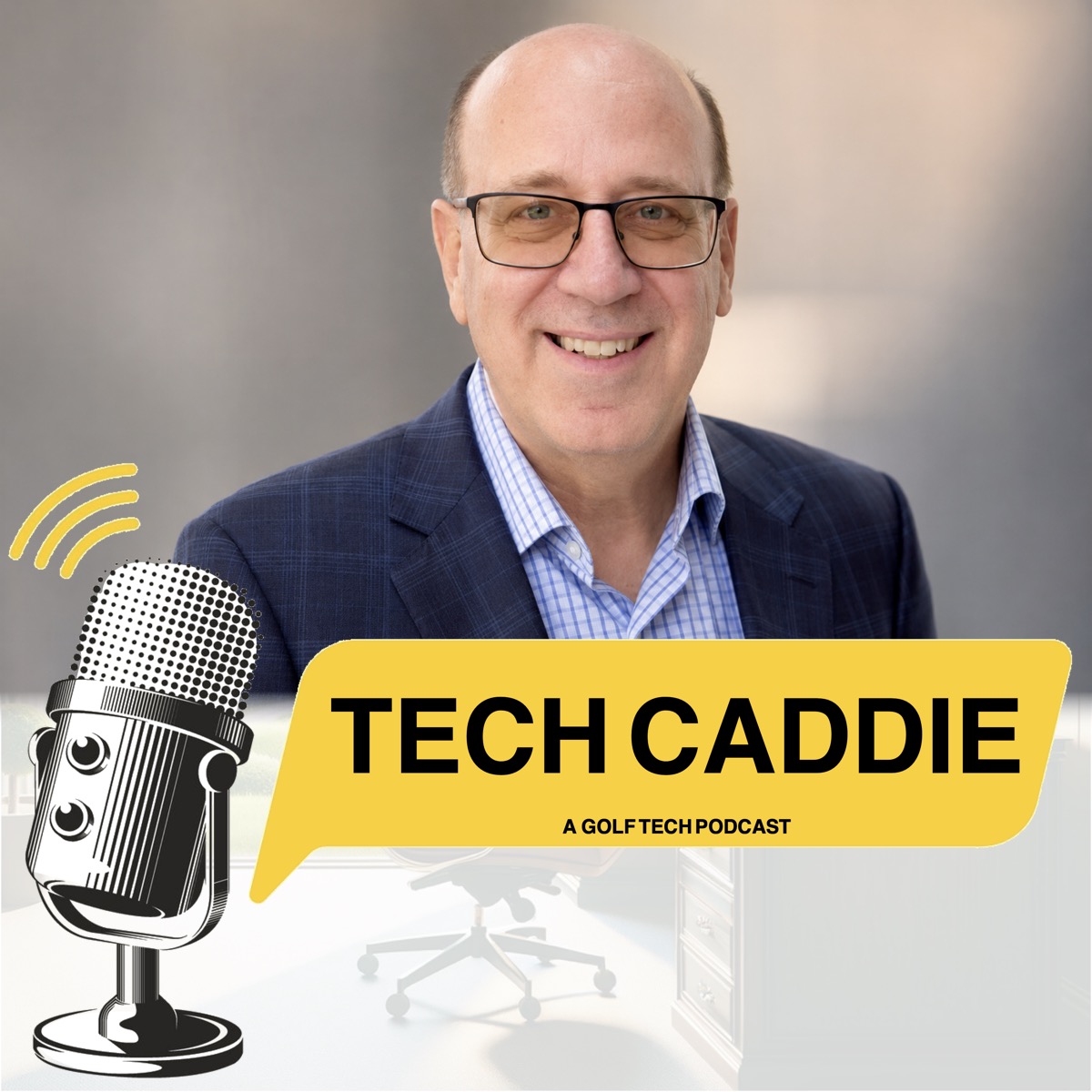
Jon Last joins Tech Caddie to unpack the NGCOA Business Pulse Report, the K‑shaped economy, and what current golf data says about pricing, technology, and golfer expectations.

Jon Last

53min


This Tech Caddie episode dives into NGCOA’s Business Pulse Report with data and insight from Sports and Leisure Research Group president Jon Last, covering rate increases, demand drivers, and how the K‑shaped economy is reshaping golf participation. Course owners and operators will hear practical takeaways on pricing, tech adoption, and the balance between frictionless and high‑touch experiences.
Get a free one-page RAI Snapshot: your Review Advocacy Index, average stars and rating mix from the last 12 months of Google reviews.
Get my free RAI SnapshotJon’s 4 E’s framework in the episode is:

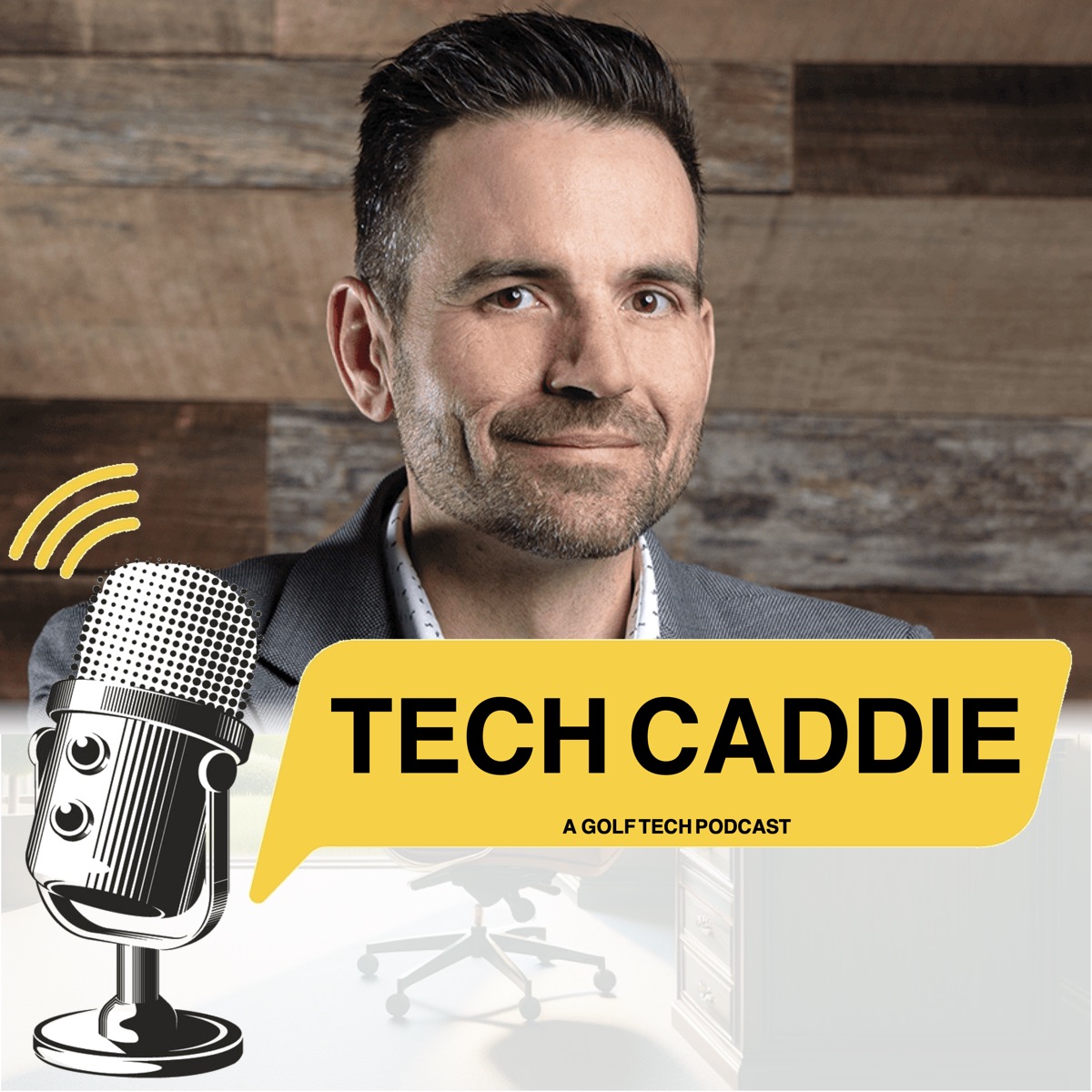
Metolius founder Ross Liggett — now VP of Data at Noteefy — joins Mike to unpack the acquisition, golfer data ownership, and where AI is taking tee time booking next.
Ross Liggett
51min

Golf District co-CEO Kevin Kalner breaks down the StubHub-style tee time resale platform disrupting golf booking — prepaid rounds, weather guarantees, and a new "unsolicited offer" tool that lets golfers bid on sold-out tee times.
Kevin Kalner
46min
Jon Last joins Tech Caddie to unpack the NGCOA Business Pulse Report, the K‑shaped economy, and what current golf data says about pricing, technology, and golfer expectations.
Jon Last
53min

NGCOA CEO Jay Karen joins host Mike Hendrix to talk association challenges, membership growth, booking engine performance, dynamic pricing, and how AI can help golf course operators finally “measure what matters” in their tee time business.
Jay Karen
48min

Connor Van Gilder, whose background is in product design for complex enterprise solutions at companies like Zonos and Entrata, explains why he believes the digital tools surrounding golf—the tee sheet and point of sale (POS)—must be as thoughtfully designed as the golf course itself. Vn Gilder, founded Trutee Golf.
Connor Van Gilder
49min

In this episode of the Tech Caddie Podcast, Mike Hendrix welcomes Southern California Golf Hall of Famer John McNair, VP of Golf Operations for JC Resorts. With 26 years at the helm and a portfolio of 21 courses, John shares the "silver bullet" behind their 24,000-member affinity program and why controlling your own data is the ultimate competitive advantage.
John McNair
51min
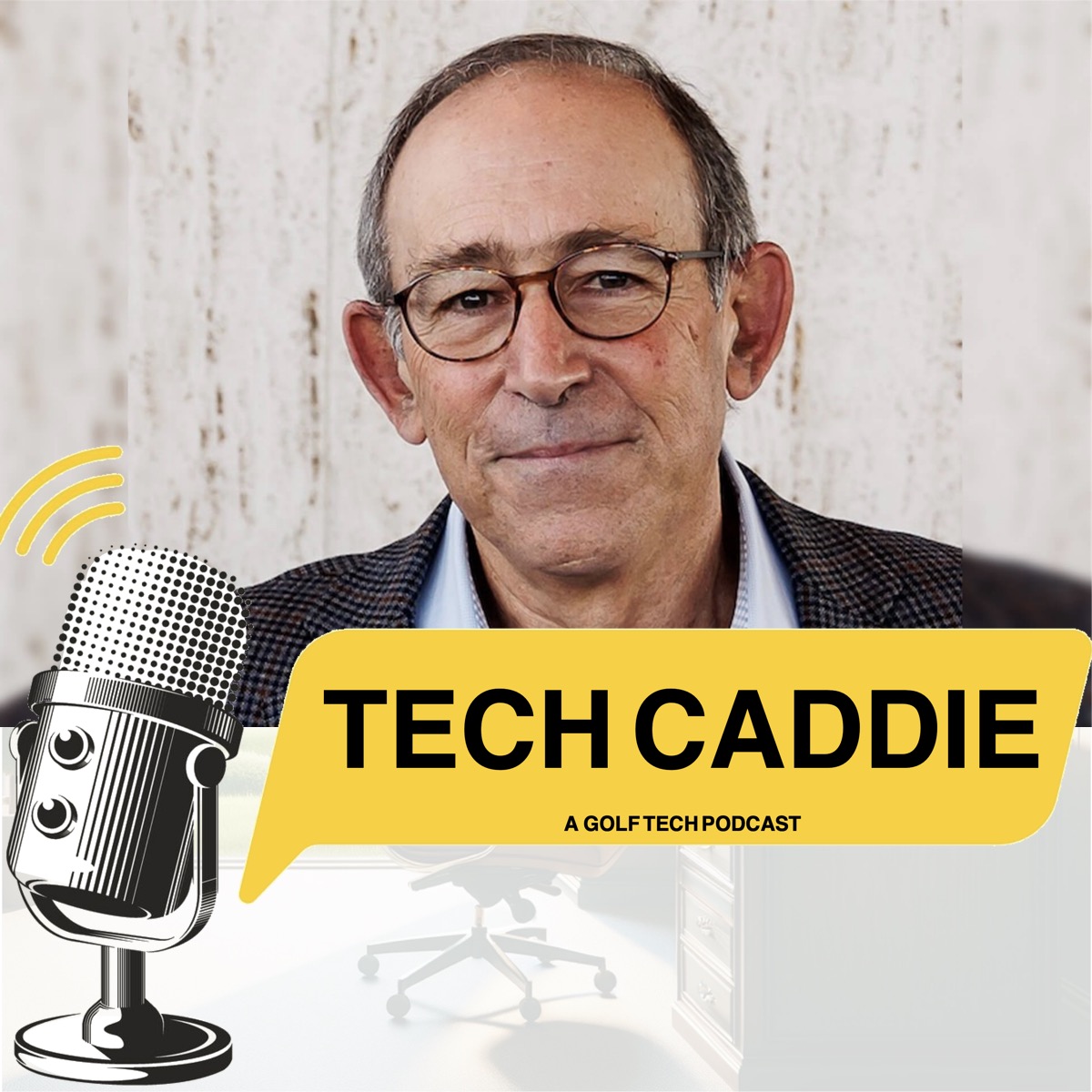
Tech Caddie sits down with Golf Genius founder Mike Zisman on building category-leading tournament tech—and what’s next: racquet sports and a possible liquidity recap.
Mike Zisman
1hr 2min
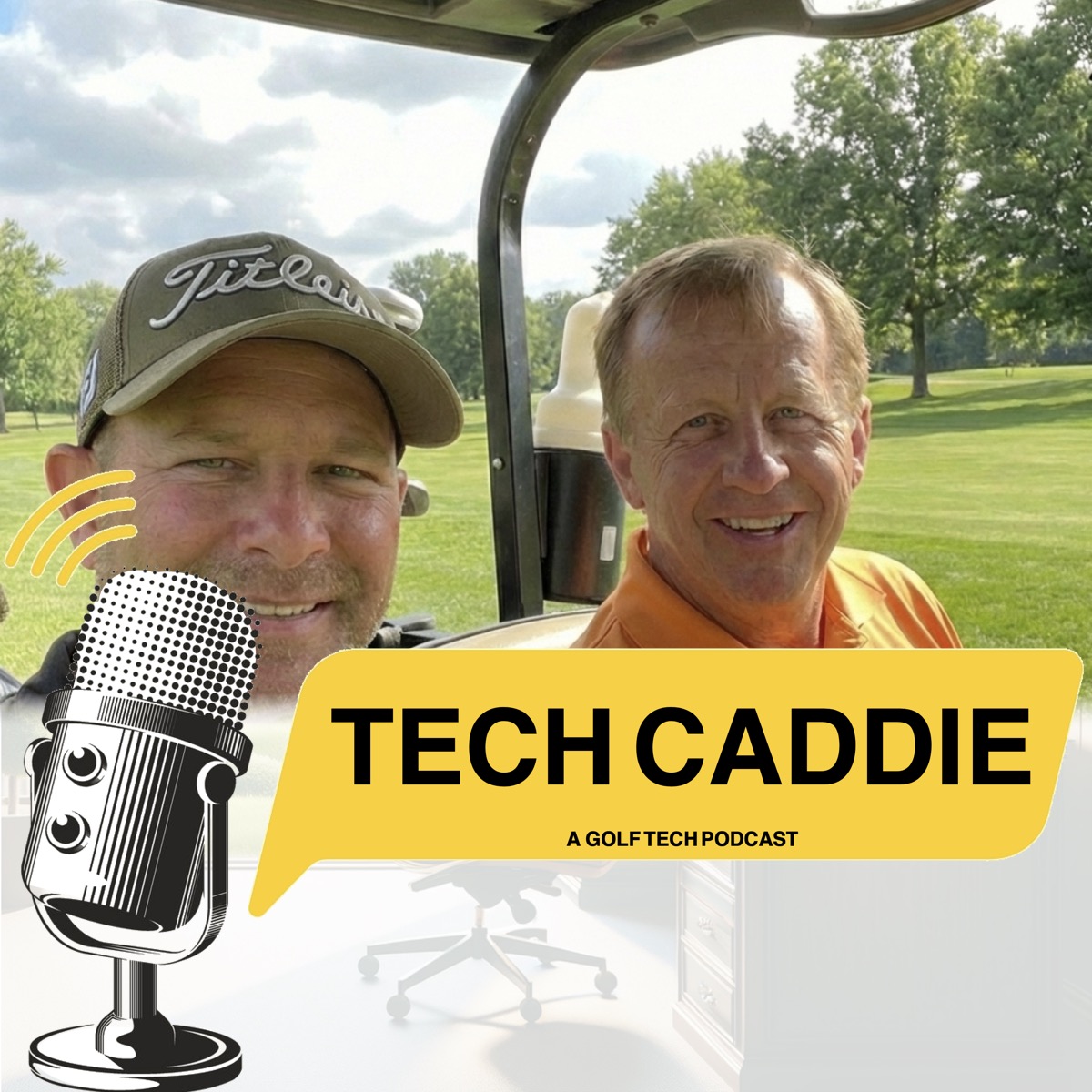
Primo Tee Times inside ChatGPT: live availability search, MCP explained, and what this means for golf course bookings.
Mike Dickoff & Jason Patronas
51min
Vache Hagopian joins Tech Caddie to explain why Jonas Synergy was built, who it’s for, and how long-term service, integration, and strategy shape better club technology decisions.
Vache Hagopian
37min
In this Tech Caddie episode, host Mike Hendrix (Founder & President of smbGOLF) sits down with Rusty Grimm, Founder of Rustic Golf Properties, to unpack one of the more practical—and fast-moving—growth stories in golf operations today: how Rusty went from buying one golf course to building a portfolio of six properties in Wisconsin.
Rusty Grimm
49min
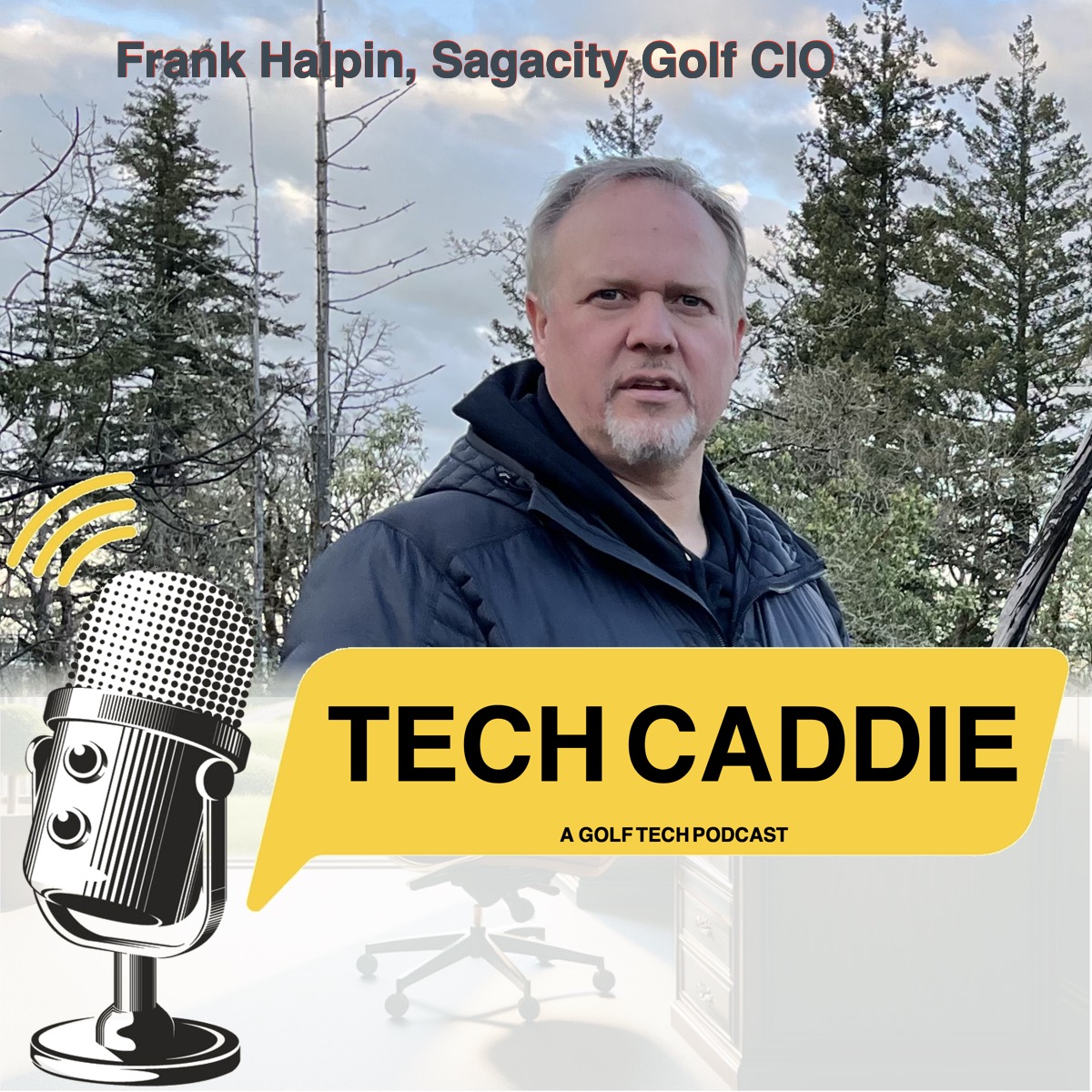
In this conversation, Frank Halpin, co-founder of GolfNow and CIO of Sagacity Golf, shares insights into his journey through the golf technology industry. He discusses the evolution of Golf Now, his transition into real estate, and the founding of Sagacity Golf, which focuses on integrating AI into golf operations. The conversation explores the future of AI in the golf industry, emphasizing the importance of technology in enhancing customer experiences and operational efficiency.
Frank Halpin
57min
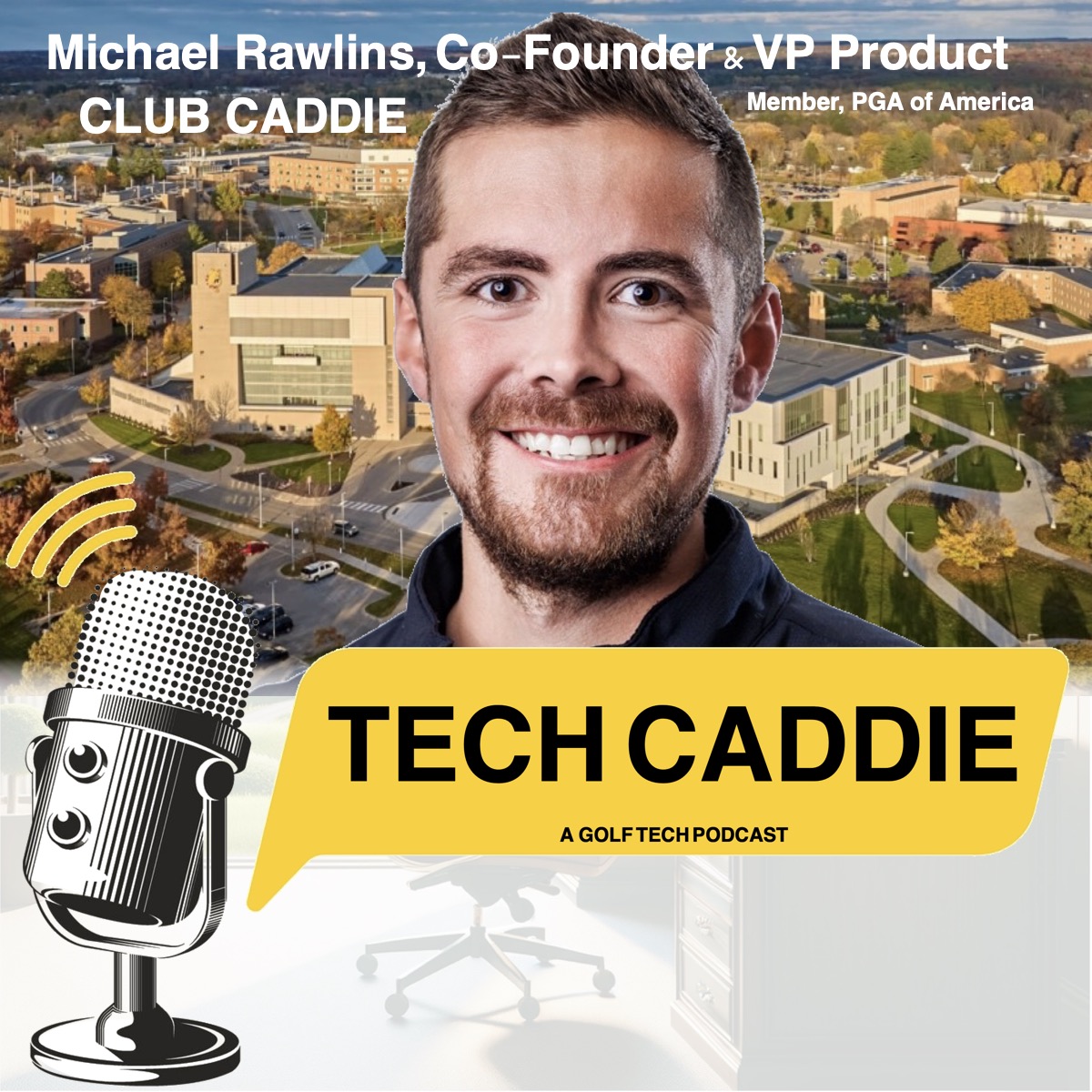
Michael Rawlins, Co-Founder and VP of Product at Club Caddie.Michael, a Class A PGA Member, shares the fascinating origin story of Club Caddie, from his early days as a PGM student at Ferris State to meeting CEO Jason Pearsall at Rackham Golf Course, leading to the co-founding of the company.
Michael Rawlins, PGA
49min

Mike Hendrix welcomes Bryan Lord, founder of Teesnap, one of the most disruptive forces in modern golf software. Bryan shares the full origin story: from the initial idea while at Purdue to securing major investment from Allegiant Airlines' Maury Gallagher.
Bryan Lord
57min

Mike Hendrix talks with David Clark, the founder of Easy Tee Golf. David shares how his product background at Capital One and Amazon shaped Easy Tee’s UX, why 50% of his customers are nine-hole courses, how Reserve with Google already drives ~13–14% of online bookings, why he shipped Waitlist before “squeeze times,” and what “default alive” meant for going all-in as a founder.
David Clark
52min
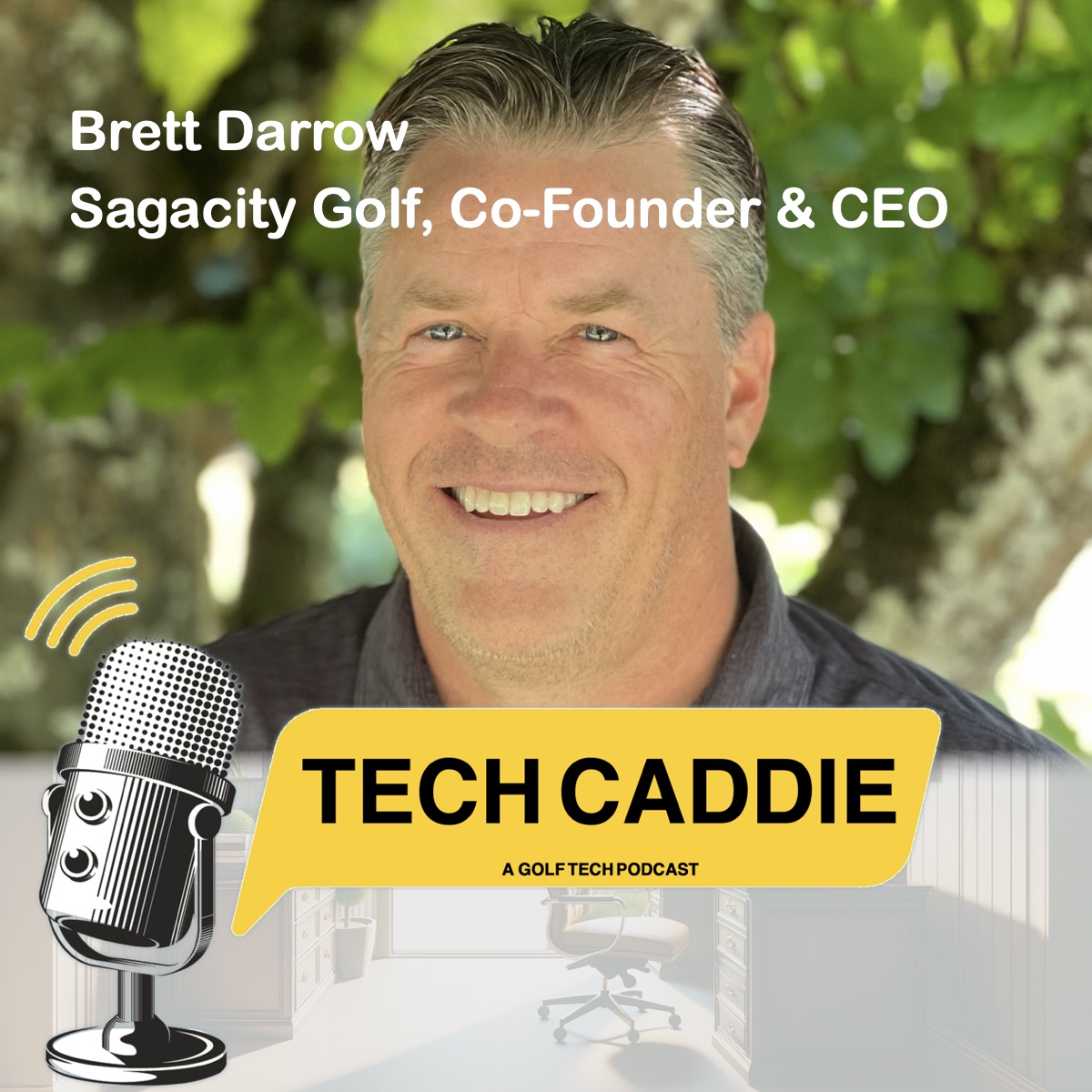
Mike Hendrix sits down with Brett Darrow, the visionary behind GolfNow and Sagacity Golf. Discover the untold stories of building and selling GolfNow, the challenges of innovation in golf tech, and the exciting future of Sagacity Golf's Yards app and advanced tee sheet solutions. A must-listen for golf entrepreneurs and industry enthusiasts.
Brett Darrow
60min

Can your golfers give feedback during the round? Real Time Feedback lets them text the shop in real time—no phone calls, no drama. Great for F&B, pace of play, and 5-star reviews. Hear how it works on the latest Tech Caddie podcast. 🎧 #golftech #golfbiz
Mike Terrell
45min

Zack Enriquez of Par 6 Media joins Tech Caddie to share how golf courses can show up in ChatGPT and Google Spotlight by improving their photos, metadata, reviews, and local listings to drive real bookings in the AI era.
Zack Enriquez
45min

Fraser Marriott, Head of Golf at Lightspeed Commerce, for a rare in-depth conversation about Lightspeed Golf’s growth, strategy, and vision. Fraser shares how a startup mindset still drives their team, why customer support is central to their success, and what’s coming next on their roadmap—including their Reserve with Google integration and plans to support both public and private clubs.
Fraser
46min

In this episode of the Tech Caddie podcast, Mike Hendrix is joined by golf industry veteran James Cronk—consultant, speaker, and co-founder of Golf Industry Guru. Together, they dive deep into one of the most overlooked areas of golf operations: e-waivers and risk management.
James Cronk
50min

Paul Sampliner shares his journey from growing up across the street from Highland Park Golf Course in Cleveland, to becoming a PGA golf professional, and eventually pioneering some of the earliest golf call centers and online tee time booking models while working for Marriott, Hilton, and later GolfNow.
Paul Sampliner
52min

2 Googlers join Mike for an honest conversation about when and why Google became interested in adding tee times to their results. They discussed the impact on golf courses not using an approved tee sheet, why some golf courses have more than one booking vendor available through search results and how long it takes for tee sheet and aggregator vendors to enable the Google integration.
Kathleen Oshima & Adam Jaffe
53min

In this episode of the Tech Caddie podcast, Mike Hendrix interviews Jake Gordon, co-founder and CEO of Noteefy, a company focused on demand technology for golf courses. They discuss the challenges faced by golf operators, particularly the issue of no-shows and cancellations, which lead to significant revenue loss.
Jake Gordon
55min

Nick Anderson joined the Tech Caddie podcast to share his impressions of the 2025 PGA Show and provide updates about his tee sheet and point of sale platform, MemberSports.
Nick Anderson
49min

In this episode of the Tech Caddie podcast, host Mike Hendrix chats with Martin Ort from Desert Canyon Golf Club about how his family-run course has embraced technology to stay ahead. From video game design to managing one of Arizona’s most tech-forward golf courses, Martin shares his unique journey.
Martin Ort
41min

In this episode of the Tech Caddie Podcast, host Mike Hendrix dives into the transformative power of golf course data with Bodo Sieber and Craig Kleu, Co-Founders of Tagmarshal. Learn how Tagmarshal is helping courses optimize pace of play, improve golfer experience, and boost revenue by capitalizing on dynamic pricing opportunities and expanded tee time inventory.
Bodo Sieber & Craig Kleu
42min

In this episode of the Tech Caddie podcast, Mike Hendrix interviews Jason Wilson, founder of Gallus, a company that provides mobile app solutions for the golf industry. They discuss the evolution of Gallus, the importance of mobile apps for golf course operators, and the essential features that make an app valuable.
Jason Wilson
53min

In this episode of the Tech Caddie podcast, Mike Hendrix interviews Chad Wright from Deer Ridge Golf Club about their recent technology transition from ForeUP to Sagacity and Toast. They discuss the challenges faced with ForeUP, the benefits of the new systems, and how they integrate operations for a better customer experience.
Chad Wright
50min

Watch as Mike and Chad explore the booking experience when using Lightspeed Golf in a desktop environment. Chad provides a pro tip in using Golf EMS to simply his events and golf packages operation and learn why Chad opted to leave foreUP and Sagacity Golf in favor of Lightspeed.
Chad Pettingill
40min

In this episode of the Tech Caddie podcast, Mike Hendrix interviews Jonathan Wride and Jarrette Schule from TenFore Golf. They discuss the origin story of TenFore, the challenges faced in developing golf management software, and the importance of user experience. Jonathan opens up about how he co-founded Supreme Golf with Ryan Ewers and the journey that led to Jonathan leaving Supreme Golf to help Jarrette build TenFore Golf.
Jonathan Wride
1hr 10min

In this episode you'll meet Jay Snider who built a simple tee sheet and email tool for his country club, to help keep dues down. Today, Proshop Tee Times has become a robust point-of-sale, tee sheet, member management solution for a wide variety of golf courses.
Jay Snider
52min

In this episode of the Tech Caddie podcast, Mike Hendrix interviews Rob Smyth from Cobalt Software, discussing his journey in the golf technology industry, the evolution of Smyth Systems, and the impact of family-owned businesses on company culture.
Robb Smyth
1hr 11min

CourseRev is a voice reservation system for golf courses that uses AI technology to handle tee time bookings over the phone. The system can integrate with tee sheet systems like Lightspeed and Club Prophet, allowing golfers to make reservations, join waitlists, and receive directions to the golf course. The system has surpassed online reservations in terms of volume and has handled more than 75-80 calls per day for a course. CourseRev is a game changer in terms of labor costs and customer experience.
Manna Justin
52min

Colin Read, co-founder of Whoosh, discusses his background in golf and entrepreneurship, as well as the challenges and opportunities in the golf tech industry. He emphasizes the importance of improving member and guest experiences, as well as staff workflows, through technology.
Colin Read
48min

Mike Hendrix interviews Scott Mingay from the USGA. They discuss the development of the GS3, a golf ball that measures green speed, smoothness, and firmness. The GS3 is used by golf course operators and superintendents to improve the playing experience and make data-driven decisions about maintenance practices. The conversation focused on the GS3 ball and the Deacon course management system. The Deacon platform is a cloud-based system that integrates data from various sources to help golf course superintendents make informed decisions.
Scott Mingay
58min

Menno Liebregts, founder of Golfspot, discusses the challenges of managing customer data in the golf industry and the need for an integrated solution. He shares insights on the company's journey, customer base, funding, and expansion plans. The conversation highlights the importance of open platforms and the impact of data on decision-making in the golf industry.
Menno Liebregts
37min

Jason Pearsall, the founder of Club Caddie, shares his journey of building the company and the importance of understanding the day-to-day operations of a golf course. Jason has the unique perspective as a golf course owner as he purchased Warren Valley Golf Course in 2022. Club Caddie started as a food and beverage delivery system called Golfler, but quickly evolved into a full clubhouse management software. Pearsall's experience as a golf course owner and operator have allowed him to build a product that solves real problems for golf course operators. The company has experienced significant growth and success, winning deals with management companies and continuously improving their product.
Jason Pearsall
1hr 11min

Kevin Fitzgerald, Assistant Director of Public Affairs for the Southern California Golf Association, provides an update on recent meetings regarding the implementation of a pilot program for golf tee time bookings in Los Angeles. The Golf Advisory Committee and the Recreation and Park Board of Commissioners both endorsed the staff recommendation for a $10 non-refundable deposit per player when booking a tee time.
Kevin Fitzgerald
34min

Jon Schultz, founder of ezLocator, discusses how their solution helps superintendents find the daily optimum hole location and enhances communication within a golf facility. ezLocator now include AI to improve the customer experience.
Jon Schultz
35min

In this episode of the Tech Caddie podcast, Mike Hendrix speaks with Kevin Fitzgerald, the Assistant Director of Public Affairs for the Southern California Golf Association, about the intersection of golf and public policy. Included is the TikTok video from Dave Fink which helped expose the gray market on the KaKao app, used by hundreds of golfers to score the best tee times available at the LA City municipal golf courses. Aaron Gleason from Golf Geek Software, discussed their solution called FairPlay Guardian, which uses machine learning to detect fraudulent activity in tee time bookings. Matt Holder from Loop Golf emphasized the need for operators to understand the pricing pressure and revenue management opportunities in the golf industry.
Kevin Fitzgerald, Aaron Gleason, Matt Holder
54min

Aaron Gleason discusses the issue of reselling tee times at LA City Golf courses and how Golf Geek's FairPlay Guardian technology can help detect and prevent fraudulent activity. He also spoke about the importance of knowing the conversion rate of a booking engine and how marketing automation can help increase revenue.
Aaron Gleason
29min

Mike Hendrix and Kevin Fitzgerald, the Assistant Director of Public Affairs for the Southern California Golf Association have a conversation about golf in Los Angeles. They discuss the role of the advisory board for Los Angeles City Golf Courses and the intersection of golf and public policy. They also peer into the issue of reservation systems and online brokers in the golf industry and specifically the City of Los Angeles.
Kevin Fitzgerald
43min

Matt Holder from Loop Golf joins the podcast to discuss Loop Golf. Matt talks about the early days for Loop and mistakes made along the way. Mike and Matt go into detail about tee time scraping and how Loop helps golf courses.
Matt Holder
29min

Don Rea joined Mike Hendrix on The Tech Caddie podcast for a conversation about the technology Don uses to run the golf course he owns in Mesa, AZ - Augusta Ranch Golf Club. Don is the VP of the PGA of America and he speaks about operating technology from that perspective and from his knowledge gained as a podcast host with Jay Karen, the Executive Director of the NGCOA.
Don Rea Jr.
48min

Del shares his background as an entrepreneur and his life in golf. He discusses the history of Seven Jars Distillery and the discovery of buried treasure on his family farm. Del talks about entering the golf business and the importance of technology in the industry. He shares his experiences with EZLinks and Fore Reservations, as well as the development of Kodology and Pitch CRM.
Del Ratcliffe
1hr 6min

Morgan Kimmins from Springfield Golf Resort in Chandler, Arizona discusses their use of Lightspeed technology and the impact it has had on their business. He highlights the benefits of Lightspeed's punch pass feature and the ease of use of their booking engine. He also discusses the importance of communication and the use of technology for frost delays. Morgan emphasizes the value of support and training provided by Lightspeed and the positive experience they have had with their customer service.
Mogan Kimmins
42min

Dave Vanslette, Founder and CEO from FAIRWAYiQ discusses the evolution of the company and its focus on data and automation in the golf industry. They have developed hardware sensors and software solutions to optimize golf course operations and enhance the player experience. They are focused on reducing friction and improving efficiency in the golf industry through AI and automation. The company has a strong customer support system and aims to provide value to golf courses of all types
Dave Vanslette
51min

Brendon Beebe, former CTO of foreUP, discusses his experience in the golf industry and building a successful company. He emphasizes the value of bootstrapping, hyper-focusing on specific market segments, and building a flexible system to meet the needs of different golf courses. At the end of the episode, Brendon asks Mike about how he would compete with GolfNow if he was to build a tee time aggregator and how he would use GolfNow if he was a golf course owner.
Brendon Beebe
51min

Allison George, a golf course owner and operator, discusses her experiences with various technology platforms in the golf industry. She shares personal updates, including her involvement in the golf industry and her use of technology in her golf courses.
Allison George
55min

Noteefy is a waitlist software that aims to help golfers play more golf and golf courses make more money. The product allows golfers to set their preferences for tee times and receive alerts when those tee times become available.
Dathan Wong
36min

Tyler Arnold, CEO of Eagle Club Systems, discusses the company's golf management software and its success in the industry. He highlights the flexibility and simplicity of their system, as well as their focus on customer support.
Tyler Arnold
35min
Mike Hendrix (00:00)
Hey everyone. My name is Mike Hendrix, president of smbGOLF. And today my guest is Jon Last, president and founder of Sports and Leisure Research Group. And this is the Tech Caddie Podcast.
Jon, welcome to the pod.
Jon Last (00:27)
Good to be here. Good to see you again. I feel like, you know, we we we we met initially as as young children in the industry and and now we're what, old elder statesmen? I'm I I'm embarrassed to admit that.
Mike Hendrix (00:36)
Yes. We definitely have known each other for quite a while. We, you know, you there's a lot of us that get on these circuits, right? And you end up at this conference or that conference. I think the last time I saw you face to face was at ⁓ TechCon, maybe in in Dallas or outside of Dallas.
Jon Last (00:54)
Exactly. Yeah.
Mike Hendrix (00:55)
And so I'm glad I'm super glad to have you on the podcast. You have a podcast as well. And so I always tell people this isn't I'm I'm not competitive at all with my podcast. I'm just trying to have as many good conversations as I can have. So I'm glad to have you on.
Jon Last (01:10)
Likewise. Yeah, I've got to have you back on mine as well. We we've got to set that up after this.
Mike Hendrix (01:14)
⁓ so so the reason that I reached out, you know, the what what's most relevant today, that type of thing, is you guys just pushed out your pulse report. I think of it as the the golf business ⁓ pulse report, but if you guys have a different terminology, that's fine. but it but it's it's it's in conjunction with the NGCOA, I think is the right way to say.
Jon Last (01:35)
Yeah,
they it's the it's the NGCOA business polls report. We've been fortunate enough to partner with them on that for the last four years. And it's it's clearly one of our favorite analyses that we do, particularly because so much of our work is custom that this is something that gets shared out with the whole industry and hopefully has some really strong insights and implications for facility operators and owners and those obviously working within that space. So it's it's it's always a great opportunity to see what's on the mind of of people that are running golf facilities.
Mike Hendrix (02:02)
So this report is thorough for people that haven't seen it. This is over 50 pages. there and and we'll get into some of the methodology. As you understand it, it's free for NGCOA members. But I think I think if you're just if you're just like some guy on the corner, you don't necessarily just get this report for free. You've got to have some kind of connection to the NGCOA or maybe a business connection with you guys. But I
Jon Last (02:26)
Yeah,
I bel I believe, you know, the NGCOA does offer it up on their website and I believe if you're not a member you can purchase it ⁓ for a pretty nominal fee. but that's that's you know certainly something that that I know a lot of people do often do. So
Mike Hendrix (02:39)
Yeah, yeah. I bring it up because I like to make the point, you know, there's a compensation report that came out a few months ago that the NGCOA, you know, I'm sure they partner with someone on that. It's a meaningful compensation report, an in-depth look at at what different job titles get paid in the industry. Then you have this pulse report, which is a long way of me trying to make the point of.
If you know your members your annual membership to the NGCOA is 500 bucks or something like that, those two reports alone are worth way more than $500. and so I just I throw a little shot out there, just the value of this membership, the NGCOA membership, and then your local state membership, which comes along with it, is I think it's the ROI is incredible for something.
Jon Last (03:25)
Yeah, so I you know, I I I it's it's been so refreshing over the years and and you and I have both kind of attacked it from different angles that to see the industry getting their arms around information and data in ways that certainly wasn't prevalent when when we first got into the business. And it's it's you know, I think it's it's shown itself in in some of the operating success that the industry has been enjoying, particularly over the last five or six years.
Mike Hendrix (03:48)
For sure. the the your methodology, this is ⁓ I think it's about 200 or so golf courses, if I have that right.
Jon Last (03:55)
Yeah, it's it's slightly over 200 facilities, members of the NGCOA that that complete a pretty comprehensive survey. And then ⁓ we sub supplement and augment that with about 20 additional depth interviews with facility owners and operators from all different swaths of the industry, large MCO executives down to to single facility operators. And it gives us, you know, a real good comprehensive 360 degree in terms of both
what the emotive side of it is as well as the empirical side of it. And, you know, I can certainly talk about sampling tolerances and sig testing. I've I've not I've not found too many people in the research business that want to go there, but as a former president of the MRA and and a former president of the MRII, I I can certainly put the propeller on my head if that's necessary. We we we just suffice it to say that it's it's rigorous and where there's significant changes, we call them out. And that's what, you know, particularly now, four years into this initiative has has really helped
make it interesting even more interesting because you see the emergence of different trends and you see the way people, you know, things are kind of moving in terms of attitudes and perspectives and behavior.
Mike Hendrix (05:00)
Yeah, agreed. And and for people that don't know, ⁓ Jon's got a really successful background at Condé Nass. I mean, really, that's golf digest. I think you were you were intimately involved with golf digest.
Jon Last (05:11)
Yeah, I was there for eight years running, you know, this is what this company spun out of, believe it or not, eighteen years ago. But for eight years we ran a a full service research and database division within the golf digest companies, working not only to support the assets of that organization at the time, but also to to work directly with a number of key stakeholders in the golf industry. And and that's what spawned this company eighteen years ago. And
Go back even further than that. I spent eight years at the P G of America on staff kind of helping to build up their database and research capabilities as well. Right, right.
Mike Hendrix (05:42)
I were I ⁓ am friends with Kevin Scott. He's the CTO at PJ of America. Today, what they have done, and I think I think some of the stuff isn't ⁓ you know, all for public knowledge, but the database that they have built and the advancements that they've made, somebody from like you has got to be proud of like early days to where it got to now is really impressive.
Jon Last (06:04)
Yeah, no, I mean I always joke around with my friends at PGA of America that I still bleed blue and gold. And it's it's it's I I literally remember some of the initial proposals that we made about taking all these disparate lists and beginning to cobble them together and find similarities and begin to model them. And yeah, it's we've we've come a long way. It's it's nice to see.
Mike Hendrix (06:25)
We have. I I agree. and I think you're a New Yorker.
Jon Last (06:27)
I am. I yeah, born and bred. It's well, I'm a med season ticket holder, but I have a son who works in the in the front office of the Red Sox, so I'm really conflicted.
Mike Hendrix (06:30)
Mets or Yankees?
You were very conflicted. Okay. Giants or Jets?
Jon Last (06:40)
Tennessee Titans, my favorite team of all time, have given me so much grief. It's
Mike Hendrix (06:45)
Let
all of that go. We'll let all of that go. I'm originally from Elmira, New York, went to high school out just outside of Manhattan, and ⁓ and for what it's worth, a huge Yankees fan with three baseball kids in my house, now young men that have never well, they've seen one world championship. And so I I I'm I wait for the day that all of my sons can live through the early nineties again, ⁓ if we can ever get back there as well
Jon Last (07:11)
You may. I was actually at the Yankee game this past Saturday. It wasn't a good game for the Yankees. It was not. But you know, it was it was still good to see, you know, that roster. I I put it this way, they they look a lot more promising than the Mets do, that's for sure.
Mike Hendrix (07:23)
And that roster is depleted, like there's no tomorrow right now. So we'll see exactly. We'll see what happens. Okay, so let's get into this report because I actually had Jay Karen on my podcast last week and we talked about this report a little bit. Kind I I was I was like only two or three hours into reading it, and so I didn't want to go deep into it with him because I I didn't feel like I really knew the report inside and out, and I wanted to get to that place, but
I mean, it didn't take me more than an hour, Jon. And I thought, okay, we have to talk about this because the data in here, it it's it's like a you mentioned right before we turned on the recording, it's like a tale of two cities. There is some data in here. One example would be 90% of facilities have raised their rate in the last year, right? That's a and by the way, kudos for you to be able to generate data like that and share that with them. I that that's awesome to have that, but then in
Operators in rank in the low 70s, so well beyond a half of operators, the vast majority of operators are worried that we're gonna price the golfer out of golf. So explain that to the audience, Jon. Like how can those two things exist at the same time?
Jon Last (08:33)
So there's a lot of factors that drive that. And and you know, I see a statistic like that. And because we also pulse consumer attitudes across a number of discretionary luxury purchases, it wasn't, it's not surprising or even contradictory when you think about the dynamics behind it. So let's unpack that a little bit. When I when I talk about the dynamics behind it, the first thing is that for people who may or may not be familiar with the term of a K-shaped economy, that is what we are living in now. We have
inordent amounts of data across a lot of the other tracking work that we do that shows this widening gap between the haves and have nots in society. the people on the upper end of the K obviously continue to have the means with which to spend and and to actualize against their passions. Those on the lower end of the K less so.
Mike Hendrix (09:21)
And let me just let me jump in there for a second. So literally for people watching, like a K, right? You've got K one part of a K goes up, one part of a K goes down. You tell me if I'm wrong here, and I could be wrong, but like think of it like this the stock market continues to improve associated with the stock market, and they kind of go along on that ride, et cetera, et cetera, up, up, up. But I if I'm not mistaken, consumer confidence actually continues to go down.
Jon Last (09:37)
Yeah, hit a hit an all time high today again.
Mike Hendrix (09:48)
There's this growing gap of of these of these data points.
Jon Last (09:53)
And and and there's a few other things that are driving this, not all of it particularly healthy for the economy in a long-term perspective. You are concurrently witnessing levels of consumer debt that we haven't seen in in decades. We are also at the cusp of what economists have quantified as about a hundred and six trillion dollar intergenerational wealth transfer.
Mike Hendrix (10:15)
I noticed that in the report. People
Jon Last (10:16)
are
spending it forward. We we asked, and this is interesting because this sentiment is more amplified amongst younger generations of Americans, people who believe that during their lifetime they either have or will inherit meaningful amounts of money from prior generations. So you have those factors that again kind of allow the juxtaposition of people saying, gosh, things are
Really questionable and not necessarily going so well, or they're waiting for the other shoe to drop, but they still feel immune from it because of certain circumstances that they've put themselves into or see themselves going into. There's also from a attitudinal and perceptional standpoint, we talk a lot about what I call the the four E's, and it's in the report. It's it's it's a construct that we use.
To really dive deeply into what's driving this behavior, despite the fact that there are concerns. And I'd love to spend like about two minutes just unpacking that for the audience.
Mike Hendrix (11:20)
We'll go through the four E's if you would and and we'll we'll even put this up in the show notes.
Jon Last (11:24)
Yeah.
Okay. So so obviously, you know, we all were used to hear about the four Ps of product, place, promotion, and price. The four E's start with one that is called emotional connection. And what that really references is that with all this warp speed adoption of technology and automation, people are seeking out more social experiences, more opportunities to have a kind of intimate experience that
Golf certainly provides. So so this certainly makes people want to gravitate. You know, 47% of Americans that we surveyed said that they feel lonely very often. 63% of those 35 to 44. That's that's a powerful stat. So there's that. The second E is what we
Mike Hendrix (12:04)
Right.
Let me just let me put the the that smaller demographic you just mentioned. What was that age range again?
Jon Last (12:16)
thirty five to forty four year olds.
Mike Hendrix (12:18)
Which
is where we see a ton of growth in golf right now. Exactly. It's interesting, right? It's yeah.
Jon Last (12:24)
The
sweet spot. And you know, so you know, and and you think about, you know, everybody talked about the golf participation jump and being driven a lot by COVID and finding an activity that checks all the boxes for safety and socialization. And that's where a lot of the growth came from. The the the second e-component kind of falls into that too, and that's experiences. So, you know, when we ask people about whether it's important for their life to include a number of unique experiences.
That number has consistently gone up over over recent years. It's it's been up four it was up fourteen points from last from two December's ago to this December.
Mike Hendrix (13:01)
Which
is not right. Fourteen points the government.
Jon Last (13:04)
And more than half of younger adults there as well. So people are equating, you know, where they actualize from based a lot on experiences. The the the third of the of the four E's is what we call eagerness. And that's about living for today versus tomorrow, right? We talked about that a little bit in terms of the spending at forward. There's you know, that's up nine points from November of 2024. Those who
Believe that their life philosophy is more about living for today than it is about living tomorrow, has gone up to two-thirds from 57%. And you know, when we most recently asked in our monthly consumer optimism barometer whether people felt they needed a vacation, more than three-quarters of people strongly agreed with that. So there is this eagerness, you know, is that driven perhaps by let's do this now while we can, because you know, things are coming to a horrible conclusion, or is it also just because there's a feeling that
You know, we want to take advantage of where we see ourselves. And that's
Mike Hendrix (13:59)
Let me jump in on the eagerness too. And we don't we rarely get political on this podcast. Okay. But considering what we've seen recently with election results in New York and then Colorado, this move that people talk about, the this this you know socialistic democrats, if you will. If you are more if you think about today much more than tomorrow, then a free grocery store today.
Sounds okay, because you really don't care how it's going to get paid for tomorrow. You're living for today, which can help explain some of the people rationalizing some of these votes that we've seen recently.
Jon Last (14:35)
Yeah, and and I mean and you could take it from the other side too and say, you know, if you're afraid that your money is gonna be taken away from you to pay for those free grocery stores, well, let me spend that money today. Well, I still have Yeah, I I yeah, we we do a fair amount of work in DC and and again we're nonpartisan and obviously being objective researchers, but but it is amazing, Mike, to see in in our monthly barometer the dichotomy of response about issues.
Mike Hendrix (14:46)
Yeah, right.
Jon Last (15:01)
From from both sides of the aisle. The gap between those perspectives is incredible. In fact, we just finished, you know, our most recent late June wave, hasn't even been published yet. And there's stuff in there about what you just were talking about. It's incredible. I'll share one piece that hasn't been released from a general standpoint. We ask people whether they understand what each of the two political parties stand for. This is a real scary one.
And both when you're asking Democrats and Republicans about the parties that they affiliate with, we've seen a marked decrease in people from both sides of the aisle understanding what their parties stand for. So again, it's this this trepidation that certainly can be part of the eagerness side. But there's one other piece, the final E, and and you know, to put a bow on it, which I think is also in lockstep with what we've been discussing.
And that E is entitlement, right? We always talk about entitlement. It's it seems to be easy to associate that strictly with younger adults. It's not the case. It's that way across the board. It's it's not just that people are saying they need a vacation, they're also very strongly saying that they deserve a vacation. They're saying that society is more selfish than in the generation before, regardless of how old they are.
Mike Hendrix (16:06)
Right.
They are.
And and that, and by the way, that entitlement, even I believe, can impact pace of play. I'm entitled to take 30 minutes to get through this par five if that's what it's going to take. And I think as I talk to operators around America, I hear a lot of people, you know, belly aching, if you will. Pace of play has gotten worse. We think it's a societal issue. Now, I will also say this: I'm
I think I play fast because my father taught me to play fast. And I think there's a whole bunch of people in golf today whose dads didn't teach them to play golf. Yeah. And so I think you have to factor that into. But the this concept of entitlement, and if I don't put the divot back, that's my decision. You know, I don't owe it to anyone to replace my divot. I decided not to replace my divot.
Jon Last (16:59)
Yeah, no, and you're right. And I and I think there's also that real dichotomy in how the game is experienced at different facility types. I mean, again, like you, I'm a fast player. I played a two hour and twenty-five minute round this weekend. Granted, it was at six forty-five in the morning, I was do sweeping, but I zipped. And then, you know, later in the day, obviously that that that had gone out the window at the facility that I play at. But but yes, there is there's just, you know, it and it can come from a number of different places to kind of
Google right circle back to where we started on this on this particular topic. Whether it is a feeling that this is a, you know, from some people's perspective, it's a feeling that I've earned this, I've dealt with a lot over the last four or five years or dealing with it now. So I'm gonna look for myself. Or it's a feeling that, hey, I don't know how much longer I'm gonna have to really enjoy things because things are tenuous, or maybe it's a feeling that, hey, I've risen above that. So here I am. Those are all factors that.
Mike Hendrix (17:51)
Yeah.
Jon Last (17:54)
we feel from an emotional and attitudinal standpoint drive this kind of behavior and can drive that somewhat dichotomous perspective between, hey, yeah, people are are willing to spend more, but you know, they also recognize that the lower branch of that K may not be able to sustain it. And that's where in our conversations with facility operators as well as in the in the the research itself.
That's where people are concerned. That's where the softness is is is showing up. Because do you get to you know, we we certainly know that what is being developed in golf right now in terms of new facilities tend to be very aspirational places that are catering to a select population, a very narrow and small population. What about that lower end, which were among some of those that discovered the game five or six years ago that were trying to sustain? So I think that, you know, again to the point, well, it's it's
you know, this issue, this dichotomy maybe not affecting me because I know my target or I'm, you know, immune from it. What about the people that are servicing those that are a little bit less price elastic? Right. What's going to happen to them?
Mike Hendrix (18:56)
But but it but seemingly the operator has not reacted to that. Again, I go back to because ninety percent of operators say they raised the rate in the last twelve months. Right. Yeah.
Jon Last (19:06)
Don't forget, I know Jay Karen probably would have said the same thing. We in some ways we're making up for lost time, right? Because we hadn't for so long. We're also, you know, we there there's there's a school of thought that I do subscribe to that we're still kind of have reached an equilibrium, if you will. I mean, we know the industry was oversupplied after the last boom, and now it's finally still net down and and and writing itself. So, you know, the question is: can that equilibrium be balanced? And who is the target customer?
Mike Hendrix (19:13)
Yeah.
Jon Last (19:35)
You know, obviously we speak all the time, you know, because we do so much custom stuff about taking a hyperlocal approach. So as much as the fact that I love looking at national trends and regional trends, so much of this is specific to what your competitive set looks like in your locality. And obviously that competitive set goes beyond golf. It goes into other leisure activities that are competing for discretionary time.
And I say time more than money because in some respects that's become a more precious commodity. And don't forget, COVID taught us taught us how to better use our time. You know, we're still seeing a much smaller percentage and incidence of people that are working five days a week. So from a day part, you know, in an office. So from a day part standpoint, that's provided greater opportunities for yield management and optimization of yield on facility rates and fees.
Mike Hendrix (20:25)
Yeah. What's the biggest competitor? This is a little off topic, but ⁓ what's the biggest competitor in to golf in relation to time? What like when when you think of like if I'm if I own a golf course, I'm gonna compete with X for time. What what what are those things that come to mind?
Jon Last (20:41)
I think it varies where you are and what your life stage is and what your situation is. I mean, we've all talked about, you know, the golf widow or the golf orphan. And depending upon whether a family is enjoying the game together, which thankfully we've seen more of an emphasis on in the marketing of the game and in in the way that facilities are offering up programs. So I think in those instances where there's disparate activities that families like to choose beyond the golf course, that can be competitive.
you know, I see that and and and I see you know other very specific instances in different markets, you know, travel or discretionary travel can be obviously if you're a golfer, you travel and and golf travel incidents has has gone up too. We were just actually just speaking with a client about that this morning from the resort industry. but in those cases where things are looked upon as mutually exclusive, that's where you sometimes, you know, run into some challenges.
Mike Hendrix (21:32)
Yeah. Do you do sports and leisure group? Do you do work in bowling or hiking? Like are you working in other industries?
Jon Last (21:40)
Yeah,
we t I mean we touch we touch most major sports activities and leisure activities. We do a lot of work in the travel space. We we represent the airlines and resort developers with with a lot of work that we do in those areas. so you know one of the great things about this optimism barometer that we started during COVID and we do every month is it's given us a context that I feel we've we've been fortunate enough to be able to apply to a lot of the insights that we draw out in golf. So
it you know, maybe even as recently as 10 or 15 years ago, it's very easy for the industry to just see themselves very insertly and look at themselves, you know, course versus course. And I've often maintained you've got to think about other means through which people are spending that time and money. And, you know, this has afforded us a lens to do that, to look and see. I mean, you know, there there are obviously certain activities like that, you know, we've also worked in like, you know, casino gaming and and and obviously professional sports and spectator sports that
also compete for that time and discretionary dollar and to be able to look at everything in in in a broader sense I think has really informed a lot of what we've shared in this report and in some of the other work that we do.
Mike Hendrix (22:46)
So you know, we on this podcast, we tend to talk about the technology that operators use to run their businesses. And one of the things that stuck out to me in the report was but but it's it's somewhat
Rolled into an AI section of the report. So I kind of wanted to talk to you about it and see if maybe I can make sense of it, but I'll just read it to you. just a third of all respondents strongly prefer to buy things through a digital app than in a store, with only 24% of those over the age of 45 preferring in app purchasing. And I have to say, well, one a bit surprising.
But to my when I read that, my mind immediately went to why. Because my understanding of people today in 2026 is that they actually prefer not to talk on the phone as much as they used to, that they would prefer to have to make purchases a la Amazon without interacting, you know, over the phone or with a human, et cetera.
And so that stat is surprising to me. And I wonder if you can shed light on it. I wonder if we talk it through, you know, but but where do you think that's coming from?
Jon Last (23:58)
So I I go back to that first E of emotional connection and golf in particular being a social game. I go back to what we've seen trend wise of being a bit of a of a breaking point, if you will, in terms of frictionless versus high touch behavior. We talk in the report about high tech versus high touch.
Yeah, it's very much generationally driven. And if you look in the data, we can show that. So it makes huge sense to obviously move towards more capabilities to be frictionless. But when you look at the data and you unpack it across different cohorts generationally is where you really see this big difference. And you know, I can joke about it. I mean, I don't know if you still have any parents, Mike, who are still alive, but you know.
I do my mom, you know, gets petrified anytime she has to do more than answer her iPhone. And, you know, you still have a pretty strong group of the more avid, serious, tenured golfers who come from generations that weren't necessarily digital natives. And, you know, when you look at some of the things that we've been asking consumers, you know, we asked when you
play, would you prefer to to proceed directly to the first T rather than having to check in? Only ten percent of golfers age sixty five and over agree with that statement. It's you know it is a
Mike Hendrix (25:23)
Yes.
it's so foreign to them that they would go to the first tee without going to the shop. Yeah.
Jon Last (25:29)
People want service. I the the other piece, and I don't know if you've looked at this, but you know, this this kind of applies to AI, and I've spoken about this in in in a couple in a number of different speeches that I've made recently presentations. The Gartner Hype Cycle. I don't know if your listeners are familiar with that. I'm a big believer in it.
hype cycle, basically shows
How the diffusion of a new technology or a new innovation begins with these large outsized expectations. So if you think about like a parabola or like an upside-down U, you climb this steep curve where everybody expects the technology to do everything and anything. And then you get pushback. And I think we're right at the crest or maybe beginning to fall off the crest of that upside, you know, that parabola.
When it comes to large language models and maybe even agentic AI. So you begin to see more of this right sizing that ultimately climbs back down that steep curve and settles at an equilibrium. And you know, we saw it with websites, we saw it with apps, we saw it with QR codes, we saw it with blockchain. I mean, we've been in this movie before.
Mike Hendrix (26:35)
Yeah. Although, Jon, I will say, on, I'll just pick QR codes. Once there was like a more real reason to use a QR code, once they became more functional, once a QR code really solved a problem, you actually saw a huge adoption of QR codes, right? So they came on, they almost went extinct, then COVID hit, and you needed to use a menu. And the QR code was the solution for all of it.
Jon Last (27:01)
And and that's when you hit that stage of equilibrium. It's not as high and ubiquitous as some of those in those industries or in those companies and startups were trying to sell, which made sense, but it got to that point where it was going to be used. And and I'm fully convinced, I mean, I'm far from a Luddite. I'm through, you know, thrilled and excited about what technology is doing, not only from an operation standpoint, which we can get into, but also from a consumer.
facing standpoint and what it does to allow it. I mean, we find in the Pulse survey that a lot of the the use of this technology actually is freeing up golf facility staff to interact with customers and to make them more upfront for those who want that. So that's that's where we where we wind up.
Mike Hendrix (27:43)
I do feel like some of these data points in here send a strong message to the manufacturer, the the technologist building the app that if you don't build this thing to truly be frictionless, like if it's not great, not we we're not looking for good. The American consumer, the American golfer, the North American golfer, it seems they're not interested in good. But if you can bring great to the market.
where it's truly a a changing experience for them and they actually get value from it, then you then you have a chance to win. I just personally feel like today it's become really easy to build things, a lot AI. AI's made easy to build things. And we've got a lot of good tech laying around versus exceptional tech.
Jon Last (28:27)
I agree. And and and and the data both from a consumer side and even from an operator side is a testament to that. It's getting better. I mean, I can tell you that. I mean, we've asked this question about, you know, one of the big soft spots or pain points for operators has consistently been that the operational tech hasn't been well integrated. Right. There's so much disparate tools out there. And, you know, you've got
You've seen a trend where people are beginning to see that integration work a little bit better. again, not knowing when this is gonna air, but I know that today two of two of the more impressive tech plays in the industry in in Notify and Metolius announced that they were coming together. and you know, I think that's a great sign because those are two companies that that at least to me have shown that they get it and have been mindful of
not only the operator utilization, but the consumers utilization. And that's and and and I think our data, you know, within this really vividly illustrates that. Yeah. You got some people that are just so comfortable with frictionless and and discovering. And then you've got particularly in an industry like golf, which again inside the ropes for all of us who run businesses in golf, hey, we've gotten younger, sure. We've we've attracted a a market that we've found to have been elusive up until the last five to eight years. But the
core of the spending and the behavior is still coming from those life stages that have always driven it. And let's face it, those folks are a little bit less apt to embrace things that aren't really, really good or great.
Mike Hendrix (29:58)
versant media announced that they want full full swing. So that's that's really that's the GolfNow division of versant, if you will. And that actually could be looked at differently than the notify Metolius deal. Whereas with GolfNow, that could maybe be another distraction that takes their attention away from the tech that they're bringing to the operators. I mean, time will tell. but but we know the sales team at GolfNow was already selling full swing, and so maybe that that
To to bring them in house made sense there.
Jon Last (30:26)
Yeah, well I think again the the the so many industries and we've seen it in other verticals as well are you know it's it's kind of as I guess you alluded to, people get enamored with the technology first, you know, build it and they will come. And the more you get folks that understand the customer, and and obviously that's something that we try to help our clients do every day, the more you do that, the better you're going to get at meeting those needs and understanding what it is that people really want.
Mike Hendrix (30:54)
So one of the one of the page titles, this thing, like I said, I think I shared it's 55 page report. It is this is thorough. You could spend a lot of time going through it. I will say, ⁓ I've I've I'm an advocate for running spreadsheets and reports like this through AI just to get another perspective on the report. I think that's actually one of the practical benefits of using an AI system, is it can save you time. And it really just becomes another data analyst.
You know, the the you can have your AI impression of of data, and then you can develop your own impression of data along with your general manager or whomever. But one of the titles, one of the page titles, is technology continues to dem dominate the narrative. Yep. So so it in and that kind of goes with what you're talking about with with the hype cycle from Gardner, but like it does seem
That the buzzword or or what people what the operator is talking about the most is technology. Give us some perspective about that, you know, and and maybe a full 360 of the good, the bad, and the ugly.
Jon Last (31:59)
Yeah, well, I mean, this is where innovation is coming from throughout all kinds of industries. So it makes sense that even if golf is a lagging indicator and it isn't necessarily such, one would think that that makes sense. And and we've seen it, you know, within the data that the adoption of certain technology support has become ubiquitous. You know, ninety-six percent now have POS systems, ninety-four percent run.
facility websites, nine and ten run electronic tee sheets. And, you know, we've seen others, you know, begin to rapidly scale over the four years that we've been doing the the the the data collection. I mean one that jumped out to me, you know, two a couple that jumped out for me that were really interesting were were staff scheduling software, which has risen from only a third utilization in 23 to to 50% in 26.
Cart in-cart GPS systems, which I think are really cool and have captured a lot of attention, went from 35 to 55% in four years. So, you know, it's it it you go to a golf Inc., you go to an NGCOA TechCon, you go to the PGA show, you go to the club managers. This is what you're seeing. And this is where, again, you've had a lot of folks that are tech first players.
But now you're beginning to see thankfully more people that understand the marketplace themselves. And you look at and hopefully find strategic players that aren't just in there for, you know, a PE event or a liquidity, you know, event.
Mike Hendrix (33:28)
Although there are lots of those as well.
Jon Last (33:30)
They are. And
those are the ones that I have found typically aren't as savvy, that don't really know what's going on and and and don't speak the language. You and I both know that golf as an industry has been very much about trust and very much about people being able to walk the walk of both innovation as well as tradition. And and I don't see that going away. In fact, even
with this push towards a younger audience and and the embracement, thankfully, of a lot of derivatives and more, as I call it, we call it the firm, democratized forms of golf, there's still an appreciation for the traditions and history of of this sport. And I I kind of circle back to some you know creative testing work of all things that we did at one point, where without kind of calling out those that were involved, we were looking at different imagery
that would depict golf. And some of it was very much the antithesis of what the game has been traditionally. And we tested it against some of the the younger, more coveted generational folks. And even they pushed back at it. They said like, hey, this isn't why I play golf. Yeah, I like, you know, that's an image that means something to me when I'm out with my buddies on a Friday night or a Saturday night. But when I'm on the golf course, there's still that aspirational lure of the game.
That people covet. I played with a guy recently, was really interesting. He was a younger guy and he was just getting into it. Came from, you know, not the traditional golf background, but boy, was he serious about wanting to do things the right way.
Mike Hendrix (34:59)
Yeah,
That it's I I think there's a lot of FOMO in the younger people that are playing golf, meaning they see golf on YouTube. I think YouTube is a massive driver of golfer acquisition. And there's this FOMO, this fear of missing out, kind of a feeling of like, well, they're they're doing it. I I watch this on YouTube, I see it like I'm I'm on the couch and it looks really cool. I want to be a part of that. I I feel like
We as as an industry, we don't talk nearly enough about the impact YouTube has had on participation. The other thing I think is interesting, and and maybe you guys report on this or or maybe someone does, you see golf in television commercials more than you've ever seen it before. Whether it's just a background event or just part of a pharmaceutical ad or whatever it is, but to the amount you see golf in commercials today is ten twenty X what it was seven years ago. No.
Jon Last (35:51)
Yeah. And and and and we may get into it a little bit more later, I think, but if you talk about the marketing of golf and the channels that are most significant in promoting it, and that looks so much more like society as a whole today. And it's a 180 from what it was like twenty-five years ago when you know my my old, you know, my last employer in my life before I employed myself in my own company.
was the dominant, you know, was among the dominant forms of of of virality and influence, and that has totally fallen off. And it's, you know, it's it's it's it's it's healthy. And I will say this, you know, the industry has taken notice. You know, we do a lot of work with the OEMs and we do a lot of work in helping optimize marketing efficiency. And you know, your point about YouTube golf and golf influencers is giant.
Mike Hendrix (36:21)
Right, right.
Yeah. So we'll go back to to tech for a second. Cause if you go in this report calls it out, if you go one layer deep in the in the overall tech, you get into this this idea and subject of automation. And I thought it would be interesting for you to talk about automation. I I can I'll I'll tease some of this up because I wanted to get some outside research as well. There's a a 2026 Survey Monkey ⁓ report.
That talks about where the American consumer is today in having automation forced on them, whether that's over the phone or in some other way, and how much the American consumer pushes back on that. But I thought it would be interesting for you to kind of give us a feel for automation from the report, what your takeaways are on that, and what the message is to the operator.
Jon Last (37:25)
So again, I think a lot of it is about knowing your customer and knowing who you're drawing from. It's it's it's as we talked to a few moments ago, there are some that are perfectly comfortable with automation from a customer service standpoint. And there are others that want this real high touch, you know, perspective. In the report, you know, we we we have a comment, you know, or question that people evaluate. ⁓ we actually pulled this from our golfer research, that whether people enjoy personal attention from staff at their home course. And
It's pretty even, right? 57% agree with that statement, 43% disagree. But if you dive a little bit deeper in there, close to seven in ten of avid golfers agree with that statement. Service still matters. So again, it kind of goes back to what can automation do that frees up your team to be better customer facing. I think it you know, from a tee time reservation standpoint, I think people have certainly adopted the the the the reality that this is being done digitally, but
Mike Hendrix (38:12)
Right.
Jon Last (38:22)
But again, there are still proportions of customers at different types of facilities that need to call for their tee time. And you know, can an agent handle that call? Yeah, well, there's some systems out there now that do a pretty good job of of of having an agent do that. There are others that no matter what are going to want it. It kind of reminds me, I don't know if you saw the story, Mike, there was a, you know, we do a lot of work for ticketing and and professional sports teams, but the the LA Dodgers had some some less than favorable press about a month and a half ago in like a sixty year
seasoned ticket holder was being forced to to go with digital tickets because that's what MLB is doing now. And he complained and finally got to somebody and they basically told him, sorry, that's how you're gonna have to do it. And he took it to the press and it became such a bad look for the Dodders. They gave him his physical tickets. Now he's you know he's the exception rather than the rule. Right. But these, you know, people are still out there that feel that way. I think, you know, automation really comes down to I thought you you phrased it so nicely before.
It's everybody's new toy, but you really have to under you know, it really has to be great and not just good. It has to be something that provides enough off ramps if somebody gets totally flustered and and and and overwhelmed by it. And and again, without sounding so much like the huge proponent of of good solid research that that I am, you need to know what your customer wants and you need to know what they're amenable to and not amenable to.
Before you go out there and make these sweeping generalizations.
Mike Hendrix (39:46)
One of my takeaways on the automation piece was it it felt to me like okay, automation that the golfer experiences. If I ⁓ this is me being an operator, wearing an operator's hat. Automation that the golfer experiences, I might want to be careful with that. I might wanna you know take that, but automation that my staff can benefit from.
So that we can free up more of their time, that that's actually probably a home run. And here would be an example. we were we're all at the PGA show last year, and you're seeing people roll out lots of different things. Some were touched the golfer, some didn't. Club Caddie, they decided for their first AI venture, if you will, was going to be it in the back office.
They have an AI thing, I think they call it looper, but it's all about letting the operator pull reports, understand how the business is performing better, faster, get suggestions on marketing, all that kind. That that's the smart automation, you know, the automation that's gonna optimize the staff's time. Automation that the golfer experiences, we're not seeing adoption as fast there. And and I and I just think.
I you know, I wondered why Club Caddie maybe didn't do more golfer touching things with some of their automation. And now they're the winners. Like that they were right to to worry about the back office first and then they'll think about the golfer experience.
Jon Last (41:09)
I I I think the other big thing when we talk about automation has been on the agr agronomic side, right? Automated mowers, I mean, first of all, they're just so cool to watch them do what they do. But you know, that has been a real boon. No, but that's not without some of the the questions there too. I mean, you see in the report there's also kind of a tale of two cities about whether that's as accessible for a facility with with
Mike Hendrix (41:17)
Amazing. Amazing.
Jon Last (41:36)
the smaller ca you know, operating budgets or capital budgets versus the larger ones. The ones, you know, we we we heard from a lot of operators that, you know, the facilities that could probably benefit most from it are the ones that are probably least equipped to be able to afford it.
Mike Hendrix (41:48)
We ⁓ so I do a lot of work for the Ohio Golf Course Owners Association and a lot of work for the Pennsylvania Golf Course Owners Association. One of our sponsors is SynaTek And so SynaTek and and they are ⁓ the Husqvarna rep for a large part of the country. And so they can they came to the Ohio Golf Conference and they put on their presentation. And I've known these guys a long time. I'm really comfortable with these guys. They got to the price point and I was worried.
You know, I thought, boy, this is this is gonna shock some people. And they were doing it, Jon, for 350 bucks a month on a on an introductory lease, and I don't mean for two months, right? you know, the season, lease this for the season, figure out if it's right for your operation or not, and then we'll make ⁓ you know more plans down the road. And I can tell you from the operators that went to the Ohio Golf Conference and did ultimately get at least one autonomous mower.
I'm hearing across the board, Mike, best is best thing I did in all of 2026. So I think that I think that ultimately the autonomous mower is the product of the year in golf. and that's what that's how people look at 2026.
Jon Last (42:54)
Yeah, no, I wouldn't disagree with that. I mean, just to see the applications and how it's been thoughtfully designed and you know, I'm still concerned, you know, at least based on the data that we collected, and that may, you know, be reflective of of a time frame that excludes, you know, the most recent pricing models. You know, we saw close to two thirds feel that they were too expensive for the average facility. But yet at the same time
we saw, you know, a significant growth in those that felt that these solutions were critical for their facilities. Yeah. ⁓ so I I don't think that's I I think that's only going to get better like any the the technology seems to work. Now it's a question of making it more accessible. You know, you think about a lot of innovations that start out incredibly highly priced and then you know somebody comes along and finds a a more efficient way to to distribute and manufacture it.
Mike Hendrix (43:41)
That's right. That's right. So, okay, so we'll we'll we'll round it out here on marketing. If you're a marketing director, you put your marketing director's hat on, right? And you read the pulse report. What's your takeaway? What what what are what does the marketing person get out of the report and the kind of whether it's the aha moment or the red flag? How do you look at that?
Jon Last (44:02)
So the first piece is one that I referenced we talked about a moment ago. It it's really incredible to see how things have shifted in in less than a generation in terms of what the prevalent drivers and channels are for marketing. You know, we look at facilities, social media marketing has been, you know, such rampant adoption and it is the way of the world right now.
You've got to be there. You've got to be doing it. And and and it's if you look at the data in the report to see where digital marketing as a whole has become so prevalent relative to other legacy marketing efforts.
Mike Hendrix (44:42)
Yeah, the I think the newspaper one was at one percent if I don't if I'm not mistaken.
Jon Last (44:47)
Yeah,
yeah. And and spot television and magazines weren't far behind that in terms of adoption. I I think though the other pieces that are there as we've talked about is finally this embracement of databases as a means to be better at one to one marketing. You know, it's something in loyalty marketing, it's something that I've talked about. I I spent a couple of years in between my my my stints at at the PGA and at at Golf Digest.
working in the cruise line industry, which was fascinating because there were a lot of similarities, you know, very fragmented distribution system at the time over capacity relative to demand, which Goff was going through as well. And we did some really innovative things with modeling and consumer targeting that, you know, have have become standard practice, not only in travel, but are becoming more and more standard practice.
in in golf and and one of the ways to do that is to think about marketing. I talk about the four tenants of consumer loyalty marketing being what I call two C2R. I've I've presented this over the years. The Cs are communication, that makes sense, right? community building, which is a huge piece of what the the more successful golf facilities are doing. It's it's not just selling a tee time, but it's selling a community of like minded individuals.
and that's whether you're a private facility or a public facility. There's recognition, which is much more important in certain ways than you know, the typical points-driven programs. And then there's finally reward, which is, you know, the one that everybody thinks about in loyalty programs, but reward here is probably not even as critical as the other two Cs and recognition. so those are some of the the ways that that people are kind of
using transactional data, behavioral data, and hopefully fusing it with the attitudinal data that that you know we focus on to to build messaging and to build real you know systems that really speak to what the golfer wants. I mean, Troon obviously has done some amazing things with their best practices from you know a a multi-course operator standpoint, they they certainly get it. There are others that have certainly done so as well.
⁓ and you know, you're seeing a pro know a a substantial percentage of facilities that are adopting you know CRM systems. You are seeing, you know, video become you know the player through which a lot of social media can deliver that sense of community and that sense of differentiation. I I thought it was surprising. I don't know if you noticed this in the report, Mike, but when you talk about what people are focusing on in their marketing messages, it's more about some of this irreverent and
you know, kind of emotional outreach about the golf course itself as opposed to focusing on price, you know, or deals or value. It's like this is that escape.
Mike Hendrix (47:34)
We it I think in and you know there we saw a pullback in F and B marketing, right? The F and B isn't quite the the the ⁓ the priority that maybe it once was. Another thing that because this is we do a ton of technical SEO work for golf courses. Right. and we saw SEO all of a sudden pop up on the report and it hadn't even been there for a couple of years, right? Now facilities are realizing I gotta get optimized for AI.
And so they hire a firm like it, like smbGOLF. We do, I don't know, I don't think I've talked to you about this at all, Jon. We do a lot of custom schema work with schema scripts. This is all on the back end of the website, but it's all at the end of the day technical SEO work. And it was interesting to me to look at the report and I thought, my God, somebody finally saw what we're doing or something. I was I was so excited.
Jon Last (48:26)
Yeah, no, I mean you're you're you're on to something and and and like you said, it's more than just traditional search engine optimization. It's about agentic optimization. That's right. Right. You know, somebody made a comment, I think was it maybe was it you or somebody was saying something at TechCon that I thought was really smart about how you know they're looking at tee times and and and people are talking about now like what happens if Google or some other aggregator out there is going to try to take on that process.
Mike Hendrix (48:52)
That's right. That yeah, we we did a whole the whole stint on that on at TechCon and talked about reserve with Google and if that would kind of come up over the top of some of the other aggregators, et cetera, et cetera. And so really from that work at TechCon, I got deeper and deeper into this technical SEO stuff and was able to see us have impact on how Google was serving up our customers. And that was really exciting. And so you as a
Typical human, when you start to have success, you lean into it even more and more. Yeah and that kind of thing. What one of my takeaways on the marketing side was other than just being excited that SEO got up on the map, was that really the best marketers in 26 and going forward, they'll be great technology people. That that you can't really like, like even your thing about video to do video the right way and to make it affordable, et cetera, et cetera, you're talking about the Bev Card attendant.
Using an iPhone and an intelligent way to capture video, turning that video around into a post quickly, et cetera, et cetera. And if you're not comfortable with technology platforms, and I said to you before we turned on the recorder that we use Riverside and then we use Opus, you know, I've got a whole suite of technology we use just to produce a simple podcast. If if you if you're gonna be in marketing in 2026 in golf, you gotta be comfortable with these platforms. That would be like step one, I think.
Jon Last (50:13)
No doubt. And and and and the other piece that again kind of feels commonplace, we talked about yield management and optimization systems. We talked, you know, one of the themes that came out that I know was perhaps a little controversial, at least intuitively, was the whole discussion around upfront deposits. Yes. And I you know, we're strong advocates for doing that. And and you know, we we have some good data in the report that, you know, again speaks to a little bit of still hesitancy ⁓ from the facility operator standpoint, but concurrent with that.
a a willingness and a comfortability with it that the consumer has because they're used to doing that for other forms of entertainment.
Mike Hendrix (50:50)
Right, right. And yet, and then we're back to the conflict because really, if you want to be PCI compliant, you really don't want to take that over the phone. And yet the golfers telling us, I don't like the app, I don't like the reservation experience in the app. That's why I'm a believer that there is still a game to be won among the technology companies of the company that brings the the the great
booking experience to the masses. Right. And I don't know that the great booking experience has been delivered yet, frankly.
Jon Last (51:20)
I there's there's always room to optimize it. And I think you can look at certain other experiences from the travel sector and even the gaming sector. I mean, I find, you know, and maybe it's because we've done a lot of work in that space, the gaming sector has been so far ahead in their ability to create exceptional customer service and to be able to leverage their knowledge of customer holistic you know, holistically what the customer is about.
To drive greater share of that customer to their properties. You know, because even more so that, you know, there's there's probably more parity in terms of the product offering amongst gaming companies because you know they've all kind of climbed the curve together. There's there's much more parity there than there is in golf. So they've got to work a lot harder to create the lever to drive somebody to their site rather than to somebody else's.
Mike Hendrix (52:10)
Agreed. Agreed. Well, listen, that is that is our time. So I I do I know you're on the road. I appreciate carving out time for me, Jon. It's good to catch up with you. Always. And and I really hope I just think that this report, you want to get your hands on this thing, and ⁓ and and and you know, ingest it. If you if you're an operator in Ohio, join the Ohio Association, we'll give you the report for free. Same in Pennsylvania, we'll give you the report for free.
and that's Jon Last, ⁓ president and founder Sports and Leisure Research Group. Thank you, Jon, for coming on the Tech Caddie Podcast.
Jon Last (52:44)
Thanks so much, Mike.
00:07
Lorem Ipsum is simply dummy text of the printing and typesetting industry. Lorem Ipsum has been the industry's standard dummy text ever since the 1500s, when an unknown printer took a galley of type and scrambled it to make a type specimen book. It has survived not only five centuries, but also the leap into electronic typesetting, remaining essentially unchanged. It was popularised in the 1960s with the release of Letraset sheets containing Lorem Ipsum passages, and more recently with desktop publishing software like Aldus PageMaker including versions of Lorem Ipsum.
00:43
Lorem Ipsum is simply dummy text of the printing and typesetting industry. Lorem Ipsum has been the industry's standard dummy text ever since the 1500s, when an unknown printer took a galley of type and scrambled it to make a type specimen book. It has survived not only five centuries, but also the leap into electronic typesetting, remaining essentially unchanged. It was popularised in the 1960s with the release of Letraset sheets containing Lorem Ipsum passages, and more recently with desktop publishing software like Aldus PageMaker including versions of Lorem Ipsum.
01:34
Lorem Ipsum is simply dummy text of the printing and typesetting industry. Lorem Ipsum has been the industry's standard dummy text ever since the 1500s, when an unknown printer took a galley of type and scrambled it to make a type specimen book. It has survived not only five centuries, but also the leap into electronic typesetting, remaining essentially unchanged. It was popularised in the 1960s with the release of Letraset sheets containing Lorem Ipsum passages, and more recently with desktop publishing software like Aldus PageMaker including versions of Lorem Ipsum.
01:50
Lorem Ipsum is simply dummy text of the printing and typesetting industry. Lorem Ipsum has been the industry's standard dummy text ever since the 1500s, when an unknown printer took a galley of type and scrambled it to make a type specimen book. It has survived not only five centuries, but also the leap into electronic typesetting, remaining essentially unchanged. It was popularised in the 1960s with the release of Letraset sheets containing Lorem Ipsum passages, and more recently with desktop publishing software like Aldus PageMaker including versions of Lorem Ipsum.


Be the first to receive golf course technology updates on articles, podcast episodes, product reviews, buying guides, new releases, and more!


