

NGCOA CEO Jay Karen joins host Mike Hendrix to talk association challenges, membership growth, booking engine performance, dynamic pricing, and how AI can help golf course operators finally “measure what matters” in their tee time business.

Jay Karen

48min


In this episode of the Tech Caddie Podcast, smbGOLF president Mike Hendrix sits down with National Golf Course Owners Association (NGCOA) CEO Jay Karen to talk candidly about the challenges, technology, and future of golf course ownership and operations.
They cover everything from association membership and advocacy to booking engines, conversion rates, dynamic pricing, AI, and how operators can finally “measure what matters” in their tee time business.
You’ll hear Jay’s story of how he “stumbled” into both associations and golf, why education and advocacy became NGCOA’s dual crown jewels, and how he balances serving owners and operators while maintaining critical relationships with tech and supplier partners.
Get a free one-page RAI Snapshot: your Review Advocacy Index, average stars and rating mix from the last 12 months of Google reviews.
Get my free RAI SnapshotNGCOA Measure What Matters webinar registration: https://us06web.zoom.us/meeting/register/9nytmJpmQEqsB7Wcbe2H6Q#/registration

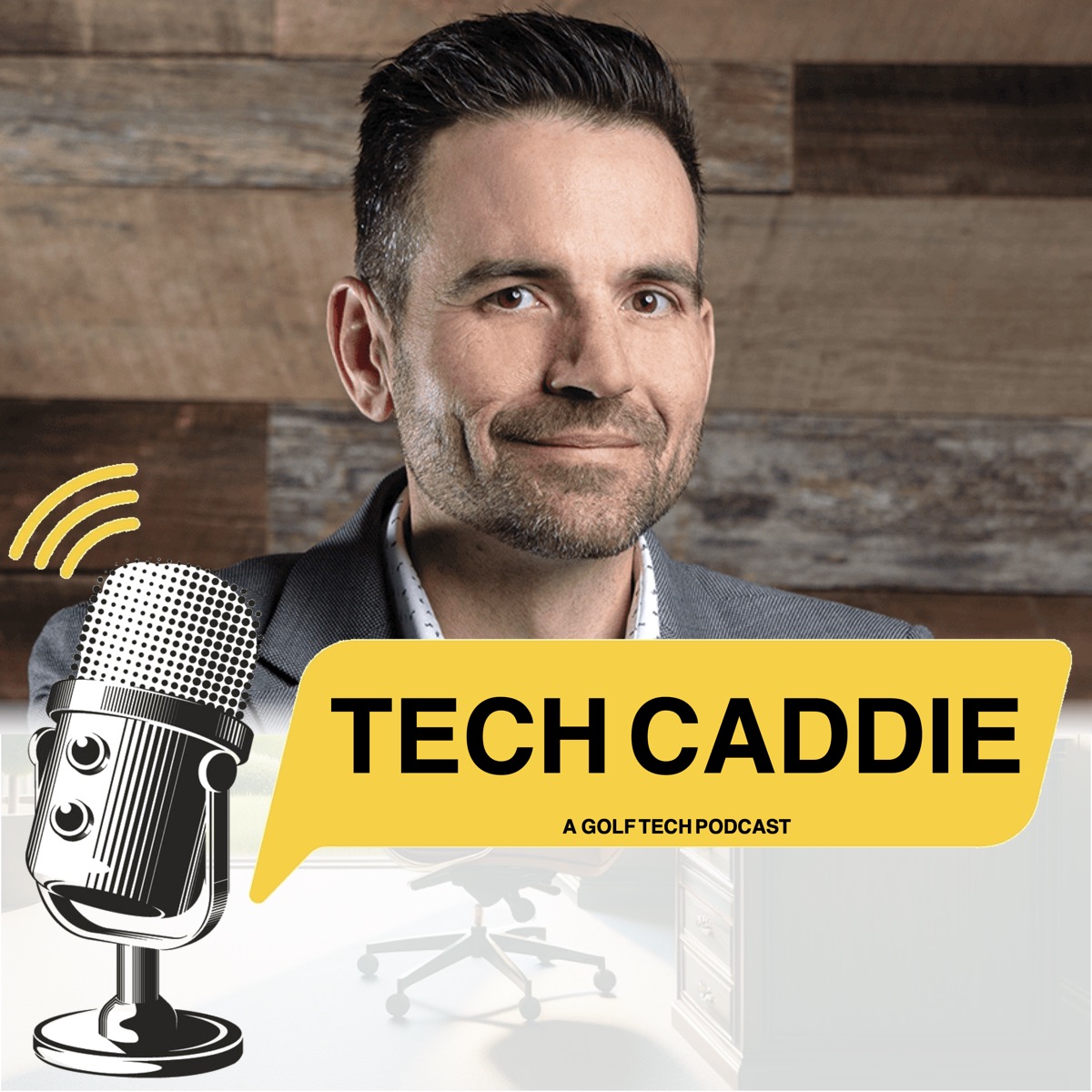
Metolius founder Ross Liggett — now VP of Data at Noteefy — joins Mike to unpack the acquisition, golfer data ownership, and where AI is taking tee time booking next.
Ross Liggett
51min

Golf District co-CEO Kevin Kalner breaks down the StubHub-style tee time resale platform disrupting golf booking — prepaid rounds, weather guarantees, and a new "unsolicited offer" tool that lets golfers bid on sold-out tee times.
Kevin Kalner
46min
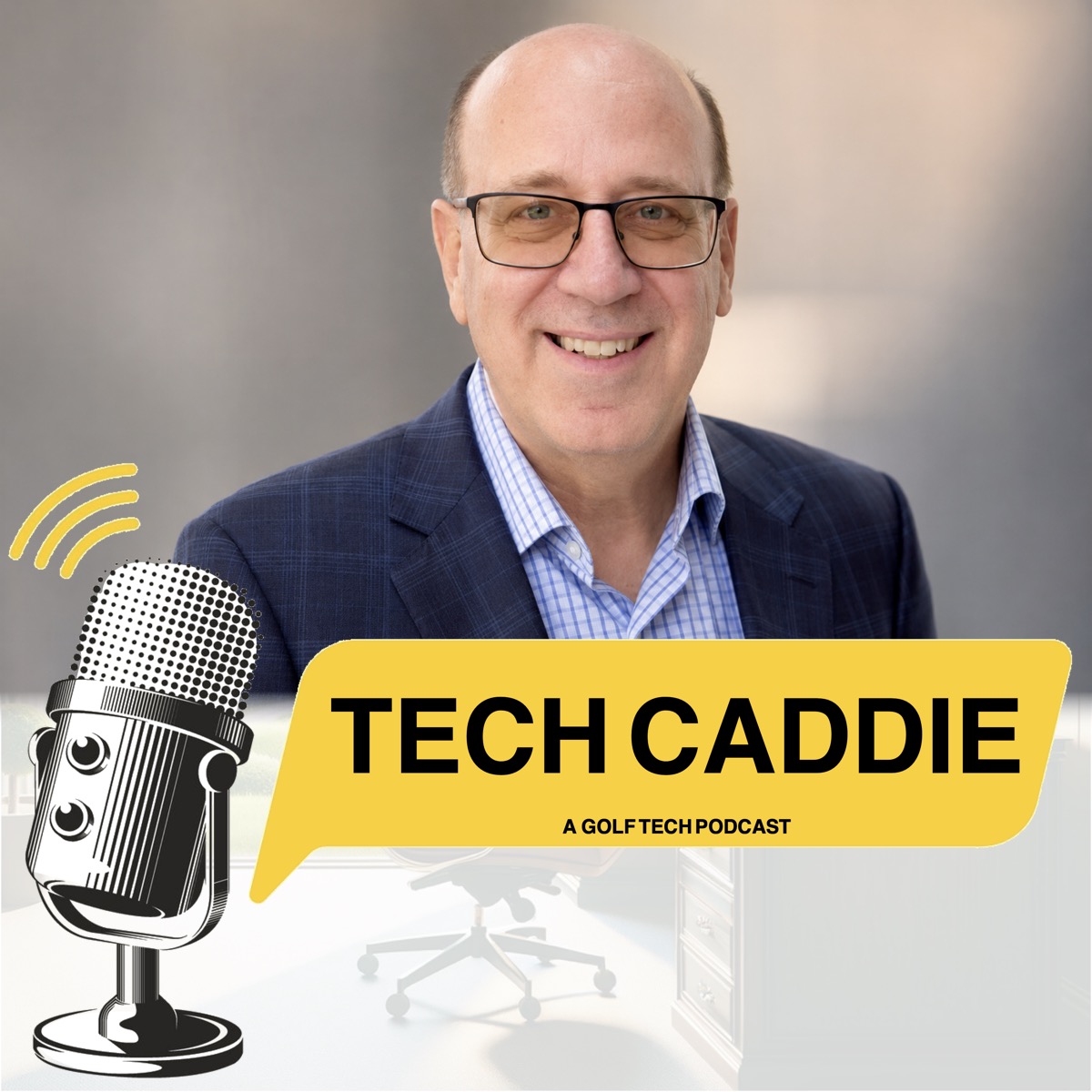
Jon Last joins Tech Caddie to unpack the NGCOA Business Pulse Report, the K‑shaped economy, and what current golf data says about pricing, technology, and golfer expectations.
Jon Last
53min
NGCOA CEO Jay Karen joins host Mike Hendrix to talk association challenges, membership growth, booking engine performance, dynamic pricing, and how AI can help golf course operators finally “measure what matters” in their tee time business.
Jay Karen
48min

Connor Van Gilder, whose background is in product design for complex enterprise solutions at companies like Zonos and Entrata, explains why he believes the digital tools surrounding golf—the tee sheet and point of sale (POS)—must be as thoughtfully designed as the golf course itself. Vn Gilder, founded Trutee Golf.
Connor Van Gilder
49min

In this episode of the Tech Caddie Podcast, Mike Hendrix welcomes Southern California Golf Hall of Famer John McNair, VP of Golf Operations for JC Resorts. With 26 years at the helm and a portfolio of 21 courses, John shares the "silver bullet" behind their 24,000-member affinity program and why controlling your own data is the ultimate competitive advantage.
John McNair
51min
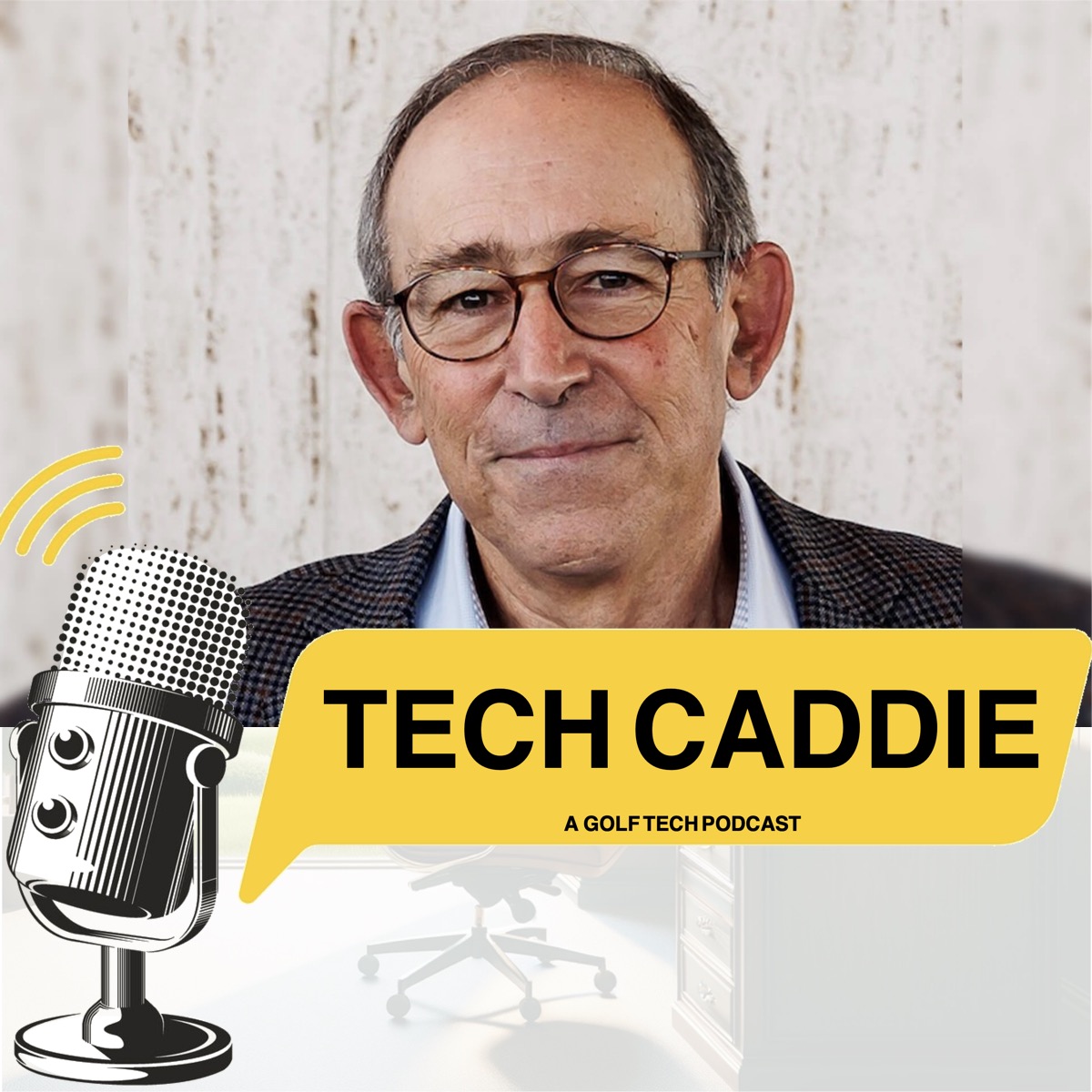
Tech Caddie sits down with Golf Genius founder Mike Zisman on building category-leading tournament tech—and what’s next: racquet sports and a possible liquidity recap.
Mike Zisman
1hr 2min
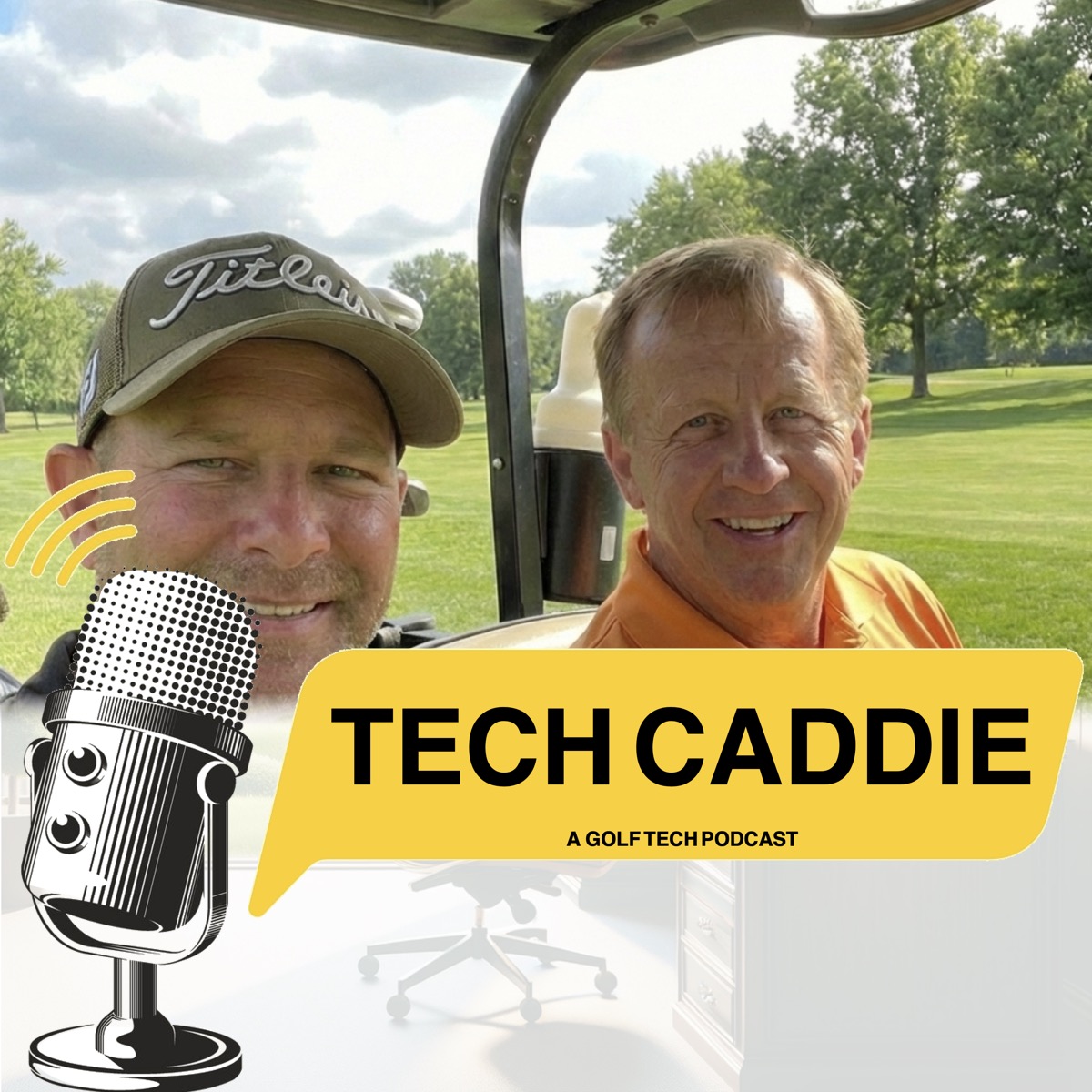
Primo Tee Times inside ChatGPT: live availability search, MCP explained, and what this means for golf course bookings.
Mike Dickoff & Jason Patronas
51min
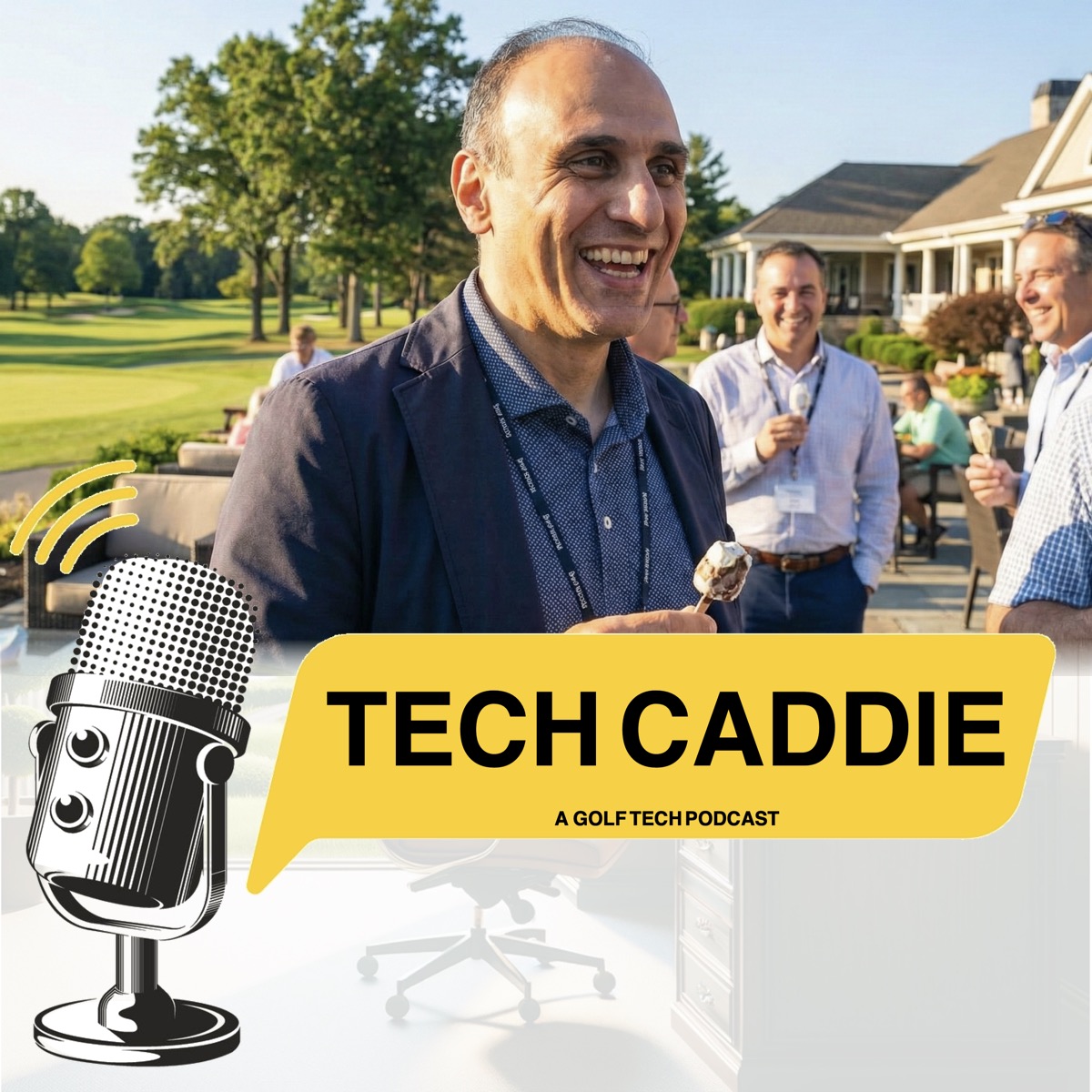
Vache Hagopian joins Tech Caddie to explain why Jonas Synergy was built, who it’s for, and how long-term service, integration, and strategy shape better club technology decisions.
Vache Hagopian
37min
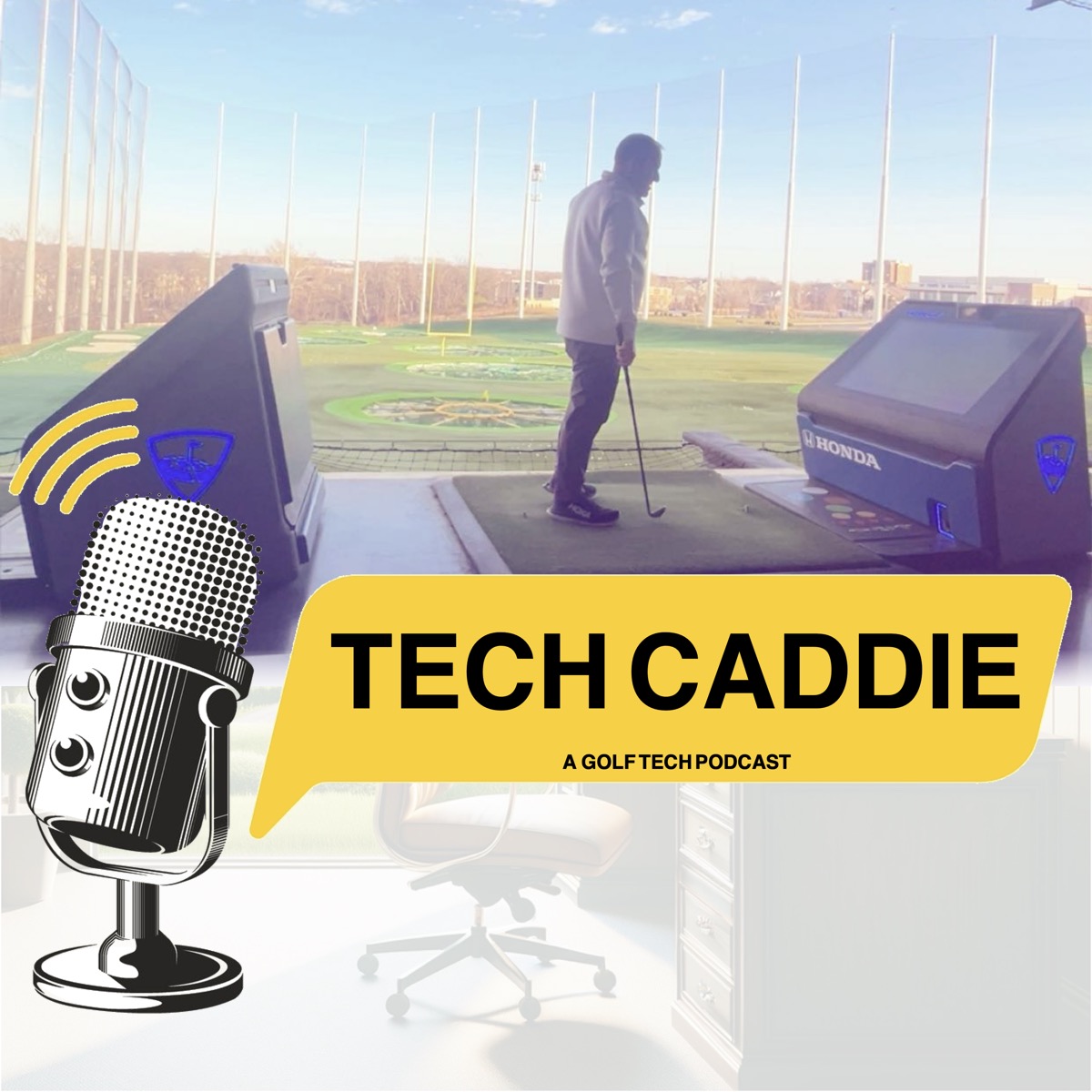
In this Tech Caddie episode, host Mike Hendrix (Founder & President of smbGOLF) sits down with Rusty Grimm, Founder of Rustic Golf Properties, to unpack one of the more practical—and fast-moving—growth stories in golf operations today: how Rusty went from buying one golf course to building a portfolio of six properties in Wisconsin.
Rusty Grimm
49min
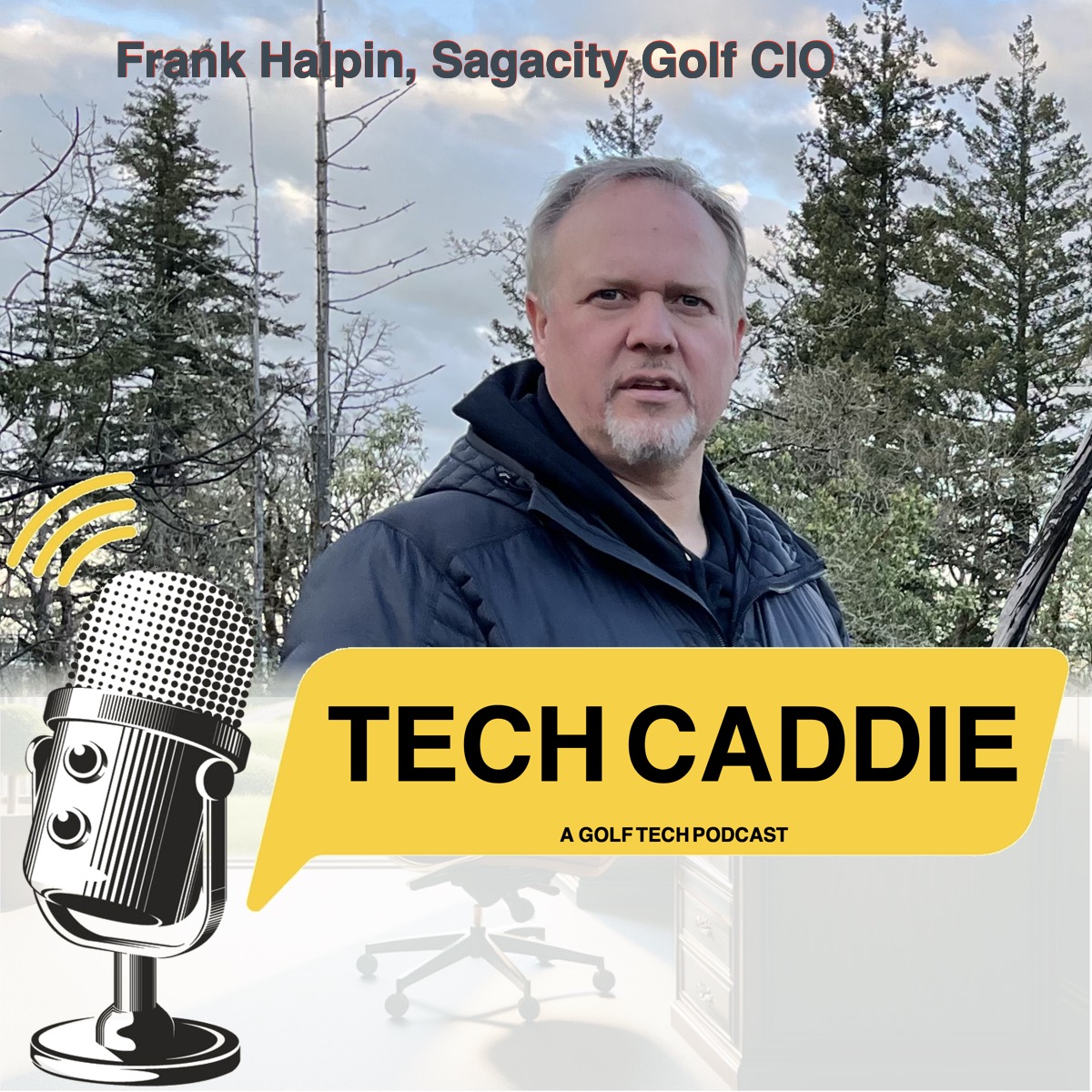
In this conversation, Frank Halpin, co-founder of GolfNow and CIO of Sagacity Golf, shares insights into his journey through the golf technology industry. He discusses the evolution of Golf Now, his transition into real estate, and the founding of Sagacity Golf, which focuses on integrating AI into golf operations. The conversation explores the future of AI in the golf industry, emphasizing the importance of technology in enhancing customer experiences and operational efficiency.
Frank Halpin
57min
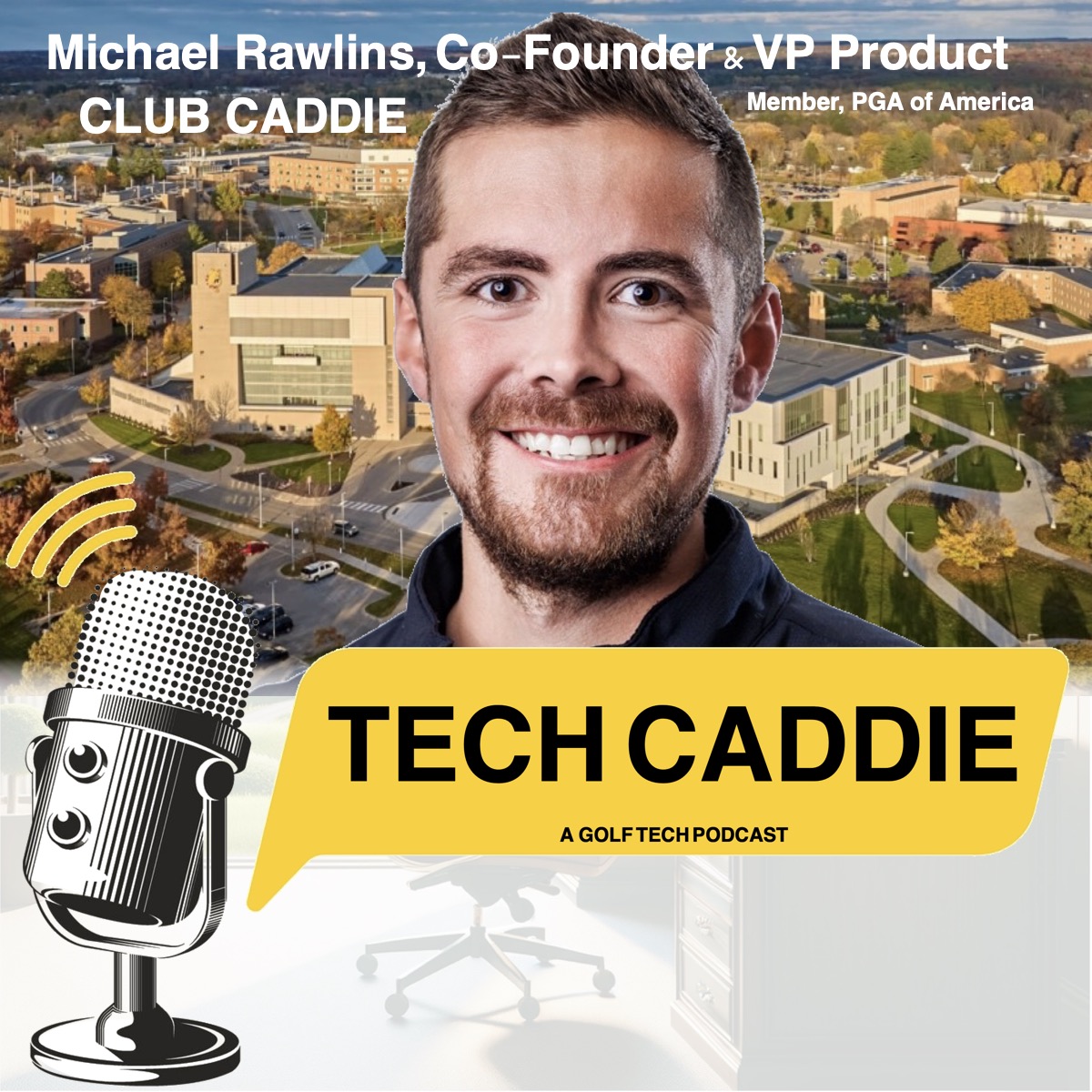
Michael Rawlins, Co-Founder and VP of Product at Club Caddie.Michael, a Class A PGA Member, shares the fascinating origin story of Club Caddie, from his early days as a PGM student at Ferris State to meeting CEO Jason Pearsall at Rackham Golf Course, leading to the co-founding of the company.
Michael Rawlins, PGA
49min
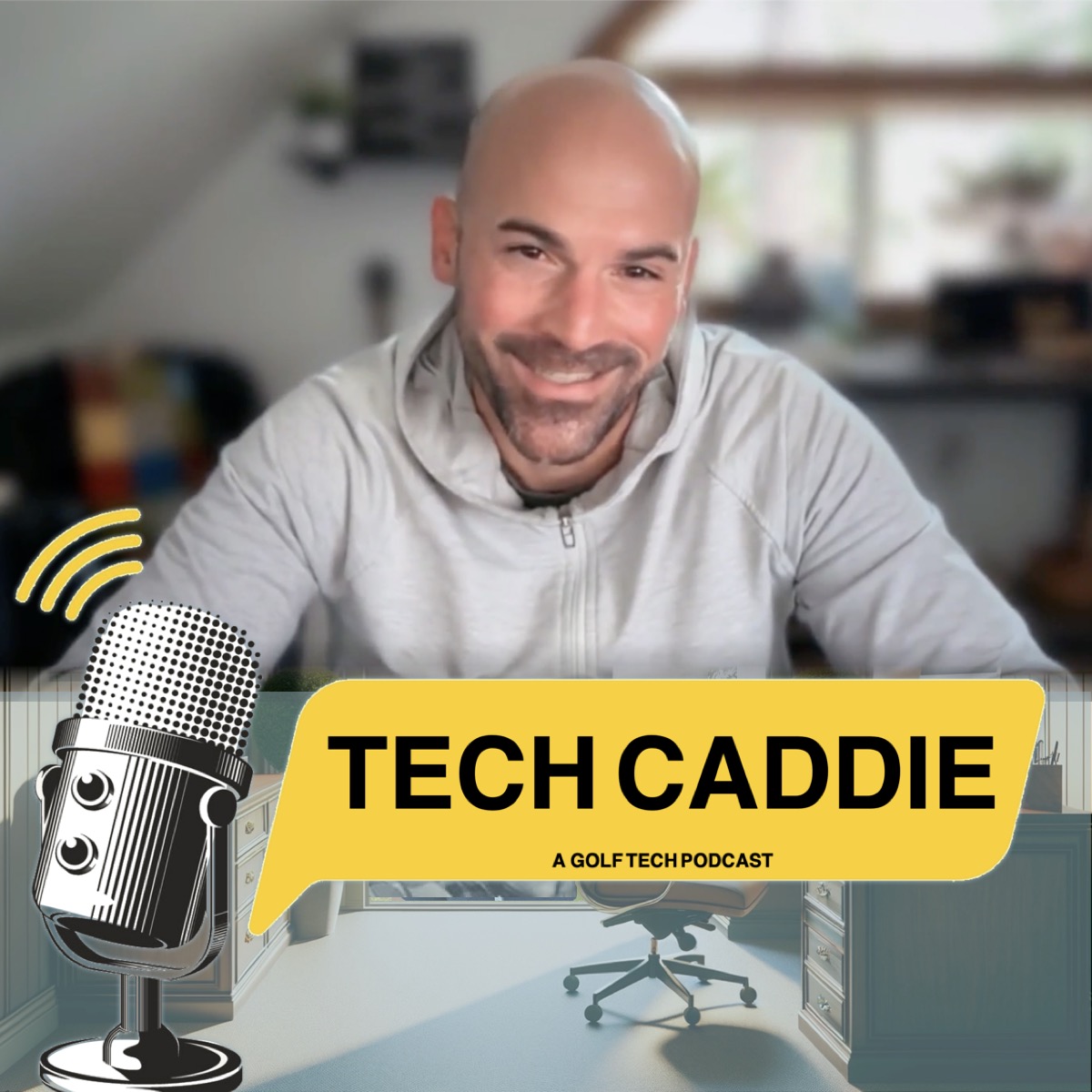
Mike Hendrix welcomes Bryan Lord, founder of Teesnap, one of the most disruptive forces in modern golf software. Bryan shares the full origin story: from the initial idea while at Purdue to securing major investment from Allegiant Airlines' Maury Gallagher.
Bryan Lord
57min

Mike Hendrix talks with David Clark, the founder of Easy Tee Golf. David shares how his product background at Capital One and Amazon shaped Easy Tee’s UX, why 50% of his customers are nine-hole courses, how Reserve with Google already drives ~13–14% of online bookings, why he shipped Waitlist before “squeeze times,” and what “default alive” meant for going all-in as a founder.
David Clark
52min
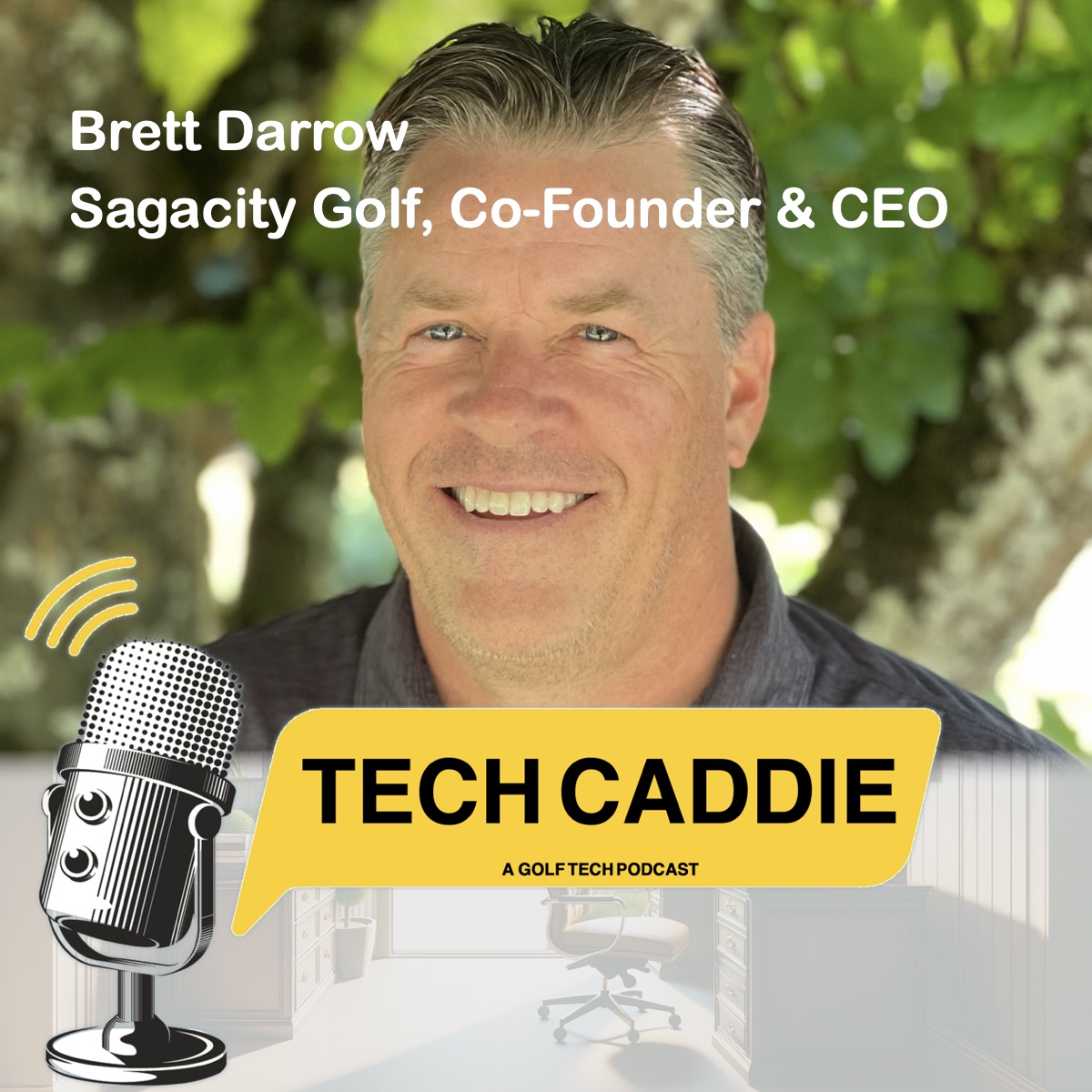
Mike Hendrix sits down with Brett Darrow, the visionary behind GolfNow and Sagacity Golf. Discover the untold stories of building and selling GolfNow, the challenges of innovation in golf tech, and the exciting future of Sagacity Golf's Yards app and advanced tee sheet solutions. A must-listen for golf entrepreneurs and industry enthusiasts.
Brett Darrow
60min

Can your golfers give feedback during the round? Real Time Feedback lets them text the shop in real time—no phone calls, no drama. Great for F&B, pace of play, and 5-star reviews. Hear how it works on the latest Tech Caddie podcast. 🎧 #golftech #golfbiz
Mike Terrell
45min

Zack Enriquez of Par 6 Media joins Tech Caddie to share how golf courses can show up in ChatGPT and Google Spotlight by improving their photos, metadata, reviews, and local listings to drive real bookings in the AI era.
Zack Enriquez
45min

Fraser Marriott, Head of Golf at Lightspeed Commerce, for a rare in-depth conversation about Lightspeed Golf’s growth, strategy, and vision. Fraser shares how a startup mindset still drives their team, why customer support is central to their success, and what’s coming next on their roadmap—including their Reserve with Google integration and plans to support both public and private clubs.
Fraser
46min

In this episode of the Tech Caddie podcast, Mike Hendrix is joined by golf industry veteran James Cronk—consultant, speaker, and co-founder of Golf Industry Guru. Together, they dive deep into one of the most overlooked areas of golf operations: e-waivers and risk management.
James Cronk
50min

Paul Sampliner shares his journey from growing up across the street from Highland Park Golf Course in Cleveland, to becoming a PGA golf professional, and eventually pioneering some of the earliest golf call centers and online tee time booking models while working for Marriott, Hilton, and later GolfNow.
Paul Sampliner
52min

2 Googlers join Mike for an honest conversation about when and why Google became interested in adding tee times to their results. They discussed the impact on golf courses not using an approved tee sheet, why some golf courses have more than one booking vendor available through search results and how long it takes for tee sheet and aggregator vendors to enable the Google integration.
Kathleen Oshima & Adam Jaffe
53min

In this episode of the Tech Caddie podcast, Mike Hendrix interviews Jake Gordon, co-founder and CEO of Noteefy, a company focused on demand technology for golf courses. They discuss the challenges faced by golf operators, particularly the issue of no-shows and cancellations, which lead to significant revenue loss.
Jake Gordon
55min

Nick Anderson joined the Tech Caddie podcast to share his impressions of the 2025 PGA Show and provide updates about his tee sheet and point of sale platform, MemberSports.
Nick Anderson
49min

In this episode of the Tech Caddie podcast, host Mike Hendrix chats with Martin Ort from Desert Canyon Golf Club about how his family-run course has embraced technology to stay ahead. From video game design to managing one of Arizona’s most tech-forward golf courses, Martin shares his unique journey.
Martin Ort
41min

In this episode of the Tech Caddie Podcast, host Mike Hendrix dives into the transformative power of golf course data with Bodo Sieber and Craig Kleu, Co-Founders of Tagmarshal. Learn how Tagmarshal is helping courses optimize pace of play, improve golfer experience, and boost revenue by capitalizing on dynamic pricing opportunities and expanded tee time inventory.
Bodo Sieber & Craig Kleu
42min

In this episode of the Tech Caddie podcast, Mike Hendrix interviews Jason Wilson, founder of Gallus, a company that provides mobile app solutions for the golf industry. They discuss the evolution of Gallus, the importance of mobile apps for golf course operators, and the essential features that make an app valuable.
Jason Wilson
53min

In this episode of the Tech Caddie podcast, Mike Hendrix interviews Chad Wright from Deer Ridge Golf Club about their recent technology transition from ForeUP to Sagacity and Toast. They discuss the challenges faced with ForeUP, the benefits of the new systems, and how they integrate operations for a better customer experience.
Chad Wright
50min

Watch as Mike and Chad explore the booking experience when using Lightspeed Golf in a desktop environment. Chad provides a pro tip in using Golf EMS to simply his events and golf packages operation and learn why Chad opted to leave foreUP and Sagacity Golf in favor of Lightspeed.
Chad Pettingill
40min

In this episode of the Tech Caddie podcast, Mike Hendrix interviews Jonathan Wride and Jarrette Schule from TenFore Golf. They discuss the origin story of TenFore, the challenges faced in developing golf management software, and the importance of user experience. Jonathan opens up about how he co-founded Supreme Golf with Ryan Ewers and the journey that led to Jonathan leaving Supreme Golf to help Jarrette build TenFore Golf.
Jonathan Wride
1hr 10min

In this episode you'll meet Jay Snider who built a simple tee sheet and email tool for his country club, to help keep dues down. Today, Proshop Tee Times has become a robust point-of-sale, tee sheet, member management solution for a wide variety of golf courses.
Jay Snider
52min

In this episode of the Tech Caddie podcast, Mike Hendrix interviews Rob Smyth from Cobalt Software, discussing his journey in the golf technology industry, the evolution of Smyth Systems, and the impact of family-owned businesses on company culture.
Robb Smyth
1hr 11min

CourseRev is a voice reservation system for golf courses that uses AI technology to handle tee time bookings over the phone. The system can integrate with tee sheet systems like Lightspeed and Club Prophet, allowing golfers to make reservations, join waitlists, and receive directions to the golf course. The system has surpassed online reservations in terms of volume and has handled more than 75-80 calls per day for a course. CourseRev is a game changer in terms of labor costs and customer experience.
Manna Justin
52min

Colin Read, co-founder of Whoosh, discusses his background in golf and entrepreneurship, as well as the challenges and opportunities in the golf tech industry. He emphasizes the importance of improving member and guest experiences, as well as staff workflows, through technology.
Colin Read
48min

Mike Hendrix interviews Scott Mingay from the USGA. They discuss the development of the GS3, a golf ball that measures green speed, smoothness, and firmness. The GS3 is used by golf course operators and superintendents to improve the playing experience and make data-driven decisions about maintenance practices. The conversation focused on the GS3 ball and the Deacon course management system. The Deacon platform is a cloud-based system that integrates data from various sources to help golf course superintendents make informed decisions.
Scott Mingay
58min

Menno Liebregts, founder of Golfspot, discusses the challenges of managing customer data in the golf industry and the need for an integrated solution. He shares insights on the company's journey, customer base, funding, and expansion plans. The conversation highlights the importance of open platforms and the impact of data on decision-making in the golf industry.
Menno Liebregts
37min

Jason Pearsall, the founder of Club Caddie, shares his journey of building the company and the importance of understanding the day-to-day operations of a golf course. Jason has the unique perspective as a golf course owner as he purchased Warren Valley Golf Course in 2022. Club Caddie started as a food and beverage delivery system called Golfler, but quickly evolved into a full clubhouse management software. Pearsall's experience as a golf course owner and operator have allowed him to build a product that solves real problems for golf course operators. The company has experienced significant growth and success, winning deals with management companies and continuously improving their product.
Jason Pearsall
1hr 11min

Kevin Fitzgerald, Assistant Director of Public Affairs for the Southern California Golf Association, provides an update on recent meetings regarding the implementation of a pilot program for golf tee time bookings in Los Angeles. The Golf Advisory Committee and the Recreation and Park Board of Commissioners both endorsed the staff recommendation for a $10 non-refundable deposit per player when booking a tee time.
Kevin Fitzgerald
34min

Jon Schultz, founder of ezLocator, discusses how their solution helps superintendents find the daily optimum hole location and enhances communication within a golf facility. ezLocator now include AI to improve the customer experience.
Jon Schultz
35min

In this episode of the Tech Caddie podcast, Mike Hendrix speaks with Kevin Fitzgerald, the Assistant Director of Public Affairs for the Southern California Golf Association, about the intersection of golf and public policy. Included is the TikTok video from Dave Fink which helped expose the gray market on the KaKao app, used by hundreds of golfers to score the best tee times available at the LA City municipal golf courses. Aaron Gleason from Golf Geek Software, discussed their solution called FairPlay Guardian, which uses machine learning to detect fraudulent activity in tee time bookings. Matt Holder from Loop Golf emphasized the need for operators to understand the pricing pressure and revenue management opportunities in the golf industry.
Kevin Fitzgerald, Aaron Gleason, Matt Holder
54min

Aaron Gleason discusses the issue of reselling tee times at LA City Golf courses and how Golf Geek's FairPlay Guardian technology can help detect and prevent fraudulent activity. He also spoke about the importance of knowing the conversion rate of a booking engine and how marketing automation can help increase revenue.
Aaron Gleason
29min

Mike Hendrix and Kevin Fitzgerald, the Assistant Director of Public Affairs for the Southern California Golf Association have a conversation about golf in Los Angeles. They discuss the role of the advisory board for Los Angeles City Golf Courses and the intersection of golf and public policy. They also peer into the issue of reservation systems and online brokers in the golf industry and specifically the City of Los Angeles.
Kevin Fitzgerald
43min

Matt Holder from Loop Golf joins the podcast to discuss Loop Golf. Matt talks about the early days for Loop and mistakes made along the way. Mike and Matt go into detail about tee time scraping and how Loop helps golf courses.
Matt Holder
29min

Don Rea joined Mike Hendrix on The Tech Caddie podcast for a conversation about the technology Don uses to run the golf course he owns in Mesa, AZ - Augusta Ranch Golf Club. Don is the VP of the PGA of America and he speaks about operating technology from that perspective and from his knowledge gained as a podcast host with Jay Karen, the Executive Director of the NGCOA.
Don Rea Jr.
48min

Del shares his background as an entrepreneur and his life in golf. He discusses the history of Seven Jars Distillery and the discovery of buried treasure on his family farm. Del talks about entering the golf business and the importance of technology in the industry. He shares his experiences with EZLinks and Fore Reservations, as well as the development of Kodology and Pitch CRM.
Del Ratcliffe
1hr 6min

Morgan Kimmins from Springfield Golf Resort in Chandler, Arizona discusses their use of Lightspeed technology and the impact it has had on their business. He highlights the benefits of Lightspeed's punch pass feature and the ease of use of their booking engine. He also discusses the importance of communication and the use of technology for frost delays. Morgan emphasizes the value of support and training provided by Lightspeed and the positive experience they have had with their customer service.
Mogan Kimmins
42min

Dave Vanslette, Founder and CEO from FAIRWAYiQ discusses the evolution of the company and its focus on data and automation in the golf industry. They have developed hardware sensors and software solutions to optimize golf course operations and enhance the player experience. They are focused on reducing friction and improving efficiency in the golf industry through AI and automation. The company has a strong customer support system and aims to provide value to golf courses of all types
Dave Vanslette
51min

Brendon Beebe, former CTO of foreUP, discusses his experience in the golf industry and building a successful company. He emphasizes the value of bootstrapping, hyper-focusing on specific market segments, and building a flexible system to meet the needs of different golf courses. At the end of the episode, Brendon asks Mike about how he would compete with GolfNow if he was to build a tee time aggregator and how he would use GolfNow if he was a golf course owner.
Brendon Beebe
51min

Allison George, a golf course owner and operator, discusses her experiences with various technology platforms in the golf industry. She shares personal updates, including her involvement in the golf industry and her use of technology in her golf courses.
Allison George
55min

Noteefy is a waitlist software that aims to help golfers play more golf and golf courses make more money. The product allows golfers to set their preferences for tee times and receive alerts when those tee times become available.
Dathan Wong
36min

Tyler Arnold, CEO of Eagle Club Systems, discusses the company's golf management software and its success in the industry. He highlights the flexibility and simplicity of their system, as well as their focus on customer support.
Tyler Arnold
35min
Mike Hendrix (00:00)
Hi everybody. My name is Mike Hendrix I'm the president of smbGOLF And today my guest is Jay Karen, CEO, National Golf Course Owners Association. And this is the Tech Caddie Podcast.
Jay, welcome to the podcast.
Jay Karen (00:27)
Well thanks, Mike. Appreciate coming on. you know, can't wait to talk shop with you.
Mike Hendrix (00:31)
I feel like this is long overdue. So I appreciate you making time. ⁓ and we're gonna try to be true to our roots and certainly talk about technology, but I don't wanna miss the opportunity to, you know, have a full discussion on what's going on in the industry and that kind of thing. So I really do appreciate you ⁓ making time for us.
Jay Karen (00:51)
Yeah, show you can throw fastballs, softballs, curveballs, whatever you got. Let's let's have a great chat.
Mike Hendrix (00:56)
Okay, good, good. So I'm in Upper Arlington ⁓ today. This is where I always well almost always record the podcast from. But today in Upper Arlington, ⁓ the US Senior Open is being played. We can walk to it from here. I live, I've probably given up too much information. I live on a road called Elmwood Avenue. And this is where Jack and Barbara bought their first house in Upper Arlington. Jack went to high school, like Jack Nicklaus. Jack Nicklaus went to high school where my boys went to high school and
I named my first son Jack. And so, as people can imagine, Nicklaus is a big deal around here. Nicklaus learned to play at Scioto Country Club. And the relevance there is in 1926, Bobby Jones won the US Open at Scioto Country Club. Nicklaus's father attended that US Open, and that's what brought the Nicklaus' Scioto Country Club, and ultimately Jack would start to play.
And the and the snowball kind of took off from there. So we're super excited to have Mike Whan in town this week and and and welcome these guys. And as you know, Jay, Scioto Country Club is a member of the National Golf Course Owners Association. They're a member of the Ohio Golf Course Owners Association. And so everyone around here is super excited for the event.
Jay Karen (02:08)
it there's some great golf in Ohio. I you know I've had I've had the good fortune of traveling there for work and for pleasure. And I tell you Midwest golf it can be can be really underrated. You know, in the when people think of great golf around the United States. I absolutely in Pennsylvania, Ohio, and some of these other states that the hidden gems, I know it's just a great place to grow grass. You know, I mean the turf yeah is so lush and everything's so green. I just love I love getting out there and seeing the great golf courses around Ohio. Yeah.
Mike Hendrix (02:33)
Yeah. Certainly the certainly that Long Island area where we just had the US Open is amazing. But then where we live here on this Route 70 corridor, so that's Oakmont, that's Scioto right? It goes all the way to to St. Louis. That whole corridor has amazing ⁓ golf. And of course in Ohio we've we're fortunate. We've got Firestone, we've got Inverness, we've got Coldstream. I mean it it the list goes on and off.
Jay Karen (02:57)
We're
like foodies that talk about restaurants, you know, geeks that can talk about like this about golf. We could talk forever about the great places that are around America.
Mike Hendrix (03:04)
That's right. You're you're absolutely right. So speaking of golf, and of course you're the CEO of of the association, ⁓ let's I always try to start with this with everybody, like w why golf? What brought what what why did your career ultimately happen in golf? What brought you to the sport? Well
Jay Karen (03:22)
Like most people, it's funny you say why golf. It's like I I see it almost like why associations. You know, it's it's like I I I happened into and fell into and tripped into a bit ⁓ both golf and associations here in one place. It was it was 1997 and I was getting my master's degree in history thinking I was gonna be a teacher. My my goal was to be a social studies teacher in high school. And I was here in Charleston. I needed a, you know, some extra cash while I'm living as a 23-year-old.
And a friend of mine's mother worked at this place called the National Golf Course Owners Association. I happen to have spent a lot of time in my college career and other things like being presidents of clubs, presidents of student government, all that, which are many associations, many, you know, mission-driven kinds of organizations. And in my first job out of college was at the national fraternity headquarters of Kappa Sigma. So my very first job in 96 was in the bowels of a national organization at HQ. And then here I come to Charleston in ninety seven.
didn't mean to, but stumbled into working at another headquarters office of a national organization. So I at least I had some familiarity in how these things work, a board of directors and a staff and members and all of these things. And and the rest is history, Mike. I I ⁓ I just hook, line, and sinker into both the association profession itself. I just became a real student of that pretty early on. That it was engulfed was a happy accident, as Bob Ross would say, right? It's like just
Pure luck. And I happen to have been playing golf since I was ten or eleven years old. So it's just a confluence of pretty wonderful circumstances.
Mike Hendrix (04:49)
That it's interesting. Talk some about, because I don't think you talk about this a lot in the gol in the golf world. Talk about the world of associations. does the internet and the ability to share information make it more difficult for associations to attract members? Like what is the state of associations as we sit in 2026?
Jay Karen (05:09)
that that's so such a great question because when you know, 30 years ago when the internet became a very commercial entity in our world and our lives, in the association ⁓ space, there was a lot of questions around are we going to survive the internet? Because if associations are well known for providing information, and now you can get information directly from all kinds of sources and may not even have to pay for it, it felt like a huge threat to associations. And so we had to, as a sector, kind of analyze well, what are our strengths here?
And the strengths are well, trust. So when associations publish things, there's a relative trust amount. So that's so associations are still looked to for information because of the trustworthy factorness. And then there's also advocacy. You can't do advocacy necessarily very well from the internet, right? And so so I think a lot of associations.
Mike Hendrix (05:52)
Advocacy
translates to like leaning on a congressperson. Is that essentially what
Jay Karen (05:59)
Government affairs, whether it's federal, state, or your local dog wall, you dog catcher or whatever. Yeah. But it in our case, as you know, it like it can also mean for trade associations, especially, if there are market forces that are happening that might really influence an entire industry, and it might have been the internet or artificial intelligence, or in many cases, like large online tee time companies, and how much space they were taking up in the industry and what what impact it was having on golf courses.
There was an advocacy bent to working with that sector on trying to achieve good health for the industry, right? So the association sector is is incredibly strong, alive and well, even though as a society we're consuming it differently and interfacing with it differently, no, no different than association members were in the beginning of the 20th century, right? I happen to right now, it's funny you meant asked that question. I'm sitting right now as as the
Current chair of an organization called the American Society of Association Executives. It's the Association for People Who Run Associations. Very large organization, 52,000 members across the United States. We represent the entire association sector. When you think about it, Mike, it's everything from the National Restaurant Association and the American Chemical Society to pharmaceuticals, healthcare, teachers, every trade and profession you can imagine has their association.
they all come together and learn how to be better association executives in this ASAE organization. And and and we study and we're always working on how can associations be more successful, keep their relevancy in American society, et cetera. So I I get to do the golf thing and I get to do the association thing too.
Mike Hendrix (07:34)
Okay, so before everyone tunes out, Netnet, the internet is not gonna kill associations and you all are are are thriving. I this this I do think this is interesting. a question, not to put you too much on the spot. In terms of golf, are you where you wanna be membership wise? Like are is the NGCOA where you want it to be? Should it be bigger? Is it I mean, look, what about this?
Is it right in line with other associations in terms of penetration? I I don't know any of those ⁓ answers. Like talk about that a little bit.
Jay Karen (08:07)
You know, they are
w the other associations that people know about, you know, they have individual members, the PGA of America, individual members, superintendents association, individual members, even Club Management Association of America, you join as an individual. There aren't really many other trade organizations in golf that have the organization join. NGF, I think you can join as a golf course, et cetera. But you know, we're s we're we're hovering right around forty two hundred golf courses nationwide right now. And when I when I took over in twenty fifteen, we had three thousand. So it you it's it's it's
Heartening to see three percent pretty good. Yeah, as the industry actually contracted from a supply side too, on top of that, right? So the point now, so I feel good about our progress and our success, but you know, if you're running an association, you always want more, right? You you you want to have more. But when you look at the marketplace, you've you got three three distinct sectors. You've got the municipal sector, you got private clubs, and then you have every other kind of golf course which is public but privately owned to some degree, whether it's the Pebble Beach Company.
Mike Hendrix (08:38)
Pretty.
Jay Karen (09:04)
Or it's Allison George and her family owning a you course in Iowa and everything in between. So that sector or the privately owned public course was kind of our nucleus and why we were born. The private club sector has Club Management Association and the National Club Association as the kind of first go-to, even though we have about 800 private clubs in NGCOA. The municipal sector has never had their own association to just take care of them. We've kind of adopted that sector into NGCOA. And the way we talk about it now, Mike, is
We don't care what type of owner you are. We you belong with us, whether you're the town that owns the golf course, whether you're the members that own the golf course, or you're Mike Hendrix who owns a golf course. We're about health for the facility, right? And so I would love to I think, you know, for us, I'd I'd feel good better if we were at six or seven thousand golf courses nationwide. We're and we're like a church. There you we we gotta get you to join every year. We gotta keep coming back, right? That's right.
So that that's the that's the nature of we don't have certifications.
Mike Hendrix (10:01)
How do
you index against the National Restaurant Association? Who who I was I used to be a member of the National Restaurant Association. How do you index that?
Jay Karen (10:08)
There.
You know, I don't know. Honestly. ⁓ you know, because ⁓ I I would I mean, I think in the trade association space, if you're hitting twenty-five to thirty percent of your entire possible market, you're pretty strong. You're pretty good. Yeah, but for trade organizations, yeah.
Mike Hendrix (10:22)
Yeah,
yeah. Okay. So let's so to me, one of the things that I like about the NGCOA as it sits today, and then even as I see it in in the future, right? I love this concept of of education. So it's interesting that you were in college to be an educator. You mentioned Allison. She was a teacher. me myself, I was ⁓ never got a teaching certificate, but I coached high school basketball. I was very drawn to the
The idea of coaching and teaching a skill to people, right? So I think associations like this are good places for teachers to be. And we're gonna have this webinar in a couple of weeks where we're going to try to teach anyone that comes to the webinar about some things. But before we get too deep into the webinar, talk about the education piece. I mean, I love advocacy, but it would seem to me like
The education is everything, right? If you can help people pick up some things and run their businesses better, that's what it's all about.
Jay Karen (11:19)
I you know, up until 2015, I'd say in and so if that was for a 35-year period of NGCOA's history, up until 2015 or so, education was our crown jewel. And if you can distill almost every activity we did down to education, even the networking, if you say come to a conference, yeah, you you get the education in the classroom, but you the the the people you meet and the you know the accelerate platform where we're crowdsourcing ideas, that it in the end is all about education, right? What am I learning from my peers?
What am I learning from the experts? We've delivered that in in one form or another through our entire history of the organization, right? And then and then this advocacy thing became the second crown jewel is really what happened at NGCOA. We built a shop around it and found there was incredible value to it. So so we really kind of run a two-headed organization that way because and it's and it's the beautiful thing about it is.
As much as the world changes, as much as the economy changes, as much as consumerism changes, we have to change too. So there's always something to educate around. It'll it's a perennial, it's a perennial thing that associations need to bring to the table to their members. And if you're not doing a good job, then members won't, if you're not providing valuable education, they won't join. And and tell you the truth, Mike, when I came back to golf in 2015, because I left NGCOA for many years, I came back in 2015, I I looked at what's the opportunity here.
As a CEO of this organization, what I saw was that there was an opportunity to use my role as CEO to educate, to be to be ⁓ provocative with thinking, to get people instead of just propaganda and say, like, hey, here's what the association's doing. Hope go to the conference. Yeah, we do that stuff. We but I was able to, I thought, because that's what I love is is I'm an educator. I love getting people thinking. So I've used my bully pulpit now for almost eleven years to do that. So I'm I'm kind of scratching the itch as a teacher sometimes as in my role as CEO.
Mike Hendrix (13:04)
Yeah, yeah, it makes sense. It makes sense. So the the webinar that I kind of alluded to a second ago, we're gonna it's it's on July 16th, 2 p.m. We it's free. We hope everybody signs up. And from what I hear, we've got good signups already. So that's great. But we're we're gonna talk about something that I think is all about education. We're gonna talk about that the operator probably doesn't know today that they have an opportunity to.
To drill into some data that that is being collected all the time. It's just a matter of whether you can get to the data or not. And in this case, it's specific to their online tee time booking engine, right? That you really should be able to know more about who visited the booking engine, not, you know, some people might think visits and they think, well, like website, right? Visit. Well, we're talking about the booking engine itself, right? Who came to the booking engine? Where did they click in the booking engine?
Did they ultimately buy a tee time or were they there simply for comparison shopping purposes? Right, there's lots of reasons people go there. and unfortunately, in the world of booking engines today, it's not as easy for everyone as it is for some. And so we're gonna have a couple of guests on that were where that have booking engines where we think they've made it really easy for the operator, but clearly.
This gets into like a friction point, and I think it's really interesting for someone in your seat. You want to have great relationships with everyone in golf, you want the technology companies to provide these amazing services and tech for your members, but at the same time, if you if we say like, but right now you're not doing that, like that can be uncomfortable, right? And I just thought it would be interesting to talk through that.
I'm happy to take on more of that than than others. And that's fine. That's kind of the seat I've found myself in because I still and I'm okay with it because I feel like I'm doing it for the good of the operator and I'm very aligned with the operator. But it's gotta be difficult at times, I would think. And I and it would be interesting to get inside your head and hear how you sort through some of that.
Jay Karen (15:06)
⁓
man, great question. ⁓ yeah, I mean that's the tightrope walk that we have as associations, right? You know, you when 80, 80% of NGCOA's funding, let's say, comes from the supplier community. 80%, right? And then the other the other 20% is divided between dues, dollars, and ⁓ registration income from the members themselves. And so, you know, you've got you want to pay respect, you wanna, you know, support the the those that support you.
But at the end of the day, you know, there are times sometimes when a sector, whether it's the tech sector or whatever, might be a little astray, might have done something that's offensive, that might not be pulling their weight in something, whatever that might be, that we think that they should, because the technology is the nervous system of every golf course, right? So it's it plays such an important role, which is interesting, Mike, because then it it's the because it's a central nervous system, it gets the most heat too. When we talk when there's any discussions around the supplier.
community and golf and golf course owners and operators, it goes right to the software companies. Yeah.
Mike Hendrix (16:04)
talking about flag stick companies right love that
Jay Karen (16:08)
Too
though, right, Mike? Love them too. No, but your point is it's a good one because ⁓ your your wallet is connected to it, your lifeblood, your customers are connected to it. So there's a heightened sensitivity around it and heightened expectations. Well, I'm giving you direct access to my bloodstream here. You know, I hope you're doing right by me. Credit card companies, same thing. You know, we've had when we see funny business going on with it with merchant processing, we gotta call it out. If especially well, in some cases it's so egregious that it's theft.
You know, we get involved. We we there's probably a scale of egregiousness if there are issues. And we, you know, and we don't we haven't we don't actually have one, but there's a there's a gut feel to it that wow, they're cheating our members or this is bad for our members. Okay, we have to do this. Then there is I wish the tech sector would do this. I wish let's move them. And that's where we do something like the Tee Time Summit where that we had last fall. We we'll bring together the sector with golf course owners and operators to try to collaborate and co-create.
Get the customer in the same room as the vendor in some ways and see what we can, what magic we can make from that. So there's a gonna be a different tactic for each one, but you know, we operate as though we're gonna be in business forever and we operate as though our partners are gonna be around forever. So we take the long view. So we'll be sensitive to relationships, but at the same time, at the end of the day, I've got a board of directors only of golf course owners and operators. So they're gonna hold me to account.
To are we doing the right things by our membership? So it's a bit of a dance, which hopefully you can get a a sense of r respect and understanding of what it is like for me to be able to manage these relationships and moving parts. But it it can be tricky, but at the end of the day, it's the owners and operators that that drive our agenda.
Mike Hendrix (17:46)
Yeah, yeah. That it is a look, it is tricky. And I love what you said about we take the approach that we're gonna be in business forever and they're gonna be in business for I think that that I think I can learn from that. I think that that's a smart thing. I'm gonna like tuck that in and be like, yep, a good one. So I appreciate you saying that. Yeah. so this webinar is called Measure What Matters. And I kind of alluded to it. It really is about it it
⁓ it really the the long tail of this thing is we my company started to produce the second our second version of where we rank booking engines, best booking engine in golf. And when we got into this second version of that report, I was disappointed because not much had happened from the first ranking. Right. It was like, geez, nobody's nobody's doing innovative things. Nobody's getting better here. And so I kind of changed course a little bit and I thought.
Well, what if we break down the booking engine by a few different things? And one of them would be, well, what is the reporting that comes along with a booking engine? How much, you know, measure what matters. If if you care about tee time sales, you should measure what's related to tee time sales. It it only it only makes sense. now that brings me to Jay Karen as an operator. Because Jay Karen, ⁓ as an operator, you participate, I think, in the Airbnb ecosystem.
I do. And and so you and you're a renter. I don't know what what's the terminology Airbnb uses?
Jay Karen (19:07)
A host. We're a host I'm a host.
Mike Hendrix (19:09)
Okay, so you're a host, meaning you really are similar, really similar to a golf course owner, where you are a B2B customer of Airbnb, and Airbnb tries to serve a B2C customer through what you provide, right? It's incredibly similar to what we see in the golf course space. Question to you would be: how are the tools that Airbnb supplies to you as a host?
Jay Karen (19:35)
Really good question. And and I I like to draw this back to the golf course too, because in my case, this is this is great example where I've just got one unit, right? And and I and it's important to me because it helps me save money for college for my kids. Like, you know, any of the proceeds go right into the 529 account, right? But the the scale of it, and it's more of a lifestyle hobby thing. I literally take care of it, I get some housekeeping help and all that kind of stuff, whatever. But it it's a light thing in my life, and so I'm only gonna look at
the most basic stats that they give me in the reporting, right? Which is my earnings and what the future is looking like for future booking. They do give me quite a little bit of a dashboard to to understand what's happening with my unit and give me great tools to, you know, try to ⁓ spotlight it in the Airbnb system or whatever it might be. Like it in its one platform. Now, if I and a lot of golf course owners, to your point, are like that, where they're like, I'm happy with my level of business.
Mike Hendrix (20:28)
You know
Jay Karen (20:30)
I the mortgage was paid off 30 years ago. so my level of care and need for data is gonna be different than someone's like, I gotta put food on the table tomorrow and pay the mortgage and I got it to the staff. I got I I need the data because I've got these goals with my business, or I've got 10 of these golf courses. my god, if I had 10 properties, I would be looking at very different reports and dashboarding in the Airbnb system than I do right now. Or or
Mike Hendrix (20:53)
Let me just let me add one little maybe asterisk onto that. Or in today's world in golf, or I'm an operator that has come to realize I can make way more than seven gross, way more than seven hundred and fifty thousand dollars, which I've been grossing for many, many years in a row. All of a sudden I find myself in an economy where I think I could gross one point five million if I if I lean into this a little bit more, right? I mean, right now is the time for so anyway, go on.
Jay Karen (21:19)
No, no, to your point, no, no, let's listen, analyze that for a second, because there's going to be an analysis that any business owner does when you say, look, I can lift you from 700,000 to 1.2 probably in a year. Their first thought is gonna be, well, what do I have to do to make that happen? Now, if if you're saying in the technology, there exists tools and reports or whatever that can help you make pretty easy decisions that can lift you without having to put a heck of a lot of time or a heck of a lot more money in it, then it's like now I'm listening kind of thing, right?
And what what I'm seeing, what I'm hearing, what we'll probably find out in this webinar and other great content is there are things that you're missing, you're not looking at that are right there to help you make, you know, yield more. And so let's let's learn about it. I I'm all for it.
Mike Hendrix (22:01)
Yeah. And and so to that point, because look, the booking engine is not a new invention, right? It's been around for for quite a while, tip of the cap to golf switch and others that built the very early, early Cypress, right? That built the very early versions of tee time booking engines. What has changed is AI. and what I mean by that is today, you know, an operator is pressed for time. I think everyone would agree with that if if if there's people
listening to this and they think that like owner operators just have enormous amounts of time with nothing to do on their they're crazy, right? Well the what I have been able to to see and and others, I'm the I'm not special, is that you can start to use AI to understand the data that's always been at your fingertips. And that's where it becomes really interesting. And so that's actually we're going to do another session ⁓ called the AI workshop ⁓ down in Atlanta at the end of August.
And I'm gonna be there, and Allison George will be there as well. And we're gonna teach people how to use, and this is for their own golf course, right? That they can build things just specifically for their golf course. We're gonna teach people how to use AI to go read the data associated to how their booking engine is performing, and then create a daily summary to help them, you know, maybe in their e in their inbox.
To help them understand how their business is actually performing. That's the difference with AI. AI becomes this thing that unlocks everything and makes it so much easier for me to consume the information, understand the information, et cetera, et cetera. So I hope people will not only come to the webinar, but then they'll come to the workshop down in Atlanta, which is then that is a that's not a virtual event. That's a face to face event.
Jay Karen (23:43)
In-person, which there's great value in there to be able to spend time with the faculty like you, you know, not just in the classroom there, but you know, whatever hours and minutes they can get out of you guys, I think is is going to be super valuable. You know, this is a little reminiscent of kind of the benchmarking efforts that we've been trying to make in the industry, right? Whether it's P&L benchmarking in the golf course or the public golf course side or rounds and revenue, we've we've never fully cracked the code on benchmarking. And I think one of the things that I've talked to, like
You know, ⁓ Jim Kopenhaver and Harvey Silverman about over the years is like, why have we not cracked the code? Why isn't every golf course operator like hotel operator say, I'm in? Right. And it's like most of the time I think it's because the data that they see is interesting, but not so much actionable. Where it's like, ⁓ okay, my A my ADR or my average daily rate or my average, my Rev par, whatever. Okay, here's where I am against the average set. Okay, thanks for sharing that. That's great.
But now what? You like what what am I supposed to do with that? And is it like we're we're in the hotel industry, GMs and others are make their compensation is based on some of the stuff as far as where they stack against their competition. That's not in the same in golf. Golf, golf course pros and GMs are not paid on how well they're performing against their set usually in their markets. It's just not a thing. So what I'm thinking about with the AI data and being able to harvest data and give you insights is what I'm what my radar is going to be up for is to look for what continues to be.
that's interesting. Versus now, what should I do about it? And what are you telling me I can do about it? Like, okay, our the data shows this. And by the way, we're think we think you should consider doing this, whether it's with your rate or with your marketing or with whatever, that AI can help identify the action items to be taken from the data. That's what's feels like it's been missing from this whole data thing in our industry.
Mike Hendrix (25:30)
And and I think that there are several to-dos that can come out of this, but but one actually this kind of actually gets back to the friction piece, but because we we don't talk about this as an industry, like we never talk about this. What if what if there just are some booking engines that operate better than others? Right now, we actually don't have the data to prove that out. Wouldn't you if you were the
Jay Karen and you've opted to use Airbnb as your like you know your tech and service provider. Wouldn't you want to know if like is the tech that Airbnb provides better than VRBO? Right. Like, like how you know, and so on one level, we just I think it's incumbent on us to help purchasers, operators that are buying tech, help them understand, you know, good, better, best, whatever that is. Then secondly.
We're gonna get into this this conversation about conversion rate, not how many golfers I had on my course on Saturday, but how many golfers considered being on my course on Saturday and how many did I convert in into into tee time sales. What like that is such a basic metric in e-commerce, and we don't talk about that at all.
Jay Karen (26:42)
Using the funnel metaphor, right? It's like we we try to get an idea of what comes to the funnel, but this funnel that we talk about is like it's opaque. You don't see what's inside of it. You just see what comes. So what you're talking about is like almost like a transparent funnel. What's happening in here? Where's the where's the leak over here? How do you plug that up? Or how are they interacting? Why are they bailing? And all of these things that happen inside the funnel is what we just don't see, right? And you're talking about like showing that, right? And learning about that.
Mike Hendrix (27:04)
Yeah.
That's
right. We came across a golf course about a week ago. ⁓ it's in California. You know, you tend to think of California's very forward thinking or whatever that is. There is no reason for this. They just don't have golf carts available when you sell an online tee time at the golf course. Well, and they did a year ago. And we start to look at the data and we're like, you know, when you changed that and you took the golf carts out of the buying equation, but the third party guys still had golf carts available on your tee times.
It made a material impact on what happened with your business. Well, you need to be able to see inside the booking engine to really identify those things. And so ⁓ look, and it's just one of a million things that we need to get better at. But it is concerning to me that we're not even having that conversation, right? We've we've we've gotten good at the conversation about dynamic pricing, we've gotten pretty good at a conversation about rate, but conversion, we don't talk about it at all. And I guarantee you.
I guarantee you actually I can say this because I did the research, Airbnb, they provide their hosts the opportunity to know what their conversion rate is, right? Like I know that there are larger organizations that do that today.
Jay Karen (28:13)
Yeah, you know in in that in that case, they're gonna want to because they want to show their worth. Not only not only we're your technology partner, but we're showing you that we help convert. Right. And so that that's there's value there. I think you know another maybe metaphor for this is the like thinking about healthcare for a moment. Like for for you know years, what what what did the doctor tell you? Okay, your blood pressure and your weight and your height, okay, you're doing all fun, you're doing fine. Then all of a sudden it's like, well.
Well, but what about body mass index? You know, and what about, you know, ⁓ your your blood count, you know, and what about your hormones? And what about so it's like we we've been fed and we've only concentrated on the the the smallest number of of measurements, and there's so much more out there to look at. And it's so it's like you're kind of like you know, a physician bringing, you know, ⁓ awareness to the fact that wait a second, have you looked at your gut?
And have you looked at what's inside your intestines and how that could be impacting your health? And so so we need to look at more information, more about our systems. It's no different than going to the doctor and and understanding much more about your body and how it works so that you know what do I need to fix? What do I need to work on?
Mike Hendrix (29:18)
Yeah. But and and then, but don't get when you hear that, like it feels like, just another thing to do. But the kicker here is that, but we can use AI so it's not overwhelming. Right. That that there are ways that we can apply some AI systems to this so that it's easy for you to consume the information. It's not gonna take an extra 90 minutes a day. Heck, it shouldn't even take an extra 10 minutes a day, quite honestly.
It should not eat into the day. It should just be we want to elevate this data point so that you can kind of chew on this a little bit.
Jay Karen (29:51)
Right. I'm gonna be curious to see where the AI and pricing goes on this because there's some controversy around this. I want to talk about this a little bit. Where we talk, you know, we've been doing dynamic pricing now in the industry. It's been growing, not everybody's doing it, but everybody who does it loves it and doesn't turn it off. They never go back, right? And they're like, I wish I did this years ago, because they're just yielding more out of the current demand. It's not changing demand necessarily, it's just you're you're able to use a a ⁓ a scalpel, you know, to get to get more out of the existing demand that you're getting. Okay.
Where we need to pay attention here as far as AI. And when it comes in and it says, I suggest maybe you change your pricing. I suggest, you know, you have a see a soft spot on the tee sheet here or whatever. There's there it may turn into suggestions here. And we got to be careful here, just as an industry, to watch out for what's behind that. Is it taking into consideration competitor information on pricing and suggesting maybe where you should be and where you're at or where you might need to be? And so the Supreme Court weighs in on this stuff.
You know, when it's when and there is some legality around this to make sure that the information going into pricing decisions is within the law and within, you know, so that we're avoiding antitrust and collusion issues and not active collusion, Mike. I'm not talking about getting in a room with your fellow owners and saying, What are you charging? What are you charging? But if the technology knows what everybody's charging, and if it's set to set me at the best possible pricing, the strongest possible pricing I can get.
Then there's something in the DNA of that of getting competitive information and in and urging you to move your price upward. It can also move in the other way too. It may may suggest maybe you should lower your price in this time. So just I think as an industry, we need to watch out for, make sure that while tech is helping us and making suggestions that we got to be mindful of what is in bounds.
Mike Hendrix (31:32)
Yeah. Let let me just speak to that. I'll d give you a little inside baseball on that. So I built the first dynamic pricing engine at GolfNow. And and what I mean by that is that it was automated, right? Because I was super worried that we had provided this amazing tool set to operators around the country, but they weren't using it to change their prices based on like what they were seeing with their tee sheet. And I got really worried that, like, man, this isn't like we're gonna we gotta figure out a way to automate this thing. And so
It was me, a ⁓ a great engineering leader, Brian Geiger, and and Charlie Klaus even even helped some on the on the barter side. But when we built this engine, Jay, it was a hundred percent at the discretion of the operator. So the oper we set we built it in a way that you could set rules for every hour of the day. And when I would go around the country, I would talk to the operator about you need to look at.
Every hour on your tee sheet like a separate business. And based on the utilization of that hour, and then in relation to expiration, you get to decide what happens to the price. Does it go down 10 points? Does it go up 12? But I have heard some people recently in the industry talking about, the operator didn't know what happened or whatever. I I would just tell you, like, if we can dial that down a little, because the whole stinking system we built.
was all based on what the operator wanted it to be. Right. And so, but then the benefit was, and I think the benefit still to this day is the automation. Right. The I mean, the you got this latest golf business pulse report that came out where operators love automation. They the automation is a big deal. I think automation is is wonderful. now I haven't been in that organization for a while. I don't know like what they're doing today, but I can tell you in the DNA of GolfNow
When we built dynamic pricing, it was at the it the the operator controlled what happened because they were the ones that set the rules.
Jay Karen (33:27)
Yeah, you know, bringing it back to the Airbnb thing, they've got what's called smart pricing. And now I only have one unit, so it's different. You know, and but I can set my absolute floor that the price never goes below X, and I can turn on smart pricing. So basically, and I can override it too. If I know some, you know, dynamic pricing, if I know a big concert's coming to Charleston, right backyard on Daniel Island, I'm gonna raise the rates, you know, kind of thing. But the smart pricing, I'll tell you the truth, I don't know what goes into it, but if I allow Airbnb to price.
When it's on smart pricing, yeah, they price it. I said the floor, they price it. And I have no clue actually what goes into their formula or algorithm to determine. And I'm sure it's looking at the market. You know, it's looking at whether it's traffic hitting Airbnb for the Charleston area. Wow, traffic is heavy. Let's bump it, whatever. I'm my hands are off. And as to your point, I like that. I'm there's there's I'm like I like it. Yeah, I don't necessarily want to see how they make the sausage, you know.
But I but at least I know my floor is X and owners can always set floors on any dynamic pricing, you know, module, right? For sure.
Mike Hendrix (34:27)
And and then the question would be do you want to get a text message every time Airbnb changes the price with two paragraphs about the details of why they did it? No, no. No, you don't. Exactly. Right, right, right, right. Yeah. All right. So anyway, for w like I I don't live in the dynamic pricing world today. smbGOLF we don't do any pricing for any golf courses or ever, but for what it's worth, because it's kind of how I made my bones in this industry, I love dynamic pricing.
Jay Karen (34:38)
Ain't got time for that, Mike.
Mike Hendrix (34:56)
Right, I'm a I'm a I'm a big guy.
Jay Karen (34:58)
Me too.
Mike Hendrix (34:59)
Tell let's talk about challenges. you're in Daniel Island. I don't know if geography matters or or not in in your role, but what what's hard about running the NGCOA? Like what is like, yeah, that one is difficult for us. What's difficult about managing the organization and and leading the organization?
Jay Karen (35:18)
the two things that two things come to mind. One is choosing what to work on. Our to do list and our wish list is always greater than our capacity. We are we we often get complimented, Mike, that wow, what a mighty like they do what for at what budget? We're four point five million dollar annual budget organization. We are a rounding error on, you know, ⁓ compared to some of our brethren organizations in the golf space. And our output Jay here, Jay.
Mike Hendrix (35:43)
It sounds to me like you just need to create another major championship in golf and you'll be Mikey.
Jay Karen (35:48)
It's been suggested many times over the years. Yeah. I'm like, nope, I ain't gonna do it. But ⁓ and so deciding what to work on because we have so many worthy ideas and projects that it and it sounds like a kind of a trite little problem, but it really is a problem when you're a small organization trying to make big things happen is what because we want to be open to every idea, every possibility, every possible relationship. And it gets very overwhelming. and so sticking to a priority list.
But while leaving room for new ideas and progress and innovation or whatever. That's one of the biggest challenges of operating an organization like this. This the second one I'd say is that growth question that you talked about. And it's an internal conversation we've had for a long time. We were founded in the 1970s as the Golf Course Association, GCA. And then in the early 90s, we changed our name to the National Golf Course Owners Association, primarily who was on our board of directors and really who we represented.
Mike Hendrix (36:41)
That's
Jay Karen (36:45)
That was our we carved out a space in the golf ecosystem. When you looked at all the other organizations, nobody was really representing the owner. And that's really kind of who we were. So it's our the name of the organization is our friend in so many different contexts. When I go to the Capitol Hill and I'm talking to a senator or a captain of an industry, and I say I'm with the golf course owners association, clicks. Wow, you represent a pretty important constituent in the golf industry. They own the golf courses. Wow. Okay, cool. From a membership recruitment standpoint,
If we're trying to recruit any and all golf courses to join the organization, if someone receiving our message is not the actual owner, or it's a municipal if someone running a municipal golf course and they're in the parks and rec division, they're Well, I'm not the owner, we're not an owner. So using the power of the name while we're trying to recruit any golf course to join the organization, because we're open to everybody, it tends to be a challenge breaking through to the person, especially if you're never going to reach the owner, or if there's no one who identifies as an owner.
at that facility. So that that is a kind of a perennial challenge that we deal with when when we're out in the field out there.
Mike Hendrix (37:42)
Yeah. I would think too, like to me, you guys did yeoman's work around COVID, right? And and and it brings two thoughts to mind. One, but COVID only happens once every hundred years, right? And so, you know, like thank God, you know, certainly thank God. but secondly, you did such great work in in that moment that operators that weren't members of your association also benefited. And I just if I was if I was Jay Karen,
I would just be trying to figure that out every single day. I know my team is providing value to thousands and thousands of golf courses that are not members. What can we do to, you know, kind of bridge that gap? That I'm just being honest with everybody. That would, that would drive me a little nuts.
Jay Karen (38:27)
Yeah, it it it it it's motivating too. But it's gotta be in small doses. I can't I you if if I thought about it all the time, I probably would go nuts. But you know, you look at the Ohio organization and and there's there's kind of a ⁓ it's an interesting conversation around this now you're getting into Association Geek Geek Geek Dum now, right? The Ohio Golf Course Owners Association for years had you know a few hundred members because they had a workers' compensation program.
That was what you know, we call in our space the golden handcuff. The golden handcuff benefit as an association oftentimes is certification, like the PGA of America. You wanna be a member of the PGA, you gotta maintain your class A status. You wanna be a golf course superintendent, gotta maintain that certification. When you're the owner's association or or a trade organization, we don't get into certifications usually because I own the business. I don't need to prove to someone my competency level as the owner of the business. I'm already at the top of my little pyramid.
And so we have to appeal to them with different reasons. And you want to chase that golden handcuff benefit because you think, wow, if I have this one savings program, if I have this one thing, it'll make them be a member forever. And so you're always chasing that. And 99 out of 100 associations, that is elusive. And when the Ohio group lost that workers' compensation program because the state changed some rules, you know, so that associations weren't the pathway to get the workers' comp program, they saw an enormous attrition, right?
Because of that. So there's a danger also in having a golden handcuff benefit. Cause what if the situation changes? And if that's the only reason they're joining, then do you really have a member? Do you really have someone if all they're joining for is is to get that one rebate or to get whatever it might be, right? So so we constantly that's the the other pro the other challenge, I say, is is having the right set of reasons to join. Because this person, it might be I got a fifty dollar per car rebate from Yamaha, but the other person's like, I like the work you did on Capitol Hill on daylight saving time.
Go for it, keep pressing that. For this one, it's I like the accelerate platform. I want to put my problem in front of hundreds of owners or thousands of owners to get a quick, quick answer to my problem. You just never know, Mike, right. And so we're always trying to put forth a menu of benefits that can appeal to anybody.
Mike Hendrix (40:29)
Yeah, yeah. It it's look, it's tough. I some people know. So I I now am helping the Pennsylvania Owners Association and the Ohio Owners Association. And I'm I'm actually trying to grow membership. That's part of what I'm trying to do is grow membership. And what nobody knows this yet, but we are working on some elevated digital branding for every single member. I I'll say it this way, it's like FOMO, right? What can I come up with?
Jay Karen (40:42)
It's happening.
Mike Hendrix (40:57)
Where every single owner in Ohio and Pennsylvania will say, Boy, that looks pretty sharp. I'd like to have that. You know, and then and then, but again, keeping it behind a membership wall and saying, Well, we want you to have it too. We just want your $400, you know, which which by the way, I think if people at IBM or something listen to this podcast, they're gonna What did Hendrix say? The membership is less than a thousand dollars a year. I mean, that drives you nuts, is like this we're
We're not asking for 15,000 a year here. You know, this is a pretty affordable membership considering the benefits.
Jay Karen (41:29)
Yeah. Thank you for saying that. but still it's you know, church is free and church churches have trouble, you know, getting folks to see the light and and understand why they should be in those pews and so forth, right? So no matter what the dues are.
Mike Hendrix (41:42)
Is gonna watch this episode for the first time ever because you've said church twice. This is amazing.
Jay Karen (41:47)
my gosh, I feel like a preacher.
Mike Hendrix (41:49)
Well listen, it is the Tech Caddie podcast. and when we have operators on, I make it a point to say, like, well, like, you know how golf week used to have like what's in the bag, right? What what irons is he playing, what drivers is he playing? I love to go through a review of like, well, what's your what tech? You what what are you guys using? It would be interesting to to hear from you what is the technology.
that a national association like an NGCO uses to run the association. What how how does that work?
Jay Karen (42:17)
Yeah, so you know, we we tried coining the the acronym GMS in the golf industry a few years ago, a golf management software, essentially, right? I I kind of stole that from the association world. We have AMS, Association Management Software. In our case, we use a platform called NIMBL. It's in and it's based in Salesforce. Is it the the the DNA of it is Salesforce? And so, ⁓ and it basically you bolt on association type.
features and modules. And then you have also we have access to the entire Salesforce ecosystem of plugins, whatever that might mean. And there are hundreds of software platforms and apps that plug into Salesforce. And we are actually plugging one in right now to help us with our sales essentially systems, you know, so that to your point, getting out there and getting more golf course owners to join, to have sophisticated sales tool like Salesforce underneath it is great.
There's also something called the Higher Logic platform. Higher Logic is what we plug into Nimble. Higher Logic is the accelerate community. When you log into NGCOA, you're actually now in the Higher Logic system. And that's where you see the accelerate, the library of stuff and all that. And we're about to launch, we've soft launched it, but we're about to launch Higher Logic's AI tool. And we're gonna we're gonna be calling it Rossi after our founder Don Rossi. So a member can go to Rossi and say,
I'm like, hey, I'm an 18-year-old course in New England. What should I be paying my superintendent? And it's gonna dig into the library and the body of knowledge in the NGCOA ecosystem, including our compensation reports, and pull out information for you, right? That's all based on the higher logic platform. In fact, when we went out to the market last year or two ago to search for a new AMS product, we said it had to have a plug-in with higher logic because that that's became so important. And so
Mike Hendrix (43:44)
Very cool.
Jay Karen (43:56)
Those are in and we use the typical stuff like QuickBooks online and some other things, but bill dot com, but but our nervous system is built around nimble and higher logic.
Mike Hendrix (44:04)
Nice, very nice. In in Ohio and Pennsylvania, ⁓ a little different. So we use HubSpot. And so HubSpot does all of our billing for us, all of our member management for us. And then what we've done is smbGOLF. We've built some custom plugins to make HubSpot and WordPress, because WordPress is our front-end website. So when people want to come to the Pennsylvania Golf Course Center Association, it's WordPress, but in the background.
We have some things running that we built custom. So when Ron Stepanic onboards a new member in Pennsylvania and he clicks active, then that member automatically appears over on the front end website. Right. And so ⁓ and for people that don't know, HubSpot and and Salesforce are you know super similar competitors, et cetera, et cetera.
Jay Karen (44:51)
The the utopia for us will be when affiliates like Ohio and Pennsylvania is sharing data. So when someone joins Pennsylvania, it's automatically connected to their national record as well. Because as you know, we have a dual membership.
Mike Hendrix (45:04)
Right. And and in and I will I will say this. you know, we've done work for Jonas, the you know, the Jonas technology company. They're a Salesforce company, and so we take advantage of what's called the HubSpot to Salesforce connector. So that connector does exist today. but and that's not something that we built. ⁓ but those so those connectors exist. So I think what you just said about Utopia is probably not too far down the road. So yeah, yeah.
Jay Karen (45:24)
Let's talk offline about this because
Do it. I love it. Yeah.
Mike Hendrix (45:31)
So ⁓ Jay, what are what are we doing for the Fourth of July? What's the Karen family gonna be up to? Does it include golf? Walk us through it.
Jay Karen (45:39)
So tomorrow, July third, the office is closed. So I am definitely gonna walk nine holes with my wife and my 17-year-old at the club. ⁓ we're members of the Daniel Island Club. Love that course. And then but on Saturday, when we celebrate America's 250th birthday, we installed a pool this past winter. So we are hosting a classic pool party. We're gonna be grilling dogs and hamburgers and just having a good old fashioned time at the Karen pool.
Mike Hendrix (46:02)
Very good. Very good. Very good. What about you? Well, obviously the US Open is a big deal for us. So we'll be at Scioto Country Club a lot. And then I'm fortunate, I mentioned this is where ⁓ Jack and Barbara started their family, but at the end of our road is where the Fourth of July parade for our entire town ends, every single year for a hundred years or something like that. And so I now have three boys that are all kind of in that just out of college or late college stage. And so
There's a lot of young people in our house.
Jay Karen (46:33)
Exciting.
That's the you'll stay young by being around that. Age you.
Mike Hendrix (46:35)
Yes, that's exactly
yeah that's right. That's right. Well listen, I I really do appreciate coming on the podcast. I think what you guys do is is super important. I I know I'm not the there's a bunch of people rooting for you and that you get to that 7,000 number or whatever that you know number is because it just it does feel to me like it's it's earned.
Not just deserved, but you guys have earned that. And I'd love to see another thousand courses come on board, another two thousand courses come on board. I think I think you guys have earned that.
Jay Karen (47:10)
Thanks, Mike. Appreciate that. And our team is is working hard on it and we we believe it too. And we'll get we will get there and and and appreciate all the help that you've done for NGCOA by being one of our faculty members doing the the webinar and the AI workshop in Atlanta, which is great. and what you're doing for our affiliates out there in in Ohio and Pennsylvania. So thanks for being part of the NGCOA family now.
Mike Hendrix (47:29)
Well, happy to do it. Happy to do it. Okay, that's Jay Karen, everybody, CEO of the National Golf Course Owners Association. And this was a Tech Caddie Podcast.
00:07
Lorem Ipsum is simply dummy text of the printing and typesetting industry. Lorem Ipsum has been the industry's standard dummy text ever since the 1500s, when an unknown printer took a galley of type and scrambled it to make a type specimen book. It has survived not only five centuries, but also the leap into electronic typesetting, remaining essentially unchanged. It was popularised in the 1960s with the release of Letraset sheets containing Lorem Ipsum passages, and more recently with desktop publishing software like Aldus PageMaker including versions of Lorem Ipsum.
00:43
Lorem Ipsum is simply dummy text of the printing and typesetting industry. Lorem Ipsum has been the industry's standard dummy text ever since the 1500s, when an unknown printer took a galley of type and scrambled it to make a type specimen book. It has survived not only five centuries, but also the leap into electronic typesetting, remaining essentially unchanged. It was popularised in the 1960s with the release of Letraset sheets containing Lorem Ipsum passages, and more recently with desktop publishing software like Aldus PageMaker including versions of Lorem Ipsum.
01:34
Lorem Ipsum is simply dummy text of the printing and typesetting industry. Lorem Ipsum has been the industry's standard dummy text ever since the 1500s, when an unknown printer took a galley of type and scrambled it to make a type specimen book. It has survived not only five centuries, but also the leap into electronic typesetting, remaining essentially unchanged. It was popularised in the 1960s with the release of Letraset sheets containing Lorem Ipsum passages, and more recently with desktop publishing software like Aldus PageMaker including versions of Lorem Ipsum.
01:50
Lorem Ipsum is simply dummy text of the printing and typesetting industry. Lorem Ipsum has been the industry's standard dummy text ever since the 1500s, when an unknown printer took a galley of type and scrambled it to make a type specimen book. It has survived not only five centuries, but also the leap into electronic typesetting, remaining essentially unchanged. It was popularised in the 1960s with the release of Letraset sheets containing Lorem Ipsum passages, and more recently with desktop publishing software like Aldus PageMaker including versions of Lorem Ipsum.


Be the first to receive golf course technology updates on articles, podcast episodes, product reviews, buying guides, new releases, and more!


